By Luyao Zhang (Assistant Professor of Economics) | Digital Technology and Society Cluster
Earlier this year, CSCC shared the journey of a Community-Based Learning initiative from my Duke Kunshan University classroom to the Third Cross-Strait Hong Kong and Macao Service-Learning Student Conference at The Hong Kong Polytechnic University. What began as an undergraduate capstone project grounded in Kunshan’s local cultural heritage has now developed into an international research contribution on culturally aware artificial intelligence in education.
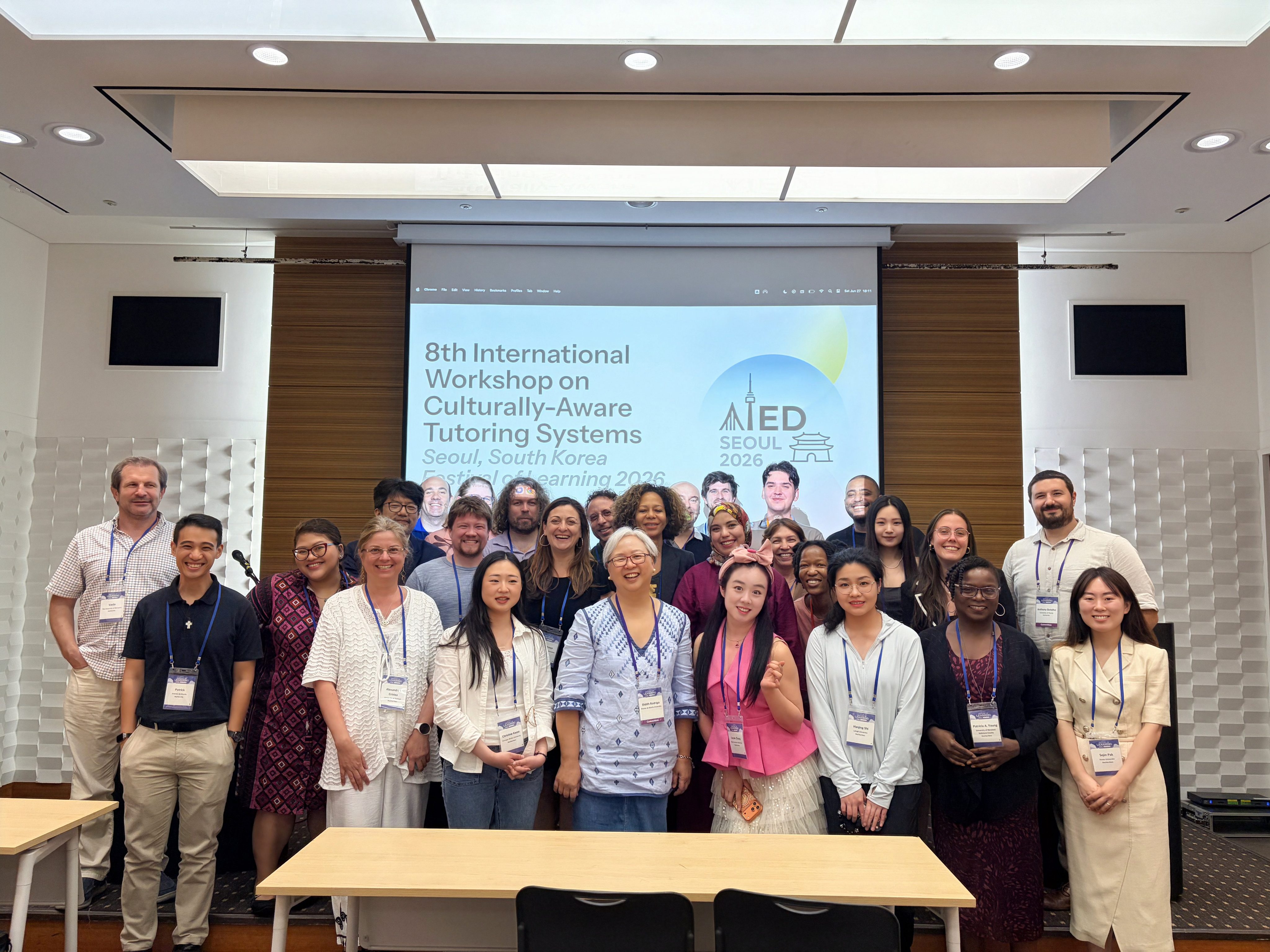
On June 27, 2026, I presented our paper, “Culturally-Aware AI for Cross-Boundary Community Learning: Undergraduate Innovation at the Intersection of Computation and Design,” at the 8th International Workshop on Culturally-Aware Tutoring Systems (CATS2026) in Seoul, South Korea, as part of Festival of Learning 2026, A joint conference of Learning @ Scale (L@S 2026), Artificial Intelligence in Education (AIED 2026), and Educational Data Mining (EDM 2026). The workshop brought together researchers interested in how culture, lived experience, and social context should inform the design of AI-mediated educational technologies.
The Student Capstone and the Pedagogical Innovation Behind It
The central technological artifact in the paper—the AI-enabled bilingual cultural map—was conceived and developed by undergraduate students Jiaojiao Zhao and Weisheng Zhang as their final capstone project in my course, INFOSCI 301: Data Visualization and Information Aesthetics.
My contribution as the instructor was pedagogical. I designed and implemented the Community-Based Learning innovation that created an incubation environment in which the students’ capstone could emerge, develop, receive feedback, and ultimately grow into a research contribution.
Rather than assigning a conventional classroom visualization exercise, I structured the seven-week course as a cross-boundary learning pathway connecting:
community field inquiry → cultural reflection → Sustainable Development Goal alignment → computational prototyping → AI-assisted iteration → stakeholder validation → open dissemination
Within this structure, the students retained agency as the designers and developers of their final capstone. They processed cultural and geospatial information, designed the bilingual interface, built the interactive map using tools including Python, Plotly, and Folium, and refined the project through iterative technical and visual development.
Jiawen Cai and Haibin Gao jointly contributed to the incubation process through the boundary-spanning events described in the paper, including field trips, collaborative discussions, and final symposium activities. Jiawen brought a university and Community-Based Learning perspective, while Haibin, from the Zhouzhuang Mystery of Life Museum, brought the perspective of a community cultural institution. Their complementary input expanded the learning environment beyond the instructor–student relationship and introduced different institutional, community, and cultural viewpoints at important stages of the students’ design process.
This division of roles is important. The students were the creators of the capstone; I designed the pedagogy that incubated their innovation; and Jiawen and Haibin helped widen the boundaries of the classroom through community engagement, field-based exchange, and participatory evaluation.
The resulting paper is therefore a scholarly deliverable of the broader CBL pedagogical innovation—not simply a report on a technological product. It examines how undergraduate innovation can be cultivated through relationships among students, instructors, university staff, community partners, and AI-assisted technologies.
Bringing Cultural Awareness into Computational Education
Artificial intelligence in education is developing rapidly, but technological advancement alone does not guarantee meaningful or responsible learning. Educational technologies are always situated within cultural contexts that influence how people communicate, interpret information, establish trust, and understand the purpose of learning.
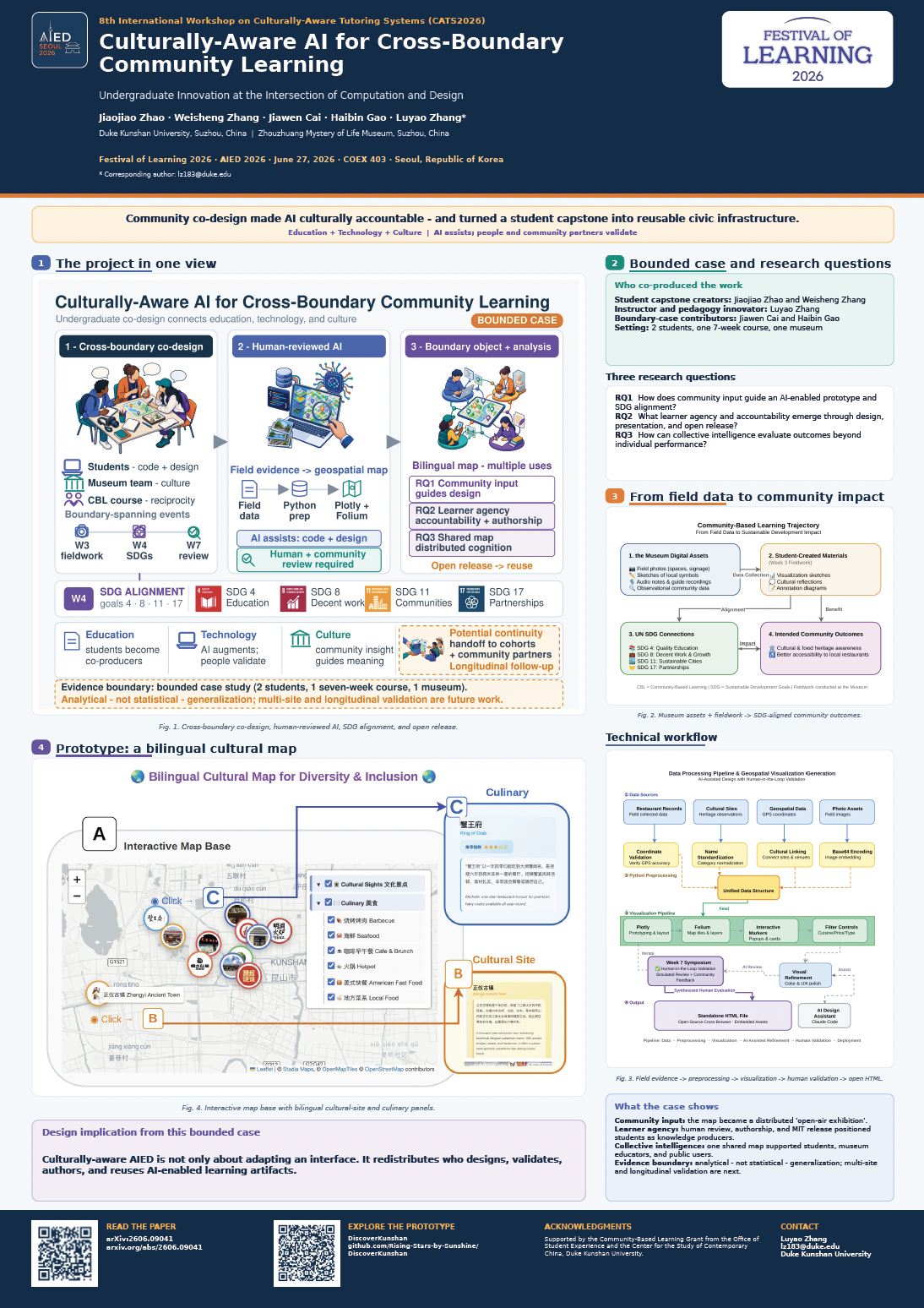
Our research contributes to this discussion by organizing culturally-aware AIED around three interconnected dimensions:
- Education: students move beyond receiving knowledge and become designers, co-producers, and scholarly contributors;
- Technology: AI assists coding, debugging, data processing, interface refinement, and documentation, while people remain responsible for interpretation and validation;
- Culture: community knowledge informs what is designed, how information is represented, and whether an innovation is meaningful in its local context.
In the students’ capstone, AI functioned as a design and development assistant rather than an autonomous cultural authority. All AI-assisted outputs remained subject to human review, and community perspectives helped determine how local heritage should be communicated.
This is the distinctive two-way contribution of our CBL innovation.
First, it brings cultural awareness, community accountability, and participatory learning into computational education. Students do not begin only with an algorithm or a dataset. They begin by entering a community, listening to stakeholders, and understanding the cultural context in which a technological artifact will operate.
Second, it brings frontier digital technologies into the service of local Kunshan heritage. AI-assisted development, geospatial visualization, bilingual interaction design, and open-source software become tools for extending community knowledge and cultural storytelling beyond the physical boundaries of a museum or the temporal boundaries of a semester.
The project therefore demonstrates that computation and culture need not occupy separate educational domains. Community-Based Learning can connect them: local cultural knowledge gives technological education greater human meaning, while digital innovation provides new possibilities for preserving, communicating, and reusing community knowledge.
Learning from the Festival of Learning Community
The Festival of Learning 2026 offered a setting for our presentation. I thank keynote speakers Sooinn Lee, Ashok Goel, Bongshin Lee, and Vincent Aleven, and CATS2026 organizers Ivon Arroyo, Emmanuel G. Blanchard, Christine Kwon, and Maria Mercedes T. Rodrigo, for advancing a culturally grounded vision of educational AI.
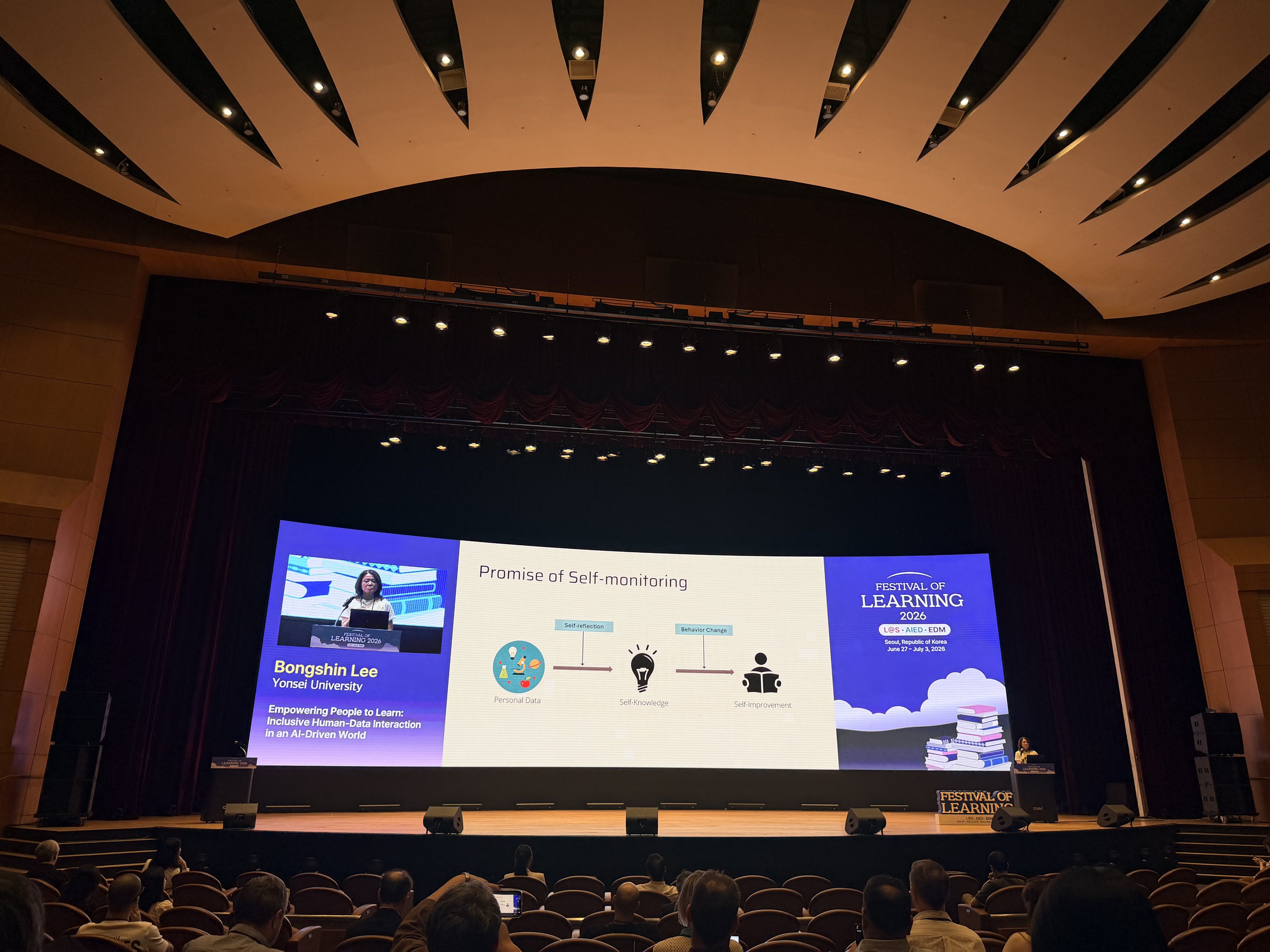
I am especially grateful to Emmanuel G. Blanchard for sharing his papers on culturally-aware tutoring systems. I was pleasantly surprised to recognize a connection with my earlier paper, “Individualism Versus Collectivism and the Early-Stage Transmission of COVID-19”, which engaged the Hofstede individualism–collectivism cultural index framework. This continuity shows how cultural research can connect economics, public health, computing, and education.
I also thank student co-authors Jiaojiao Zhao and Weisheng Zhang, whose capstone became an open-source contribution and international paper. Both are now pursuing graduate study at Georgia Tech, where Ashok Goel is Professor of Human-Centered Computing.
As Confucius observed, “德不孤,必有邻”—“Virtue is never solitary; it always has neighbors.” This gathering helped us find such neighbors across disciplines, institutions, and cultures.
Experiencing Culture, Not Only Researching It
My experience in Seoul also reinforced a central principle of culturally aware education: culture cannot be understood entirely through academic concepts, datasets, or interface features. It must also be encountered through participation.
During the visit, I completed an immersive Arirang Gayageum Performance Class at the Beautiful Gayageum Academy in Seoul. The experience involved learning and performing Arirang, a traditional Korean melody, on the gayageum. The accompanying Beautiful Gayageum Arirang Performance Certificate records the completion of the class on July 2, 2026.
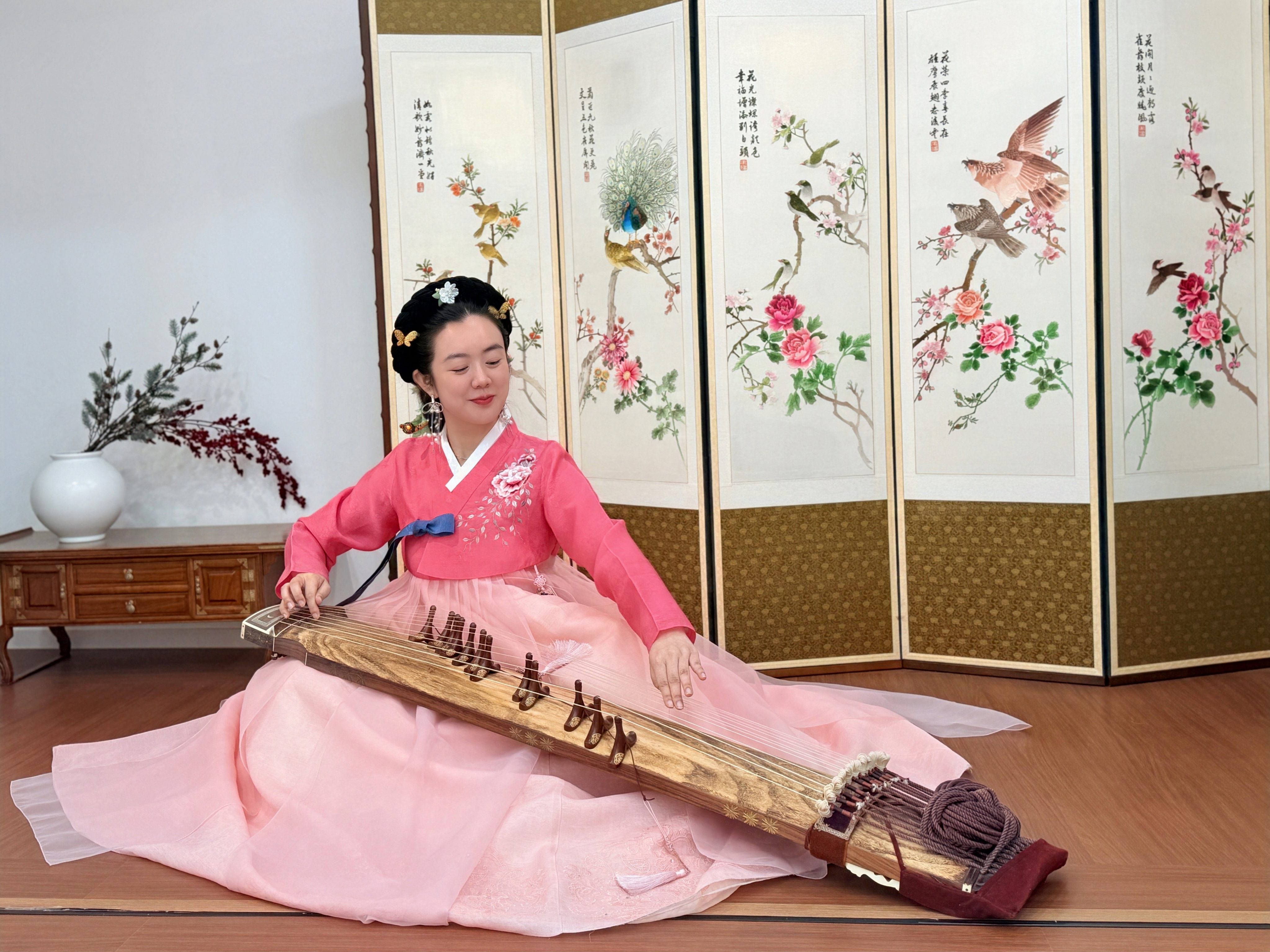
The experience offered a different form of learning from that of an international academic workshop. Instead of discussing cultural awareness as a design principle, I encountered it through sound, movement, performance, material tradition, and instruction.
This resonated strongly with our Community-Based Learning approach. The students could not have designed a culturally meaningful Kunshan map only by remaining in the classroom. Field visits and engagement with community partners allowed them to encounter local heritage as lived experience. In the same way, learning the gayageum reminded me that culturally aware technology must begin with humility: one first enters another cultural space as a learner.
Culture is therefore not an additional variable to be inserted after a technical system has already been designed. It is part of the environment from which meaningful questions, relationships, and designs emerge.
Rooted Globalism in Practice
Another meaningful part of the Seoul experience was meeting new friends and colleagues from different cultural backgrounds. Visiting a historic Korean palace together, wearing traditional Korean clothing, and sharing the experience across languages and nationalities made the idea of global education tangible.
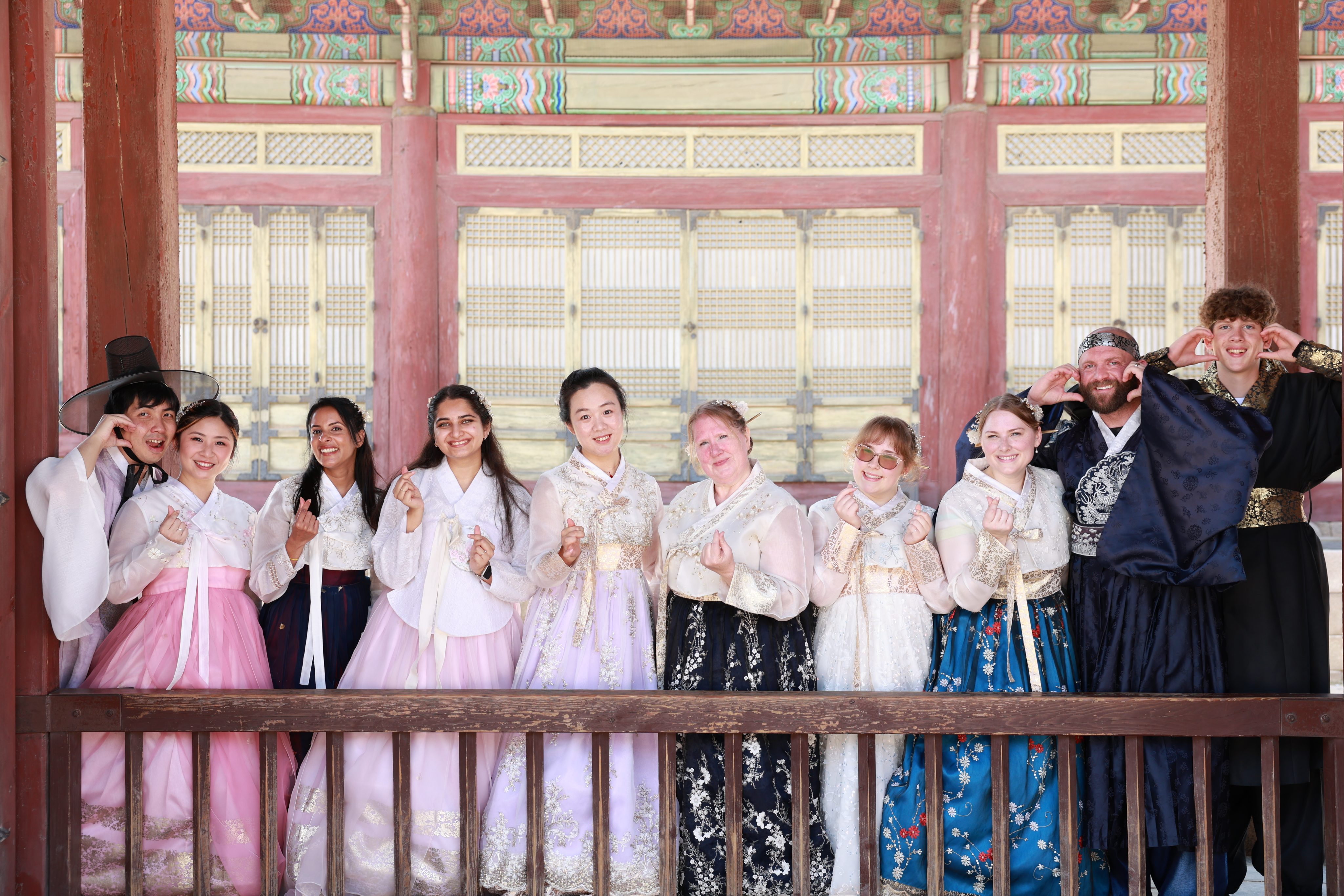
This experience embodies Rooted Globalism, one of DKU’s Animating Principles. DKU defines Rooted Globalism as cultivating informed and engaged citizens who understand one another’s histories and traditions of thought while learning to navigate local, national, and global identities and commitments.
For me, being rooted and being global are not opposing conditions. Our roots give us a place from which to encounter the world. Global encounters, in turn, enable us to return to our own communities with new questions, relationships, and possibilities.
As a U.S.–China joint-venture university, DKU is especially well positioned to bring Eastern and Western intellectual traditions into meaningful dialogue. Two philosophical reflections capture the educational ethos of this journey.
Confucius observed:
“君子和而不同,小人同而不和。”
The exemplary person seeks harmony without requiring sameness. Cultural differences need not be erased before people can learn, collaborate, or build communities together. Genuine harmony can emerge through respectful difference.
John Dewey similarly wrote:
“I believe that education, therefore, is a process of living and not a preparation for future living.”
Education, from this perspective, is not confined to preparation for a later stage of life. It takes place through present participation in communities, relationships, institutions, and shared problems.
Together, these Eastern and Western perspectives illuminate both CBL and Rooted Globalism. The Confucian emphasis on harmony without uniformity provides a philosophical foundation for intercultural collaboration. Dewey’s emphasis on education as lived experience explains why students must participate in communities rather than study them only from a distance.
For a U.S.–China joint-venture university, these traditions should not remain decorative references. They can inform the design of educational environments in which local knowledge, global dialogue, technical innovation, and community participation become mutually reinforcing.
From Kunshan to Seoul—and Back to Kunshan
I understand this journey not as a one-way movement from the local to the global, but as a continuing cycle of learning, exchange, and return.
It began in Kunshan, where Jiaojiao Zhao and Weisheng Zhang entered a Community-Based Learning environment and developed the AI-enabled bilingual cultural map as their final capstone project. The project grew from field inquiry, engagement with the Zhouzhuang Mystery of Life Museum, and reflection on how digital technologies could help communicate local cultural heritage.
It expanded through cross-boundary incubation, as field trips, community conversations, collaborative alignment activities, and the final symposium brought educational, institutional, and community perspectives into the students’ design process.
It became scholarly, as the student capstone and the pedagogy surrounding it developed into a research paper co-authored by the students, university staff, a community partner, and the instructor.
It became global, as I presented the work to the international AIED community at the 8th International Workshop on Culturally-Aware Tutoring Systems in Seoul.
It also became personally experiential, as learning the gayageum, encountering Korean heritage, and building friendships with people from different cultural backgrounds deepened my own understanding of what culturally aware education requires.
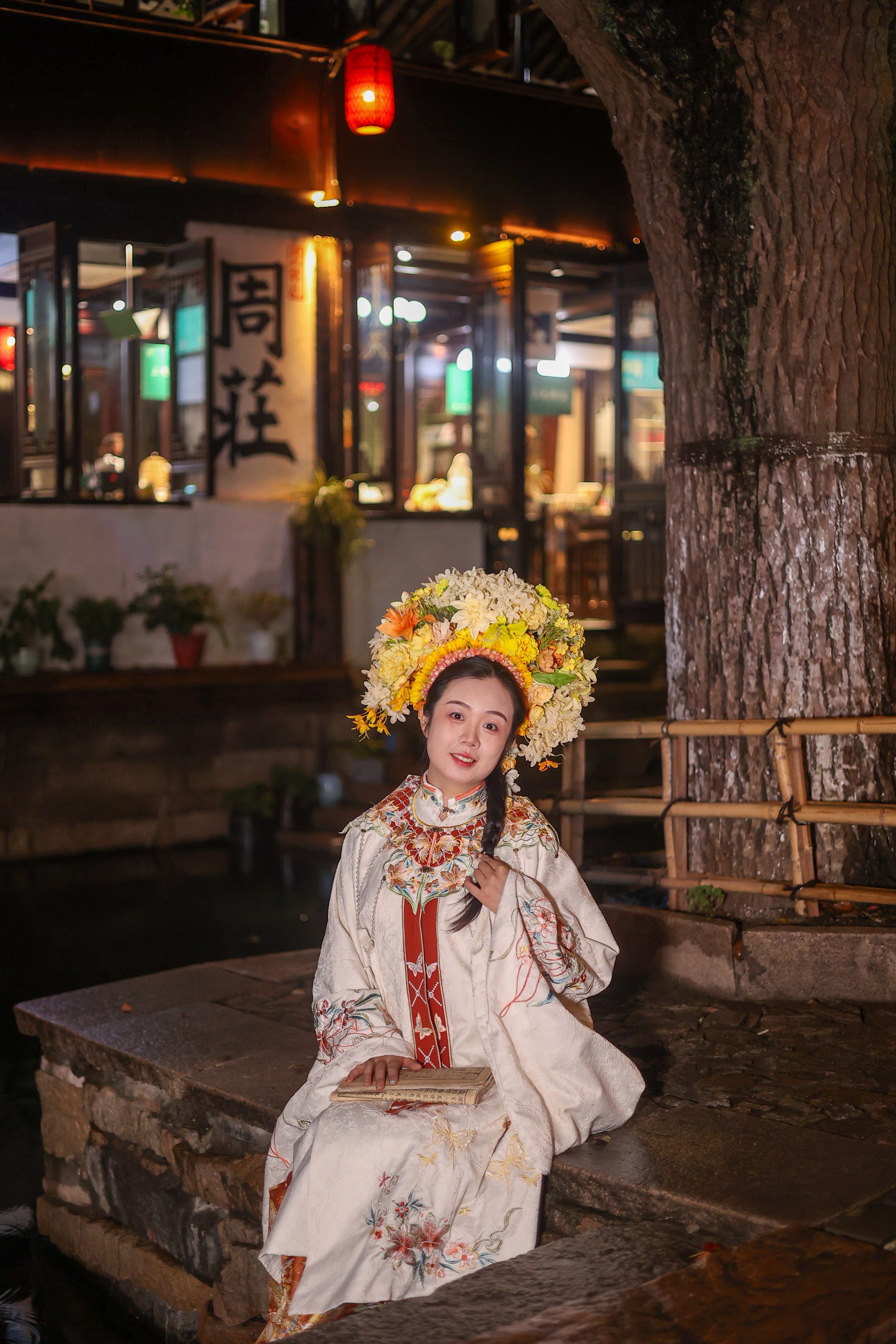
The cycle now returns to Kunshan. The perspectives gained through CATS2026 and through cultural immersion in Seoul can inform future iterations of Community-Based Learning, new student capstone projects, and further collaborations with local cultural institutions.
The contrast—and continuity—between the photographs from Seoul and Zhouzhuang is meaningful. In Seoul, cultural awareness was experienced through another society’s music, clothing, architecture, and shared traditions. In Zhouzhuang, the same commitment becomes rooted in the cultural landscape closest to DKU: the waterways, architecture, community institutions, and living heritage of Kunshan.
This local–global–local movement captures the promise of DKU’s Rooted Globalism. Global engagement does not require us to move away from the communities around us. At its best, it enables us to return with broader knowledge, stronger relationships, and more advanced intellectual and technological tools through which to understand and serve them.
Our contribution is not only an AI-enabled map or an academic paper. It is a model of pedagogical innovation that connects several forms of boundary crossing:
- from the classroom to the community;
- from computation to culture;
- from technical development to human responsibility;
- from student coursework to scholarly knowledge production;
- and from local heritage to global dialogue—and back again.
From a student capstone grounded in Zhouzhuang to an international workshop in Seoul—and then back to the waterways and cultural heritage of Kunshan—this journey demonstrates that meaningful educational innovation can be simultaneously technological and cultural, local and global, rooted and open, contributing to sustainable development goals (SDGs).
About the Research
Newsletter author and presenter: Luyao Zhang
Paper: Culturally-Aware AI for Cross-Boundary Community Learning: Undergraduate Innovation at the Intersection of Computation and Design
Paper authors: Jiaojiao Zhao, Weisheng Zhang, Jiawen Cai, Haibin Gao, and Luyao Zhang
Paper URL: https://arxiv.org/abs/2606.09041
Presentation venue: 8th International Workshop on Culturally-Aware Tutoring Systems (CATS2026), AIED 2026, Seoul, South Korea
Student capstone creators: Jiaojiao Zhao and Weisheng Zhang
Instructor and pedagogy designer: Luyao Zhang
CBL incubation collaborators: Jiawen Cai and Haibin Gao
Course: INFOSCI 301: Data Visualization and Information Aesthetics
Community partner: Kunshan Zhouzhuang Mystery of Life Museum
Supported by: Community-Based Learning Grant from the Office of Student Experience and the Center for the Study of Contemporary China, Duke Kunshan University