

Cheon’s Fueling State Capitalism examines foreign oil and gas investments by state-owned enterprises in China and other state capitalist economies from 2000 to 2013. Using a principal-agent model, he shows how a country’s regime type conditions the frequency of investments. Bureaucratic structure, specifically whether there is a clear line of authority, explains the commercial quality of the deals. His recent research explores intensifying U.S.–China competition, examining industrial policy targeting dual-use technology development and global infrastructure partnerships for transition minerals.
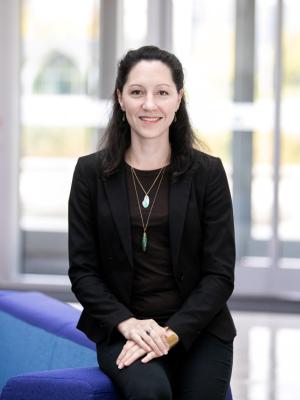
Coraline Goron is an Assistant Professor of Environmental Policy, Duke Kunshan University. Dr. Coraline Goron obtained a double Ph.D. degree in Political Science from the University of Warwick and the Université Libre de Bruxelles under the aegis of the Erasmus Mundus GEM program. Before joining DKU, Coraline was a postdoctoral research fellow funded by the Wiener-Anspach Foundation at the University of Oxford China Centre.

David Landry is a professor of international political economy at Duke Kunshan University and a visiting professor at Johns Hopkins University. He is an expert on Chinese government finance and natural resource investments around the world. In addition to publishing his research in academic journals, he has written in The Financial Times, The Washington Post, The Globe and Mail, Foreign Policy, and Foreign Affairs. His book “Mineral Kingdoms: Underground Riches and the Fate of Nations” will be published by Penguin in 2027.

Paula Ganga is an Assistant Professor of Political Economy at Duke Kunshan University. Her research and teaching explore the economic consequences of illiberalism, the developmental impact of foreign aid, corruption, and the role of technology. She is currently working on a book manuscript that explores the connection between economic nationalism and populism in Europe. She holds a PhD in Political Science from Georgetown University, and degrees in politics and governance from Alexandru Ioan Cuza University in her hometown of Iași, Romania, and Oxford University, where she was a Chevening Fellow.
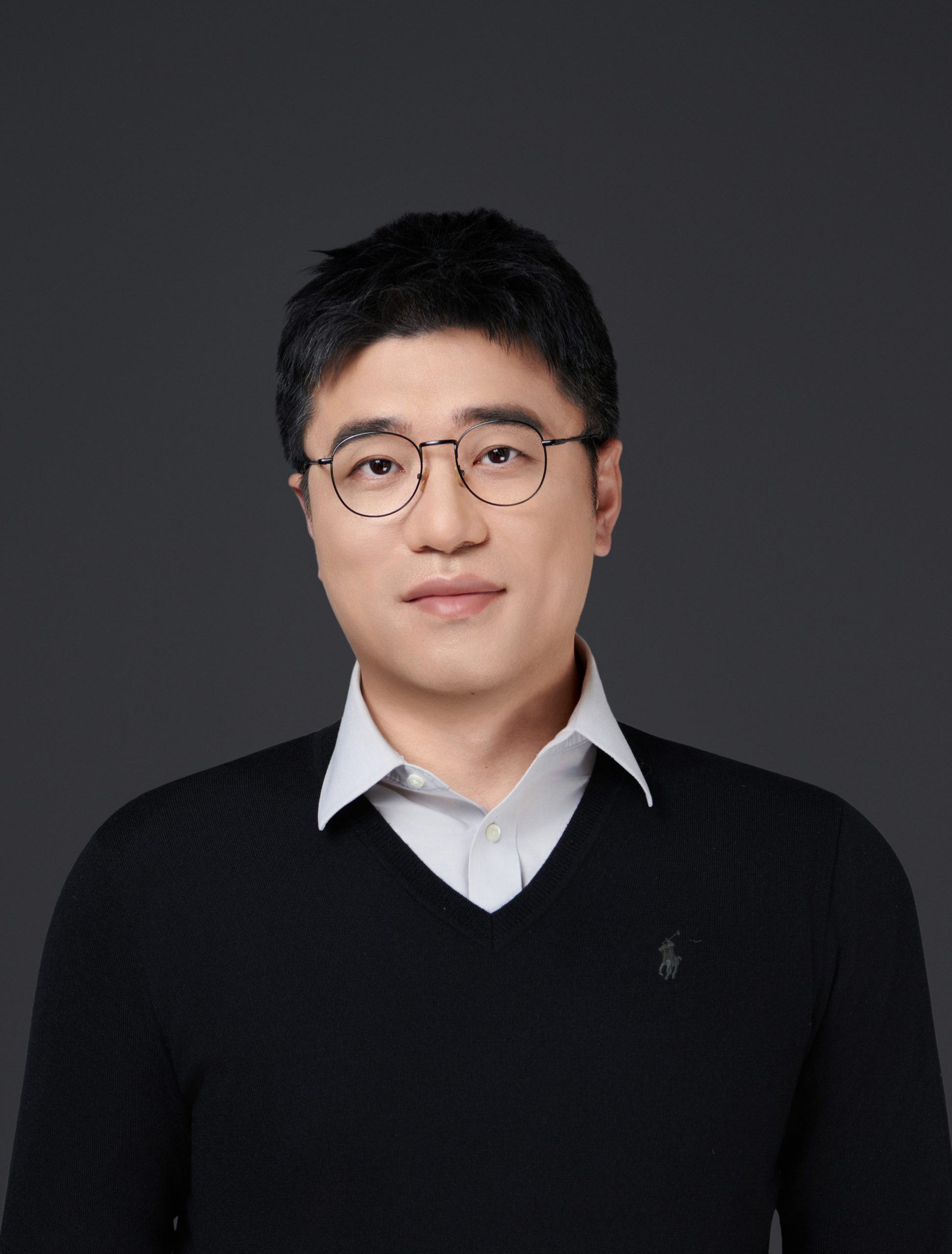
Dr. Puyang Li is an interdisciplinary geographer specializing in land systems, sustainability science, and China’s role in South-South cooperation. He holds a Ph.D. in Geography from Arizona State University and has worked with global development programs. His research examines how China’s overseas land transactions and development cooperation shape food security, smallholder wellbeing, and ecosystem services across diverse regions worldwide, as well as their connections to broader systems across spatiotemporal and institutional scales.

Adjunct Assistant Professor at DKU; Assistant Professor at Peking University
Global China
African Politics & Development
Sino-African Relations