

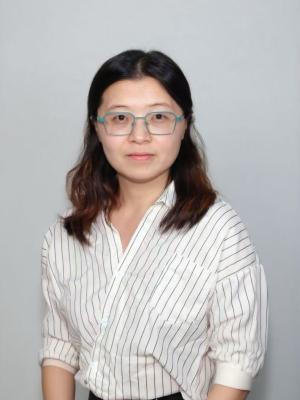
Mengqi Wang is an assistant Professor of Cultural Anthropology at Duke Kunshan University. Her research interest covers economic anthropology, urban anthropology, housing, and China. Her book Anxious Homes: Inflexible Demand and China’s Housing Market explores the making of homeownership ideologies in contemporary urban China.

Coraline Goron is an Assistant Professor of Environmental Policy, Duke Kunshan University. Dr. Coraline Goron obtained a double Ph.D. degree in Political Science from the University of Warwick and the Université Libre de Bruxelles under the aegis of the Erasmus Mundus GEM program. Before joining DKU, Coraline was a postdoctoral research fellow funded by the Wiener-Anspach Foundation at the University of Oxford China Centre.
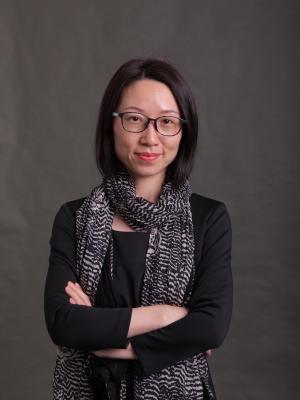
Keping Wu is Associate Professor of Cultural Anthropology at Duke Kunshan University. Her work explores the effects of urbanization and displacement on the social lives of former villagers, with a focus on aging, mental health, gender and spirituality.
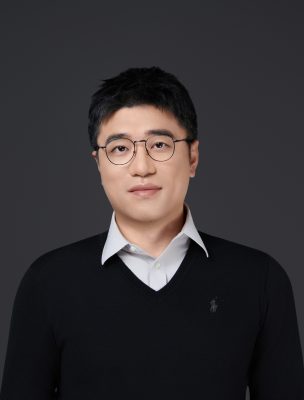
Dr. Puyang Li is an interdisciplinary geographer specializing in land systems, sustainability science, and China’s role in South-South cooperation. He holds a Ph.D. in Geography from Arizona State University and has worked with global development programs. His research examines how China’s overseas land transactions and development cooperation shape food security, smallholder wellbeing, and ecosystem services across diverse regions worldwide, as well as their connections to broader systems across spatiotemporal and institutional scales.