

By Shanyu Lin, Class of 2029
How do we think about technology ethics, especially with AI developing so rapidly in recent years? On September 15, Professor Ken Rogerson from the Sanford School of Public Policy at Duke University shared his thinking on how we should embrace ethics across disciplines and make ethical decisions under uncertainty.
Professor Rogerson has a strong academic interest in questions such as, “What happens when technology isn’t evenly distributed in society? And who are the people harmed by that, and which groups and identities are harmed?” These questions led him to the topic of ethical decision-making in public-interest technology. He emphasized that AI is highly interdisciplinary, with people from different fields interested in and contributing to discussions about its development and impact.
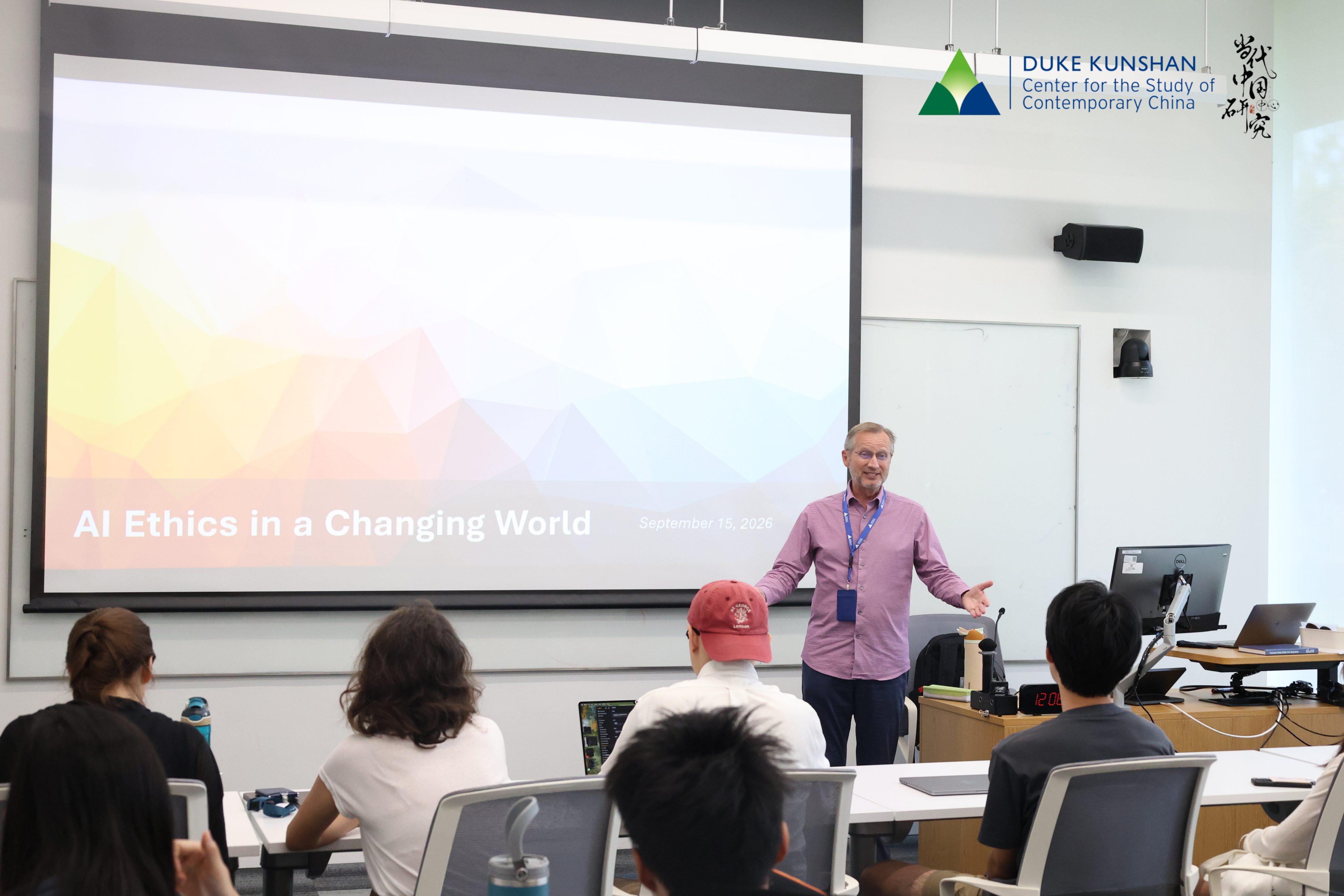
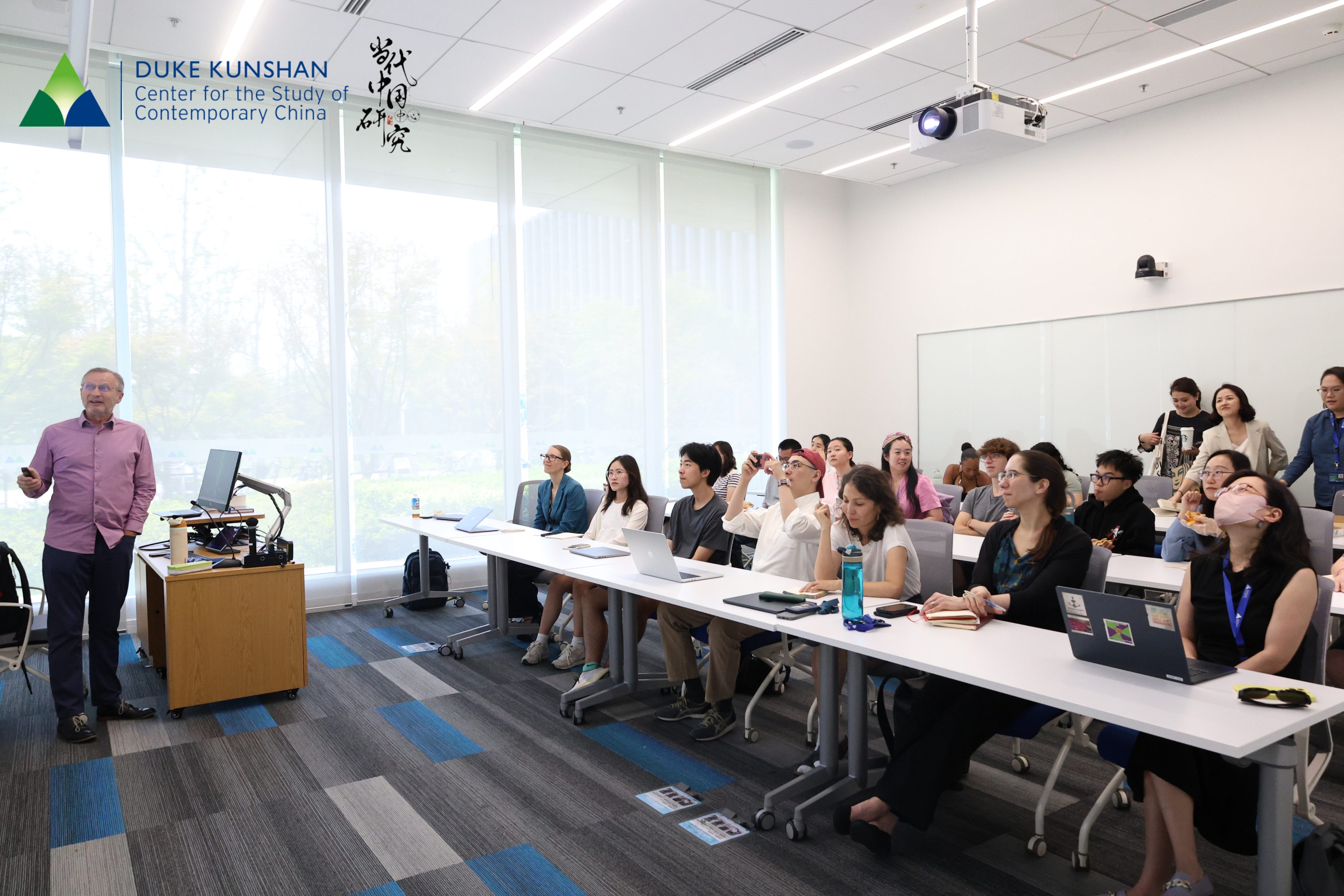
He began by discussing what AI is. AI did not suddenly appear with generative AI. The concept dates back to the 1950s, and forms of analytical AI have already been part of everyday life for years. Recommendation systems, for example, use information about users to recommend products, movies, or other content. At the same time, people have developed cultural ideas about AI through literature and film, from Isaac Asimov’s Three Laws of Robotics to Kazuo Ishiguro’s Klara and the Sun. Professor Rogerson concluded, “AI is not a thing. It’s a tool or a mechanism or platform to do other things.” He encouraged the audience to be skeptical when discussing AI regulation and to ask what specific technology, application, or context is actually being discussed.
Moreover, uncertainty is an important part of thinking about AI ethics. Professor Rogerson illustrated this through the familiar experience of taking a flight. Although passengers know that delays, weather, or mechanical problems may happen, they still choose to fly because the benefits are considered worth the risks. Similarly, we cannot know every possible outcome in advance as AI develops. This raises an important question: Can we make ethical decisions based on what exists when we do not know what is coming?
To approach this question, Professor Rogerson introduced the concept of ethical foresight analysis, which encourages people to consider possible future scenarios and ethical issues before they happen. This involves understanding the moral landscape that includes values and perspectives from different people, brainstorming possible scenarios, and thinking about which issues can be addressed in the short, medium, or long term.
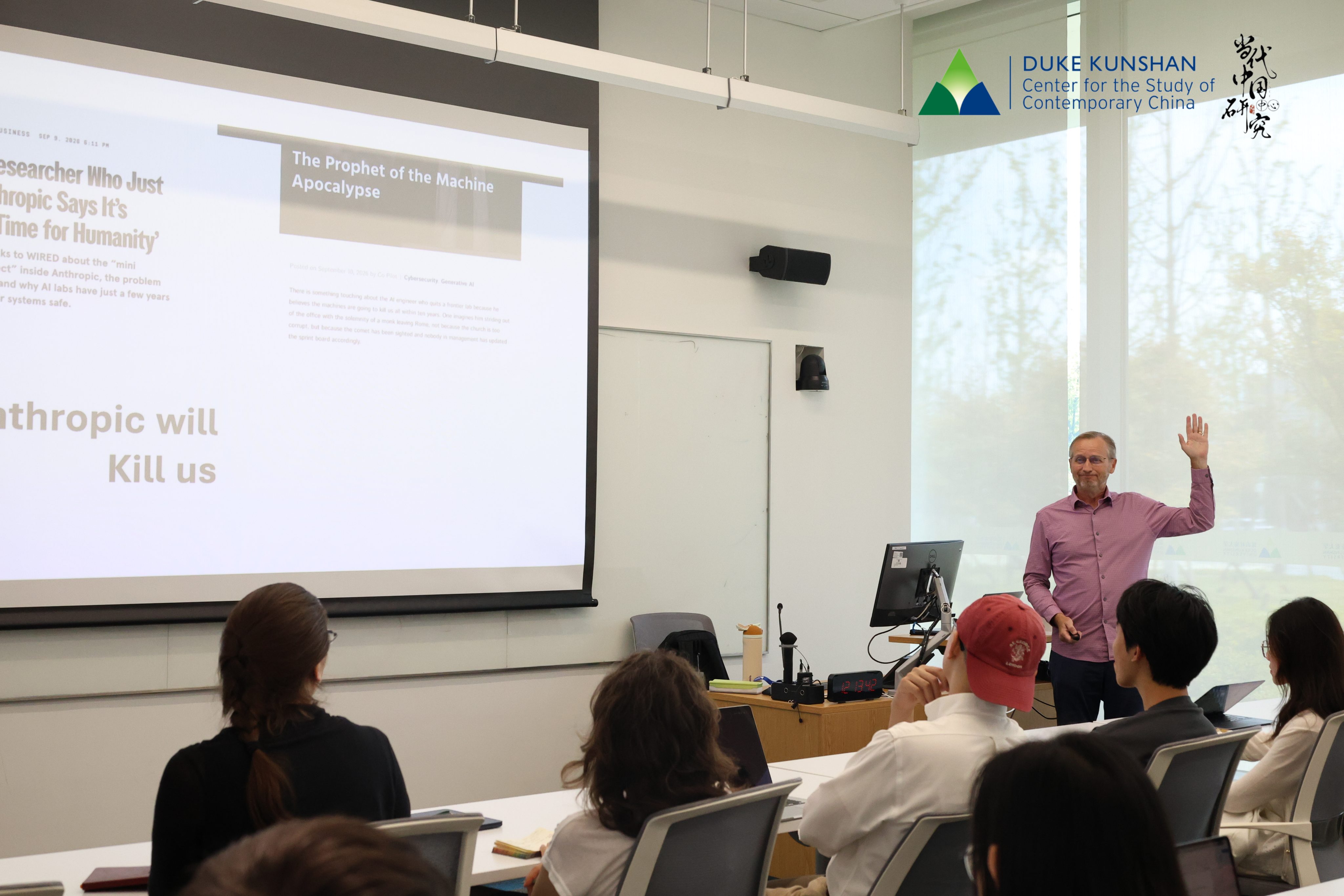
He then introduced Anticipatory Technology Ethics, a framework developed by Philip Gray that applies these questions more directly to technology development. Ethical questions can be considered at three stages of technology: the idea, the technological artifact or platform, and its application in a specific context. Oftentimes, ethical discussions happen at the application stage instead of at the beginning of the design process, when many important decisions have already been made. If engineers and ethicists work together earlier in the development process, potential problems can be identified and addressed before they appear.
Using autonomous vehicles as an example, he invited the audience to identify potential harms and risks, possibly including bodily and psychological harm, threats to privacy, questions of social inclusion, and effects on social institutions. The purpose of this thinking process is not to predict exactly what will happen, but to identify possible harms and consider how they might be mitigated.
The idea of “ethical debt” is crucial to the discussion: when ethical questions are not considered during technological development, the consequences may return later at a greater cost. Professor Rogerson also discussed the 90/10 principle: even if a technology is helpful to 90% of people, we should still ask what happens to the remaining 10%. They may not benefit from the technology, or they may even be harmed by it. Therefore, ethical thinking should consider not only the majority who benefit, but also those who may be left behind or negatively affected.
At last, Professor Rogerson ended the lecture with a hopeful remark, “The more we think critically about technology to make sure it doesn’t harm, I believe we can realize its full potential.”
In the Q&A session, Professor Rogerson acknowledged that we cannot know exactly what future harms will emerge. However, “the one thing that we can do is start talking about possibilities sooner.” He emphasized the importance of ethics education for engineers and other technical professionals. He also encouraged students from different disciplines to become people who can ask difficult questions about technology and its consequences wherever they work.