By Shanyu Lin, Class of 2029
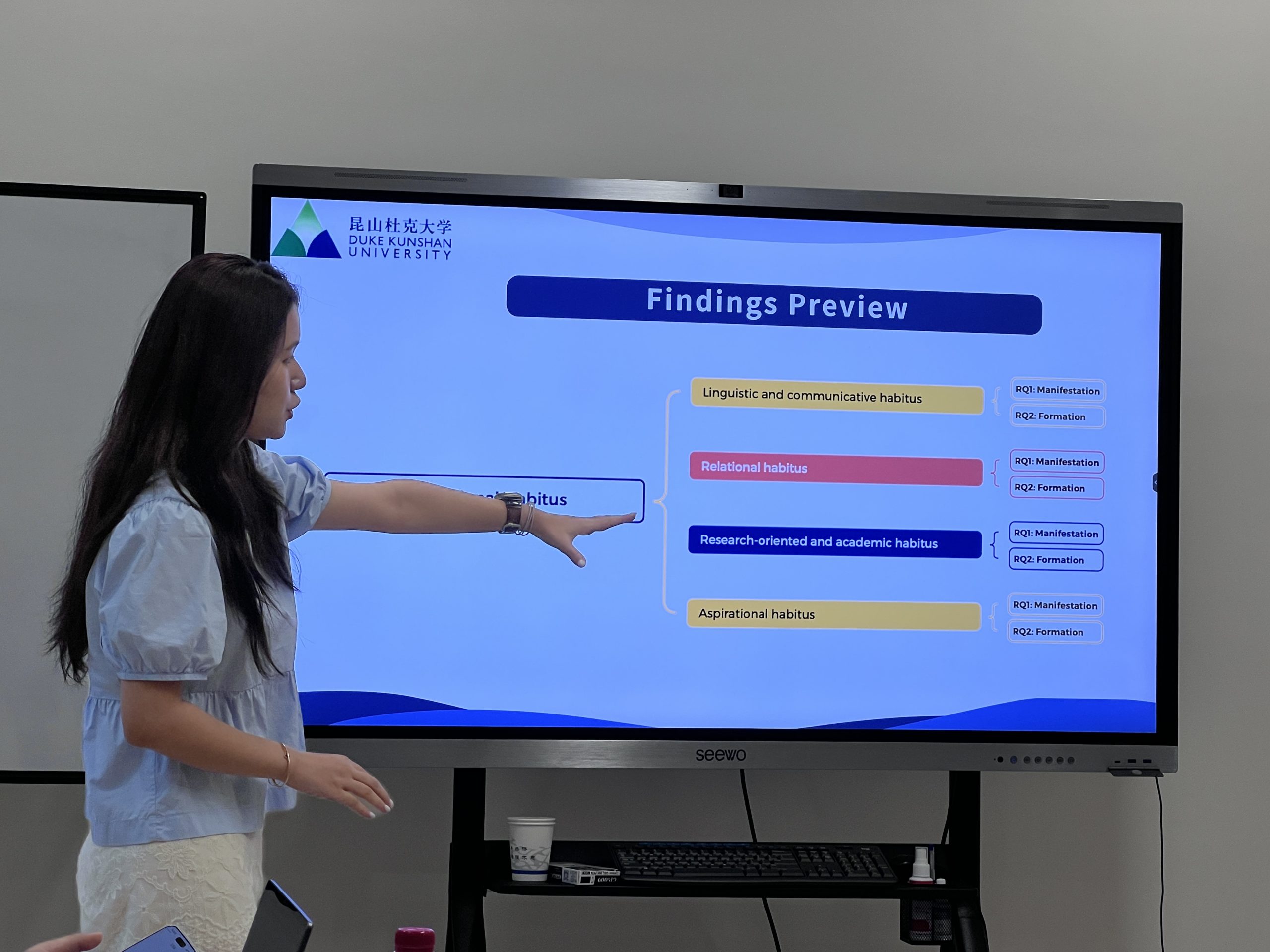
How does studying in a Sino-foreign university shape the way Chinese students learn, think, and understand themselves? Supported by a CSCC Student-Initiated Research and Creative Inquiry Grant awarded in Spring 2026, Quantitative Political Economy student Tianyi Xie (Class of 2028) presented the interim findings of her research exploring this question at the International Symposium on Foreign Language Education and Cultural Communication from the Perspective of the Global South, hosted by Tongji University in Shanghai on July 10–11, 2026.
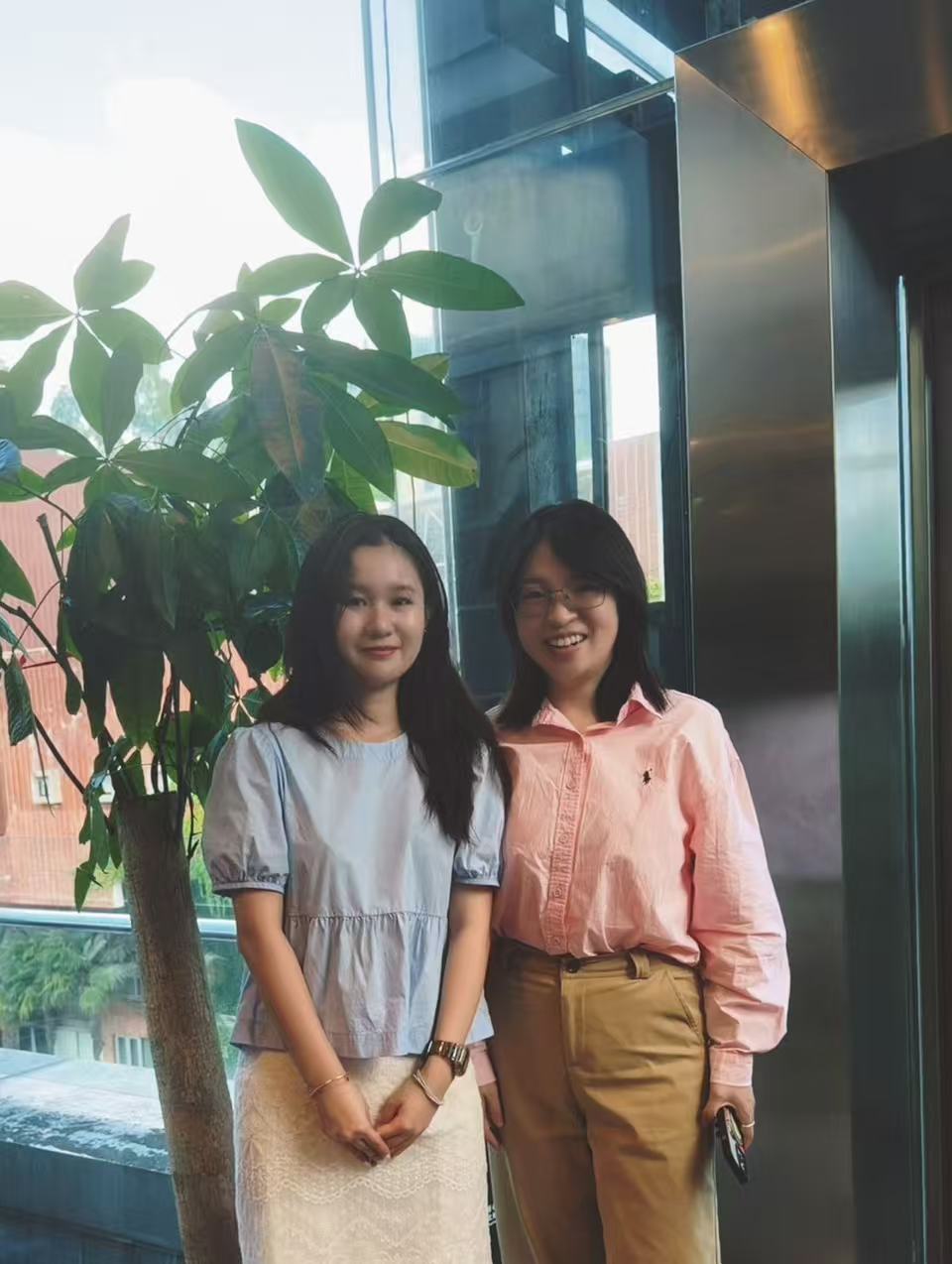
Students enter new educational environments with ways of thinking, learning, and participating shaped by the educational and cultural environments where they grew up. For example, Chinese students entering Sino-Foreign Joint Venture Universities may find that ways of learning developed in the Chinese high-school system gradually change as they participate in English-based courses. Tianyi’s research explores how students’ habits, practices, and identities continue to evolve through both the university environment and their own reflections on their experiences. More specifically, her current project focuses on first-year students at DKU. Her research asks how English-based courses and related policies influence students’ learning and participation, and how students understand their identities within the school environment.
The project grew out of a course titled Language, Identity, and Intercultural Communication taught by DKU Professor Wendy Li. During an office hour discussion, Tianyi shared observations from her own experiences interacting with students at Sino-foreign universities. She noticed that many of them demonstrated distinctive ways of thinking and communicating compared with students at other universities in China. Encouraged by Professor Li, she developed these initial ideas into an independent research project, which officially began around September 2025. Since then, the project has progressed steadily. Tianyi has completed two rounds of interviews with DKU students and is currently analyzing emerging patterns in the data. At the conference, she presented the project’s research questions, methodology, and preliminary findings while receiving valuable feedback.
One of the most unexpected aspects of the project has been how the research evolved. When Tianyi first began, she expected to focus primarily on the struggles students encounter in English-medium instruction (EMI) environments and cross-cultural learning contexts. However, after some interviews, she found that many participants described their experiences in largely positive terms, highlighting the support and opportunities provided by the university. During the conference, Professor Yongyan Zheng from Fudan University encouraged her to engage more critically with the findings by exploring tensions and complexities that might not be immediately visible in the data. Tianyi particularly appreciates this feedback, as it opened up new analytical possibilities for the project.
The conference further broadened her perspective. Beyond her own presentation, Tianyi attended talks by scholars from institutions including Fudan University, Curtin University, and the University of Queensland. Listening to researchers approach similar questions from different perspectives exposed her to a wide range of research methods and theoretical frameworks. Reflecting on the experience, Tianyi shared, “I learned so much from listening to other researchers studying translingual education and cultural communication from the perspective of the Global South. It was especially surprising and encouraging that Professor Yongyan Zheng, whose presentation I attended on the first day, later came to my session and offered such thoughtful feedback.”
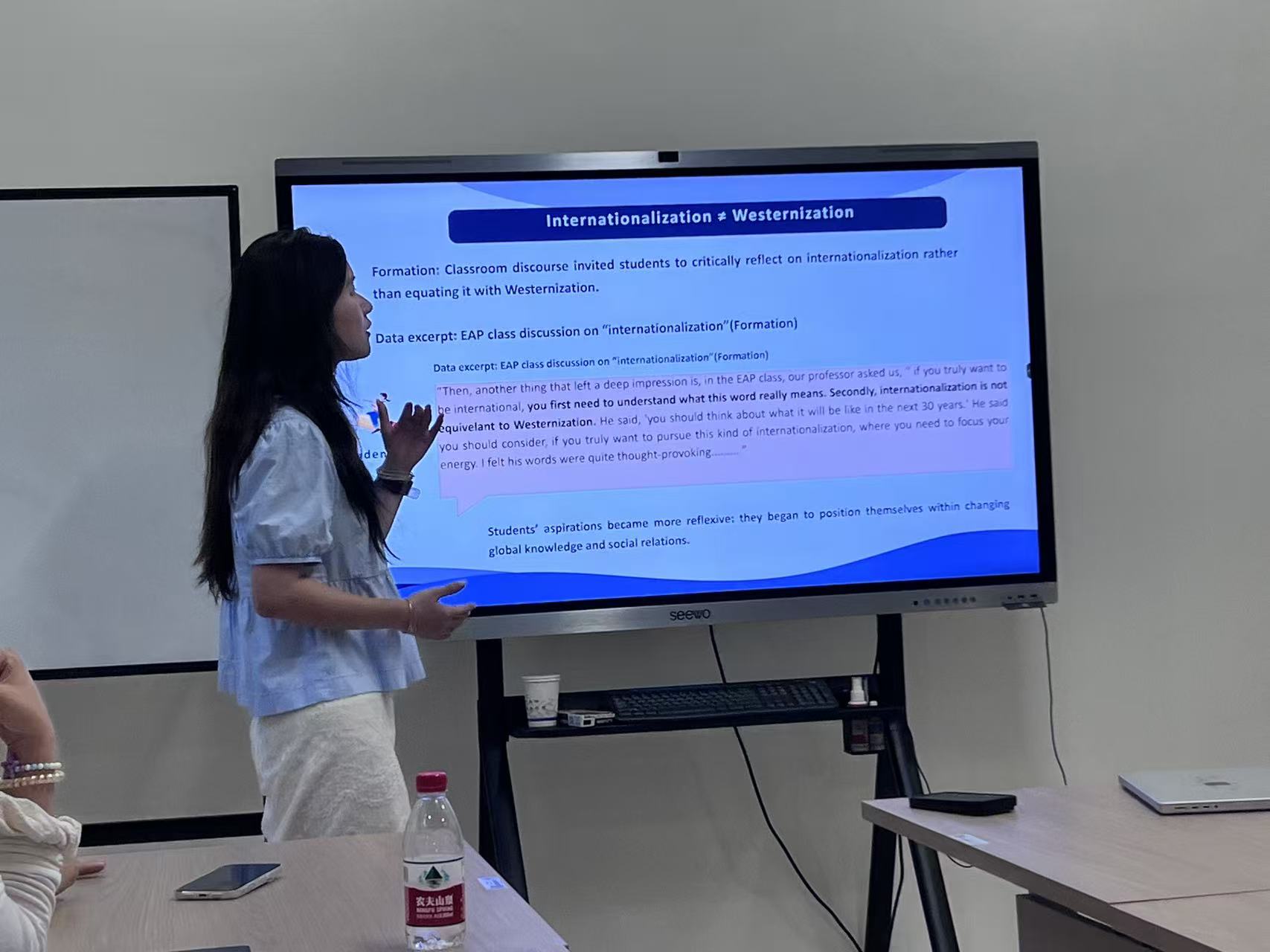
Looking back on the project so far, Tianyi believes the experience has contributed to both her academic development and personal growth. Reading existing literature deepened her understanding of how researchers approach similar questions, while conducting interviews and organizing and interpreting data strengthened her research skills. She also emphasized how meaningful it was to receive encouragement from Professor Li as well as institutional support from the CSCC and the LCC, which made academic research feel both accessible and achievable as an undergraduate student.
As a first-time researcher, Tianyi said Professor Li’s guidance gave her confidence throughout the project, particularly when the data challenged her initial assumptions. When unexpected findings emerged, Professor Li provided thoughtful guidance and reassurance, giving her the confidence to navigate challenges throughout the research process.
Looking ahead, Tianyi plans to continue analyzing the data and begin drafting an initial paper by the end of this year. As the project continues to develop, she also hopes to expand the participant pool to examine whether similar patterns emerge across different institutional contexts, possibly including students from other Sino-Foreign Joint Venture Universities. By continuing this research, Tianyi hopes to contribute to ongoing conversations about language, identity, and transnational higher education.