

By Zhonghan Dai, Class of 2028, Majoring in Applied Math and Computational Science
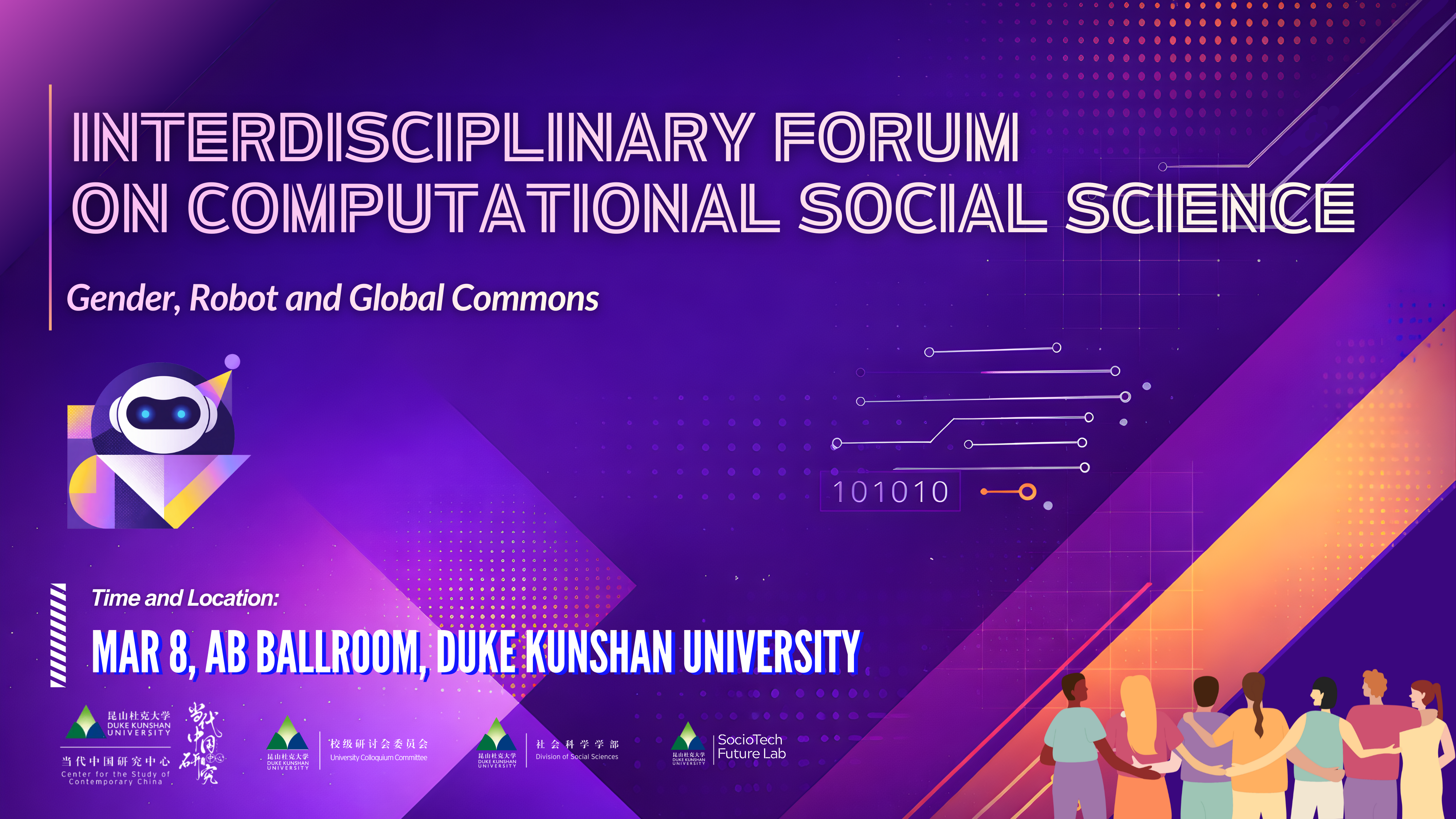
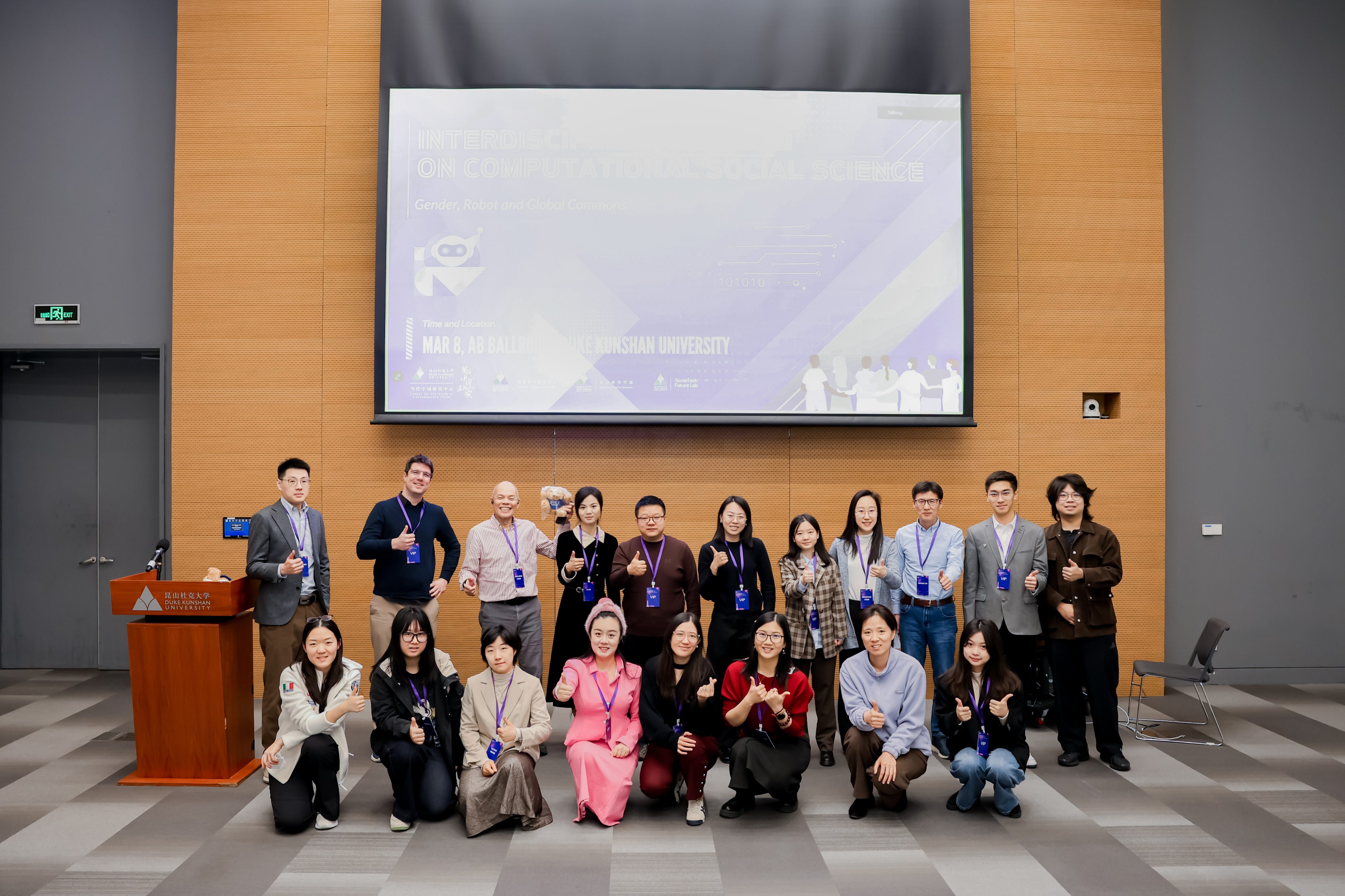
The Interdisciplinary Forum on Computational Social Science, themed on “Gender, Robots, and Global Commons: Cross-Disciplinary Perspectives on Ethics, Equity, and Socio-Technical Futures,” convened on March 8, 2025, at Duke Kunshan University. Co-hosted by the DKU Center for the Study of Contemporary China, the University Colloquium Committee, the Division of Social Sciences, and the SocioTech Future Lab, the forum was orchestrated under the faculty co-chairmanship of Prof. Fan Liang and Prof. Luyao Zhang, who jointly lead the Digital Technology and Society cluster at CSCC. Working alongside this faculty leadership, student co-chairs Zhonghan Dai and Sarah Tao provided organizational direction, exemplifying the forum’s radical commitment to undergraduate agency—students chaired panels, presented peer-reviewed research, and co-architected the event’s vision alongside junior and senior faculty. Transcending conventional disciplinary boundaries, the gathering united economists and computer scientists, political scientists and digital humanists, sociologists and media theorists from research-intensive comprehensive universities, specialized science and technology institutes, Sino-foreign cooperative campuses, and leading economics and business schools. At its core, the forum tackled the urgent governance of global commons in an age of intelligent machines: from the embodied ethics of gendered digital technology and the neuro-symbolic foundations of trustworthy automation to the epistemic decolonization of big data and the sustainable futures of urban spaces. This was not merely an academic conference, but a collaborative laboratory for calibrating the humanistic compass of computational innovation.
Opening Remarks: Bridging Experiences and Institutions
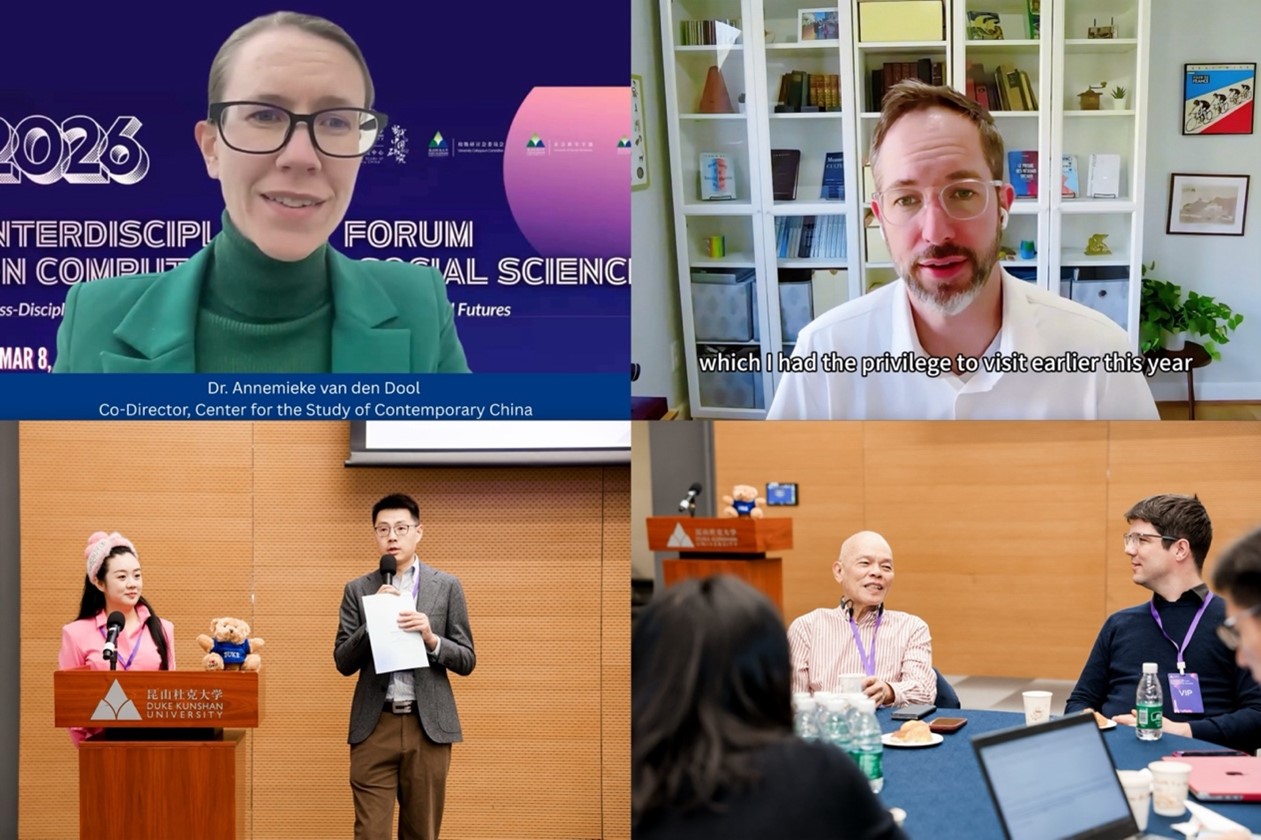
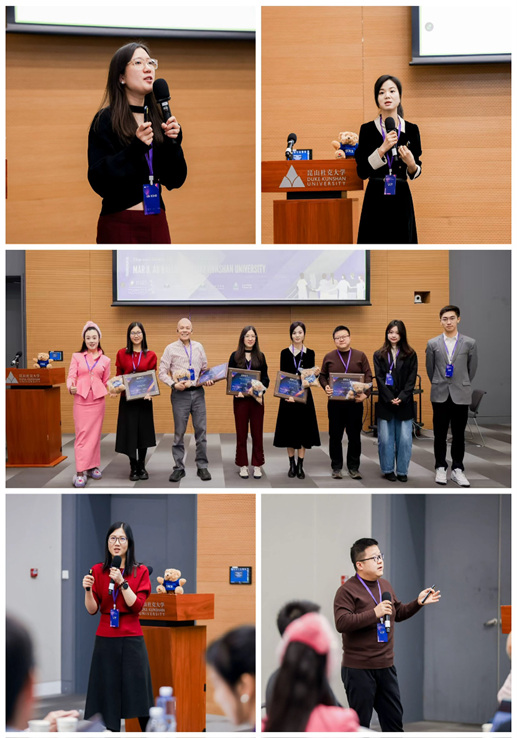
The forum officially commenced with opening remarks that grounded the ambitious interdisciplinary agenda in lived experience and critical theoretical insight. Prof. Annemieke van den Dool, Co-director of CSCC, vividly illustrated China’s rapid digital transformation by contrasting her experience of waiting for train tickets when she first came to China in 2004 with today’s seamless smartphone transactions, emphasizing how these digital interactions have opened new dimensions for studying society. She appreciated the symposium for not only bringing together faculty across different disciplines at DKU and invited speakers from multiple higher education institutions, but also highlighting the leadership of undergraduate students at DKU. Professor Christopher Bail of Duke University, Professor of Sociology, Director of the Trinity Social AI Initiative, Professor in the Sanford School of Public Policy, Professor of Political Science, Professor of Computer Science, and Associate of the Duke Initiative for Science and Society, addressed the audience virtually. His insights were particularly impactful due to the inherently cross-disciplinary nature of his position at Duke, which mirrors the core ethos of this forum. He fondly recalled an earlier visit to DKU, during which he shared deeply resonant and inspiring conversations with the event’s organizers. Highlighting the value of this bilateral friendship and future collaboration, he expressed his hope to visit DKU again soon to advance these globally critical conversations in person. Addressing the forum’s theme, he praised the focus on “gender and robots,” highlighting the embodiment often lacking in social science, arguing that as next-generation artificial intelligence relies on foundation models to interact with the physical realm, debates surrounding robot identity and anthropomorphism urgently require rigorous social science intervention.
Morning Keynote: The Evolution of Intelligence
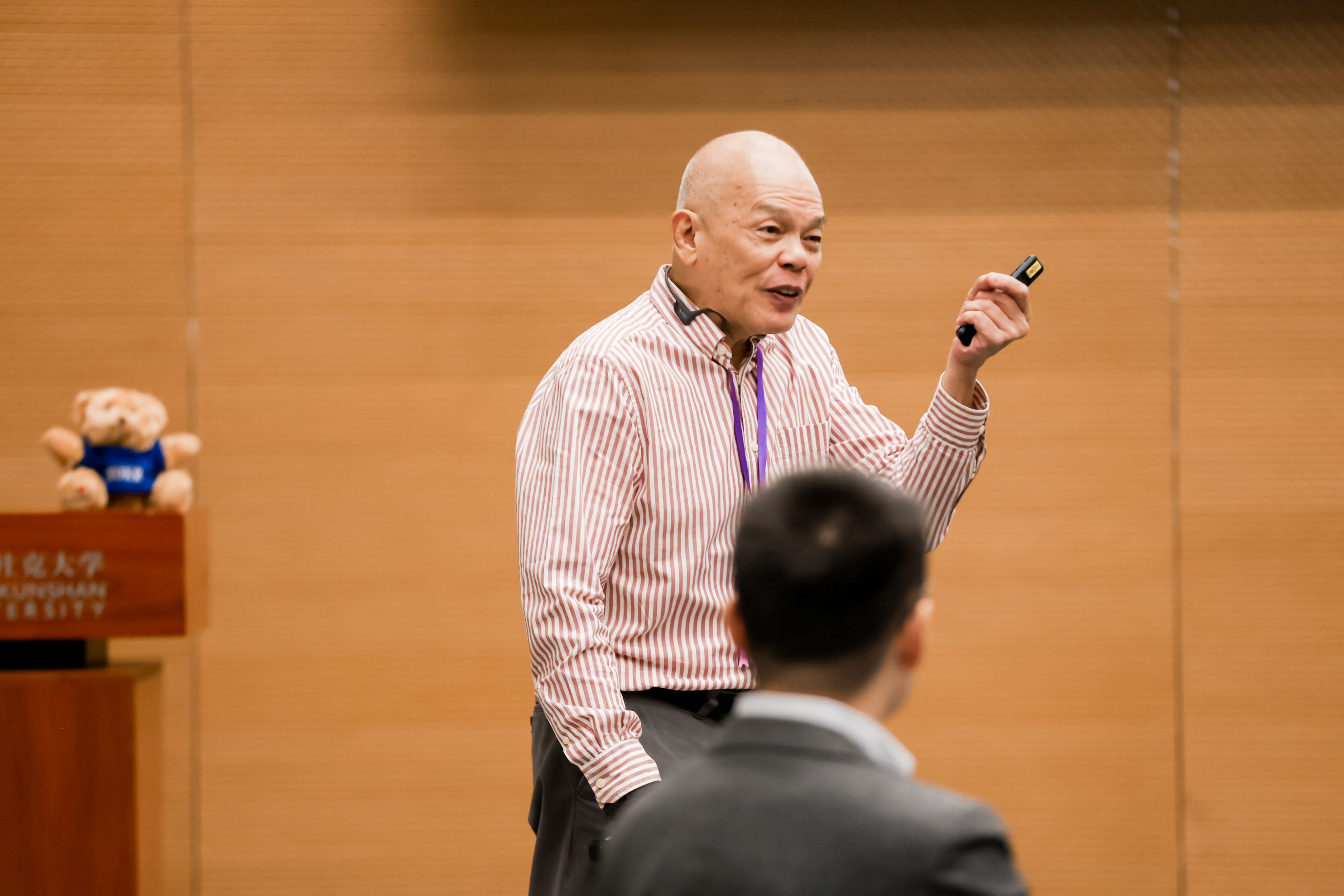
Prof. Soo Hong Chew, introduced by host Prof. Zhang as an interdisciplinary scholar perpetually working at the frontier of economic thought, delivered the morning keynote titled “Energy, Information, and the Evolution of Intelligence.” A world-renowned economist and Fellow of the Econometric Society, Prof. Chew holds the prestigious position of Director and Chief Professor of the Center for Intelligence Economic Science at Southwestern University of Finance and Economics (SWUFE) while serving as Provost’s Chair and Co-Director of the Laboratory for Behavioral × Biological Economics and the Social Sciences at the National University of Singapore (NUS). With characteristic humility, Prof. Chew humorously noted that he might now be best known as a “professional of intelligence economics”—a fitting title for a researcher whose foundational contributions to decision theory and axiomatic non-expected utility models have earned him the Leonard J. Savage Award and the 2022 Sichuan Tianfu Friendship Award.
In his keynote, Prof. Chew presented a sweeping narrative characterizing intelligence as “goal-directed optimization under energy and value constraints.” By tracing evolutionary leaps from molecular signaling to modern programmable optimization, he posed critical questions about the wisdom required to govern an era where machines compute error while organisms bear the weight. This energy-centric framework offered a refreshing materialist counterbalance to idealist accounts of intelligence, effectively framing the day’s discussions around the physical and societal costs of technological advancement.
Panel 1: Computational Science for Human Factors in Future Society
Chaired by Prof. Luyao Zhang, this panel brought together an interdisciplinary ensemble spanning computational media arts, social computing, affective engineering, and health technology, featuring Prof. Xin Tong (Assistant Professor, Computational Media and Arts Thrust, HKUST Guangzhou), Prof. Yuling Sun (Research Professor, Fudan University), Prof. Li Liu (Assistant Professor, HKUST Guangzhou), and Prof. Yuchen Jing (Assistant Professor of Computer Science, Duke Kunshan University). Rather than treating technology as an abstract system, the presenters demonstrated how computational science interfaces with embodied human experience: Prof. Tong traced behavioral dynamics in human-AI co-writing to illuminate collaborative cognition through multi-layered interaction analysis; Prof. Sun bridged health informatics and social science to critically examine data-driven eldercare within the situated complexities of aging and caregiving; Prof. Liu integrated affective computing with accessibility engineering, presenting emotion-intelligent audio-visual systems—including Chinese Cued Speech for hearing-impaired communities—that unite algorithmic design with embodied communication needs; and Prof. Jing anchored generative AI in reflective health practices, scaffolding physical well-being through adaptive immersive exercise systems. Collectively, the panel signaled a maturation of the field, moving beyond purely functionalist applications to foreground the affective, reflective, and accessibility-oriented dimensions of human-centered computation.
Panel 2: Gender and Inclusion at the Interplay of Computational Social Science
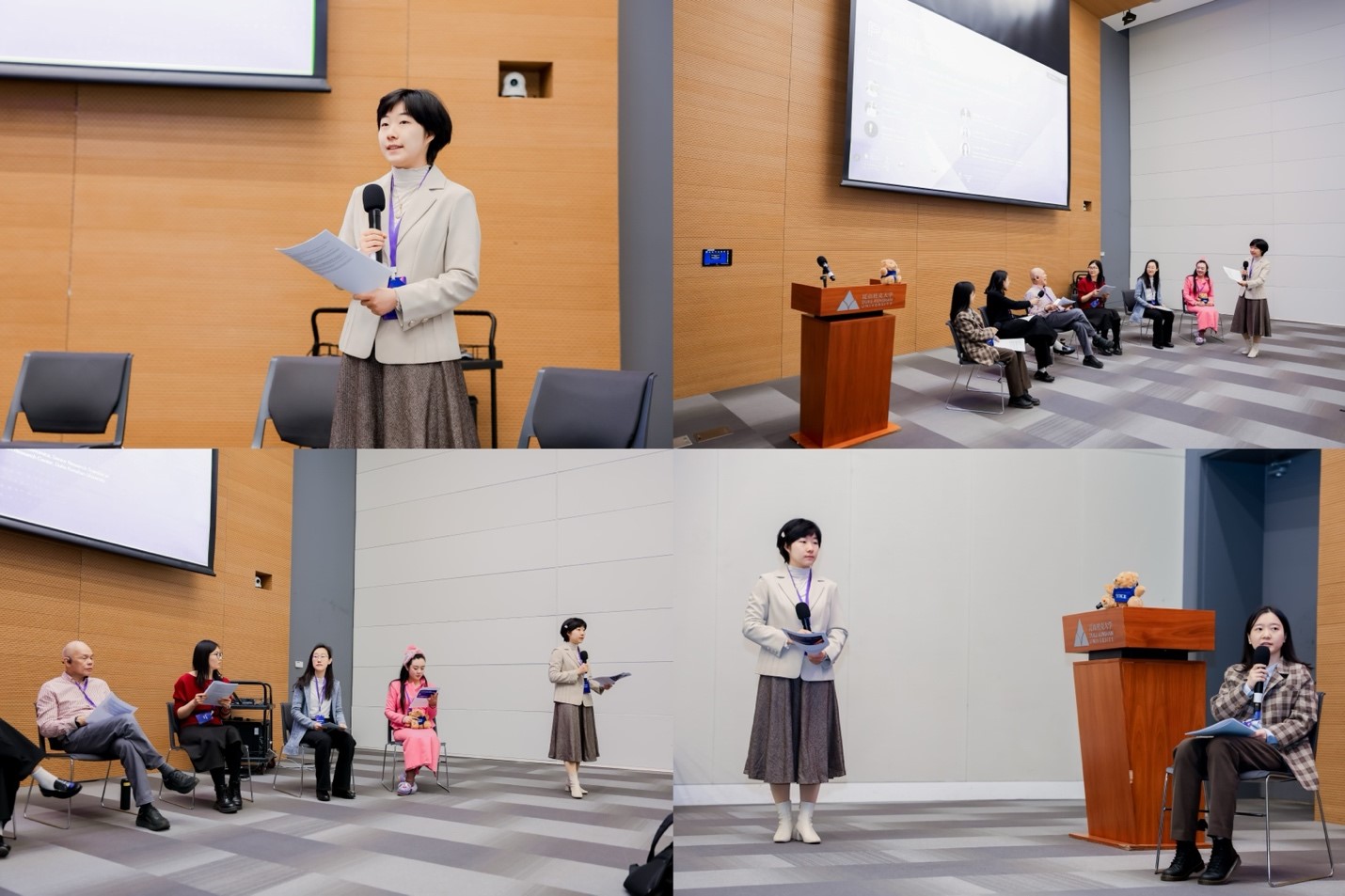
Chaired by Yutian Wang, this roundtable discussion featured a dynamic mix of senior and junior scholars from multiple institutions, including Prof. Soo Hong Chew, Prof. Yuqi Chen, Prof. Menglin Liu, Prof. Yuling Sun, Prof. Luyao Zhang, and Prof. Mengtian Chen. The panel tackled a spectrum of critical issues, examining how gender bias becomes embedded in data collection, exploring academic expectations regarding gendered research, and discussing how generative AI might democratize research participation by lowering technical barriers. The candid discussion provided cautious optimism about generative AI’s democratizing potential while avoiding naive technological determinism, firmly highlighting the ongoing need for structural institutional change and gender-neutral methodologies.
Lunch Session: Digital Innovation Contest Student Poster Exhibitions
Chaired by Yutian Wang, Class of 2028 undergraduate majoring in Applied Mathematics and Computational Science on the Math Track, this interdisciplinary roundtable brought together Professors Soo Hong Chew, Yuqi Chen, Menglin Liu, Yuling Sun, Luyao Zhang, and Mengtian Chen from Southwestern University of Finance and Economics, National University of Singapore, the University of Hong Kong, the Chinese University of Hong Kong Shenzhen, Fudan University, and Duke Kunshan University. Spanning behavioral economics, digital humanities, computational political science, human-computer interaction, and economic sociology, the panel examined how gender bias becomes materially embedded in computational infrastructures and academic labor structures. Rather than treating gender as a mere variable in datasets, the discussion interrogated structural limitations in platform-dependent research paradigms, analyzed the persistent gendered division of labor where female scholars face implicit pressure to concentrate on family and marriage topics rather than core technical methodologies, and debated whether computational tools serve as empowering bridges or exclusionary barriers for women researchers navigating tech anxiety. The conversation explored generative AI’s potential to democratize research participation by lowering technical entry points while maintaining cautious skepticism of technological determinism, ultimately centering the need for structural institutional change and gender-neutral methodologies that foreground human equity alongside algorithmic innovation.
Afternoon Keynote: Trust and Neuro-Symbolic AI
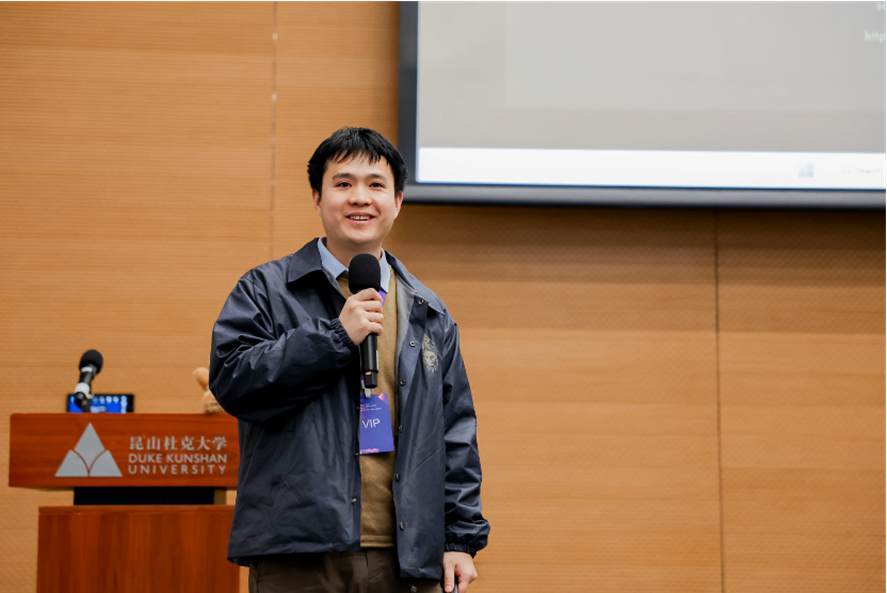
Prof. Wangzhou Dai, Associate Professor and Vice Dean of the School of Intelligent Science and Technology at Nanjing University, delivered the afternoon keynote interrogating AI trustworthiness through the interdisciplinary synthesis of neural learning and symbolic logic. Prof. Dai distinguished between two epistemological traditions: the neural paradigm of modern machine learning, which employs probabilistic pattern recognition to achieve flexible, data-driven performance that is usually approximately correct, and the symbolic paradigm of formal logic and explicit rule-based constraints, which enforces universal, exceptionless guarantees that are always correct by mathematical construction. While neural networks excel at navigating unstructured, real-world complexity through statistical generalization, they lack the capacity to ensure that critical safety rules are never violated; symbolic systems provide rigorous logical certainty but struggle with the ambiguity of empirical data. Prof. Dai’s research bridges this divide through abductive learning and neuro-symbolic reinforcement learning, embedding hard logical constraints directly into the neural training process so that policies provably satisfy safety specifications in every case rather than merely on average. This approach acknowledges that as optimization becomes programmable and scales beyond biological carriers, machines compute error while human societies bear the weight—a material reality that demands governance structures capable of ensuring AI serves the social good despite inherent tensions between learning flexibility and logical rigor.
Panel 3: Interdisciplinary Big Data for Global Commons Governance
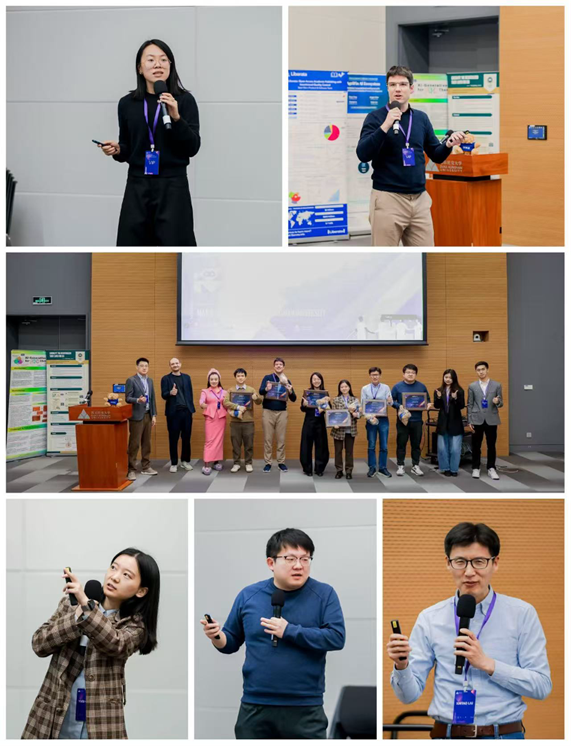
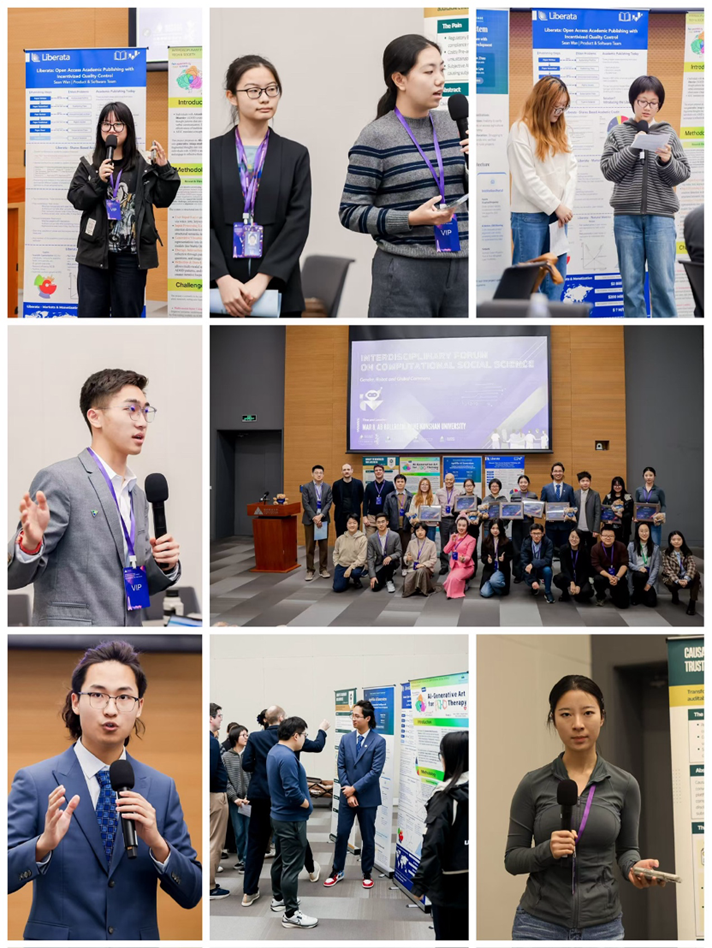
Chaired by Markus Neumann, this panel brought together Professors Xintao Liu, Menglin Liu, Simon Schweighofer, Jiahua Yue, and Yuqi Chen from The Hong Kong Polytechnic University, the Chinese University of Hong Kong Shenzhen, Xi’an Jiaotong-Liverpool University, Duke Kunshan University, and the University of Hong Kong. Spanning geographic information science, computational political science, media and communication studies, and digital humanities, the scholars examined how big data infrastructures interface with global commons governance and human welfare across urban, public health, cultural, and historical domains. Rather than treating data as geographically neutral or epistemically universal, the panel explored spatial intelligence for equitable smart city development, behavioral and political divisions during pandemics, gendered relational marginalization in cinematic networks, cross-cultural biases in large language models tracking public opinion, and interactive simulation frameworks for historical contingency. A recurring finding across these diverse methodological approaches revealed the persistent Western-centric bias embedded in computational systems, underscoring the urgent need for epistemic decolonization and culturally situated governance frameworks that center the full geographic and institutional diversity of human societies.
Closing Panel: Student Interdisciplinary Panels
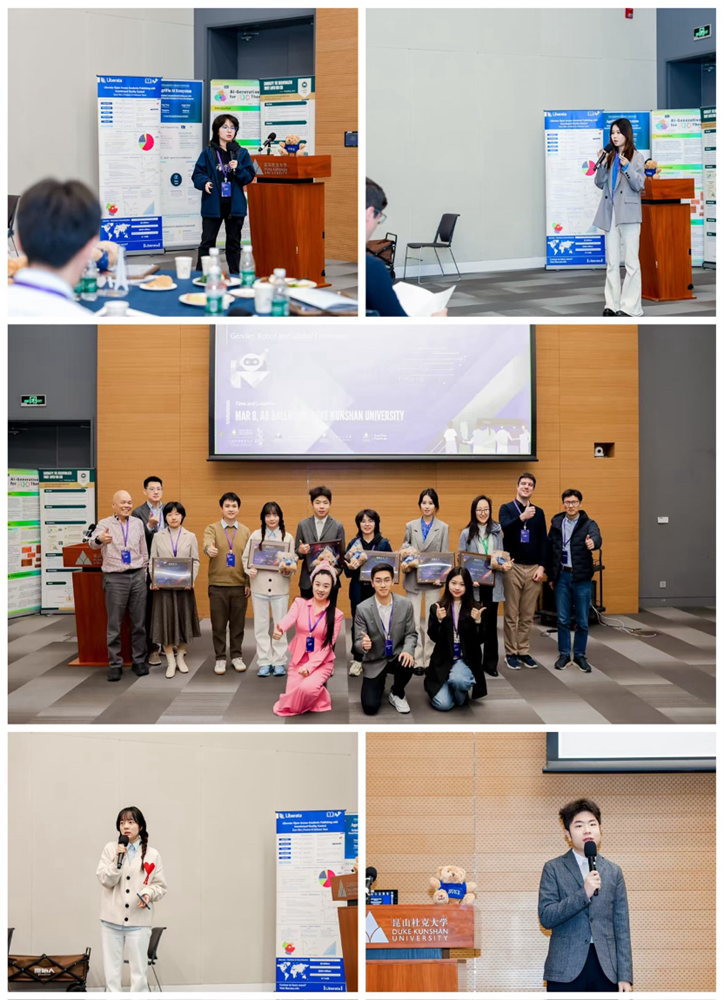
Chaired by Sarah Tao, Class of 2028 undergraduate majoring in Applied Mathematics and Computational Science,, this culminating session brought together Shilin Ou, Yitong Lin, Yiwen Chen, and Yile Liu representing Computer Science, Applied Mathematics and Computational Science, Global Health, and Arts and Media across the Classes of 2026, 2027, and 2028. Spanning urban informatics, sustainable social entrepreneurship, health equity, and computational aesthetics, these undergraduate researchers demonstrated how technical implementation interfaces with critical social analysis and human-centered inquiry. Rather than treating algorithms as purely technical exercises, the presentations explored Transformer-based analytics of spatio-temporal urban stratification, campus secondhand platforms bridging computational optimization with sustainable development and social inclusion, systematic content analysis of demographic biases in AI-generated health narratives, and human aesthetic perception and emotional engagement with AI-composed music. Collectively, these projects affirmed the successful cultivation of “bilingual” scholars capable of navigating rigorous computational techniques while centering humanistic questions of spatial justice, consumption ethics, health equity, and cultural perception, confirming that the next generation of computational social scientists can fluently translate between algorithmic capabilities and nuanced human welfare concerns.
Student Leadership Reflections: Calibrating the Humanistic Compass
Ultimately, the forum successfully maintained a consistent focus on how computational methods can serve inclusive, responsible, and sustainable futures. The active involvement of students and scholars alike demonstrated a strong commitment to navigating the complex intersections of technology and society—an ethos most vividly embodied by the undergraduate leaders who organized and anchored the event’s discussions.
Zhonghan Dai (Student Co-Chair, Interdisciplinary Forum on Computational Social Science) captured the transformative potential of this interdisciplinary space: “As a student already deeply interested in computational social science, stepping into the role of co-chair was a profound eye-opener. I used to view CSS as a very nascent field, a perception seemingly confirmed by the handful of graduate and doctoral programs explicitly bearing its name. However, the striking revelation from this event was realizing just how broad the scope of CSS truly is. It became clear that many mature, established disciplines—such as Human-Computer Interaction—share the exact same DNA. Following a period of explosive growth in raw AI capabilities, the baton is now being passed to these fields. While it is easy to get caught up in watching the latest AI models break benchmark records, the forum reminded me that figuring out how to make technology genuinely serve humanity is the critical question we must quietly and rigorously reflect upon. I am incredibly proud of the space we created here to help calibrate that humanistic compass.”
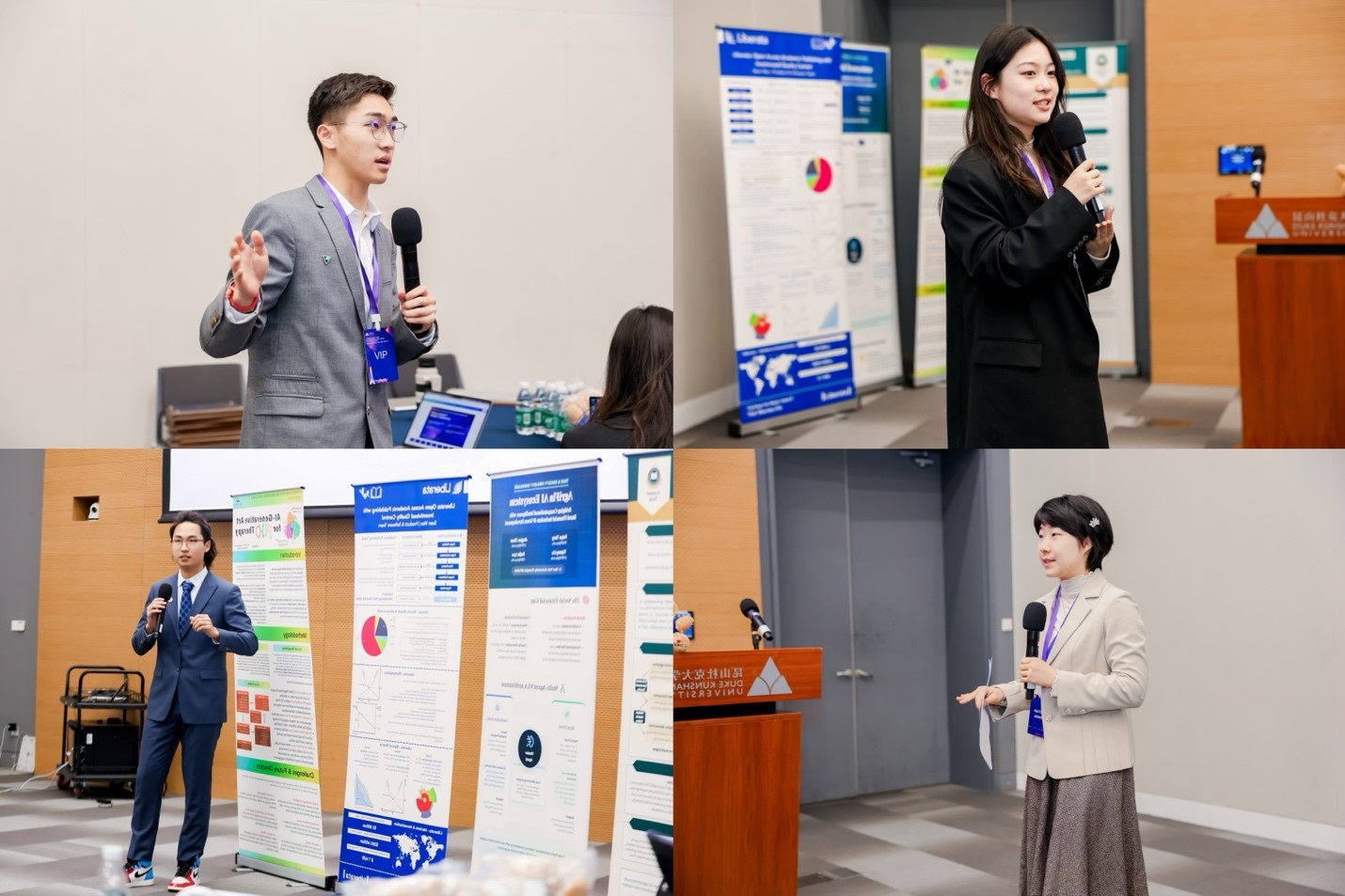
This commitment to bridging technical capability with social accountability resonated across the student leadership:
Sean Wan (Presenter, Co-Chair of DKU Student Leaders Board) noted the practical urgency of the forum’s themes: “As a student with Math-CS background, I found this event especially meaningful because of its emphasis on ethics, equity, governance, and responsible socio-technical futures, which is closely connected with my mission for building more open, trustworthy, and socially accountable products.”
Yutian (Claire) Wang (Panel Chair) affirmed the intellectual inclusivity of the gathering, observing: “There is a standing room for the theorist.”
Sarah Tao (Student Co-Chair, Interdisciplinary Forum on Computational Social Science) highlighted the generational dialogue fostered by the event: “Professors’ insights are insightful and practical, and students’ panel brought such fresh, engaging perspectives that made every discussion feel lively and meaningful.”
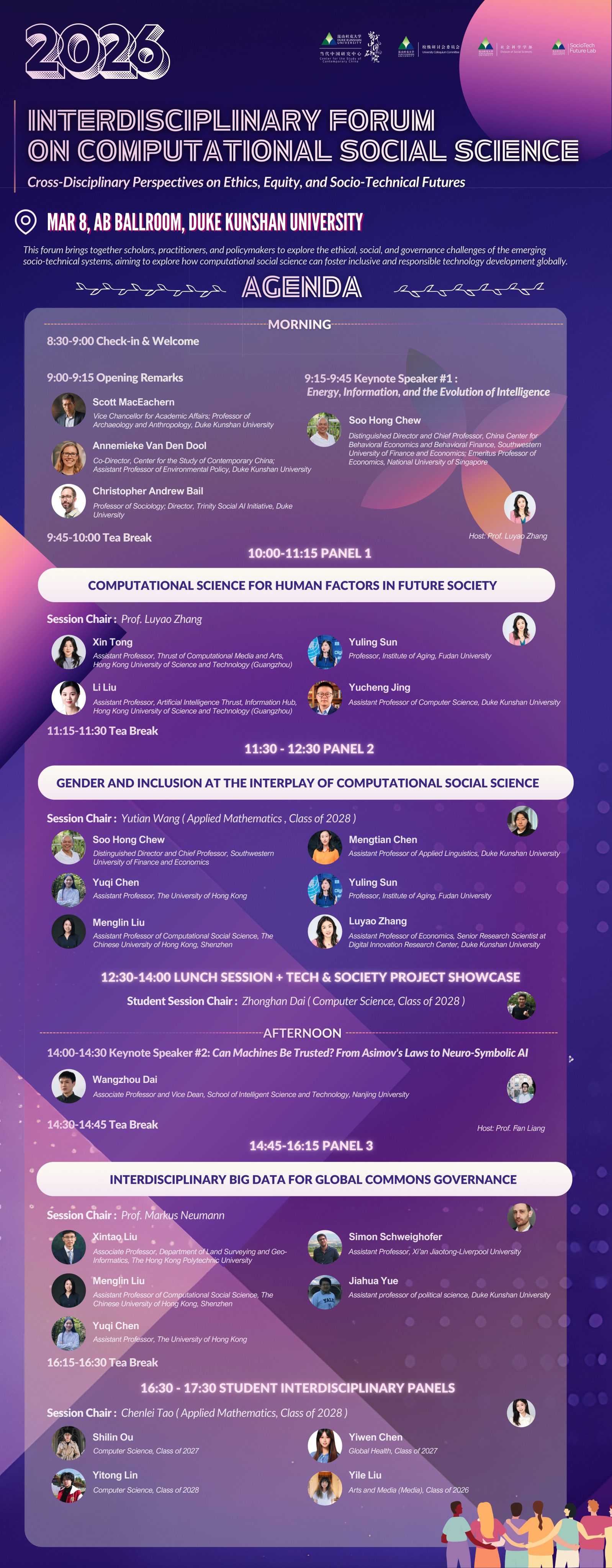
Event Agenda
Acknowledgments:
Drafted by:
Zhonghai Dai
Advised by:
Prof. Fan Liang and Prof. Luyao Zhang
Supported by:
Chi Zhang and Shuqian Xu
Publicity Design:
Yixin Yue, Class of 2026, Majoring in Computational and Design, Digital Media
Student Photographers:
Wenjing Xu, Class of 2025, Cultures and Movements
Annie Tong, Class of 2026, Arts and Media
Yiwen Chen, Class of 2027, Global Health