
By Haoran Zhang & Chi Zhang
On June 20, 2026, the Center for the Study of Contemporary China (CSCC) at Duke Kunshan University hosted the Governing China 2026 Summer Conference. Co-presented by the Governing China Cluster and the Digital Technology and Society Cluster, the conference featured speakers from leading universities and research institutions in China and beyond. Throughout the day, participants explored how China is governed through institutions, incentives, policy implementation, historical legacies, technological developments, and changing international dynamics.
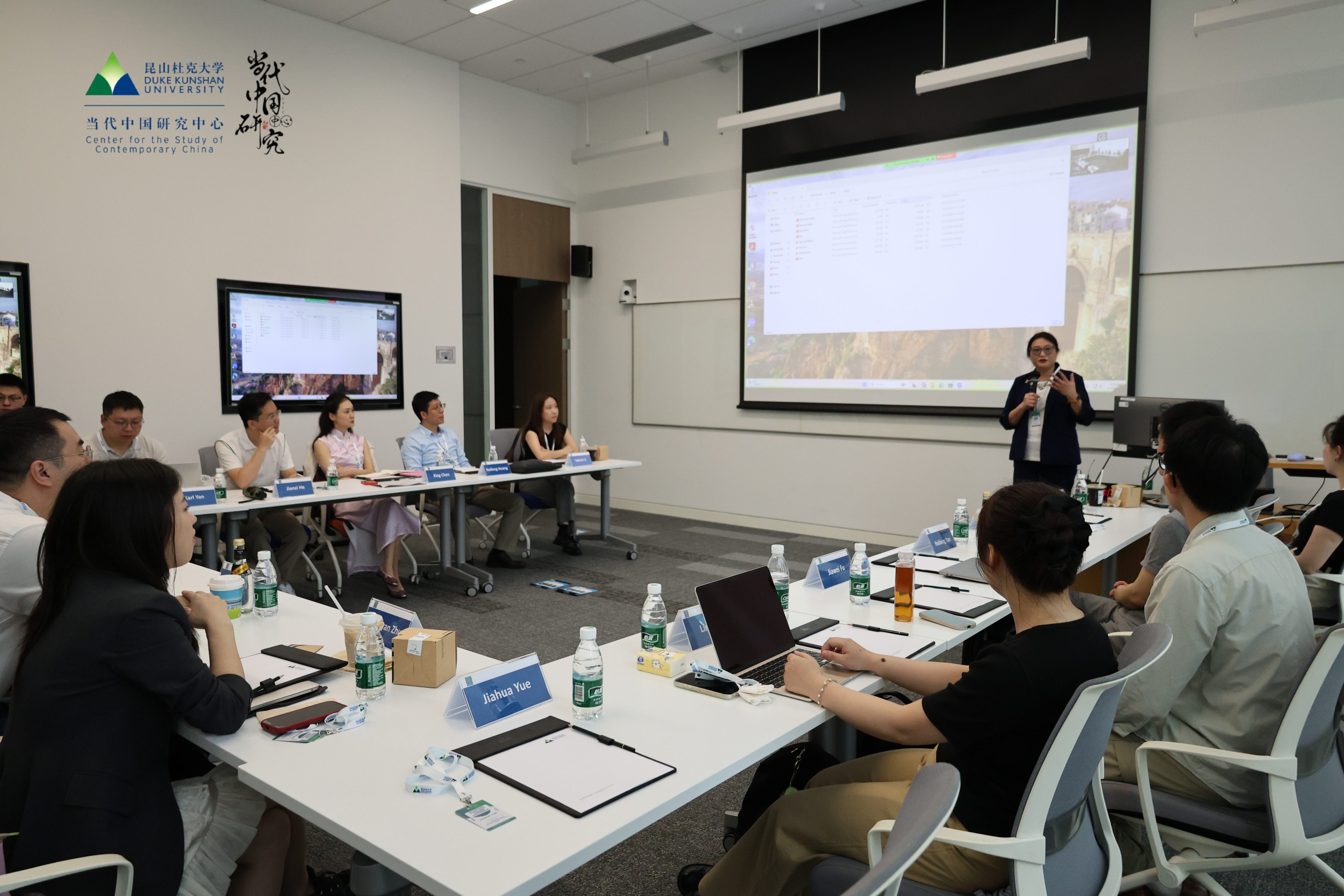
Rather than focusing on a single topic, the conference opened up a broad conversation on contemporary China governance. The featured presentations touched on bureaucratic selection and incentives, developmental policy paradigms, socialist-era land and housing legacies, green industrial policy, propaganda and markets, popular nationalism, BRI financing, and questions of war and risk. Together, these topics highlighted the interdisciplinary nature of governance research and demonstrated how scholars are approaching contemporary China from multiple methodological and analytical perspectives.
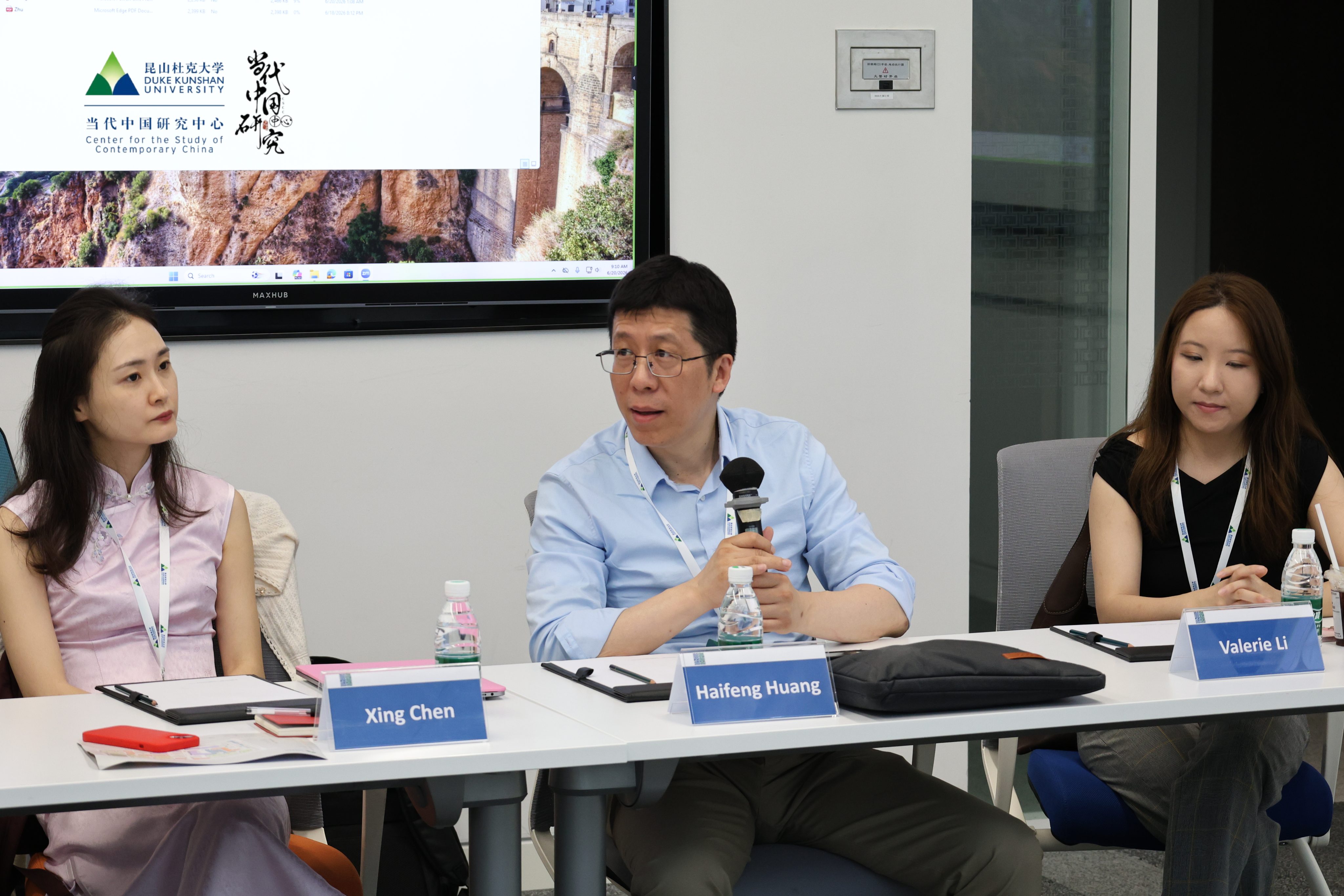
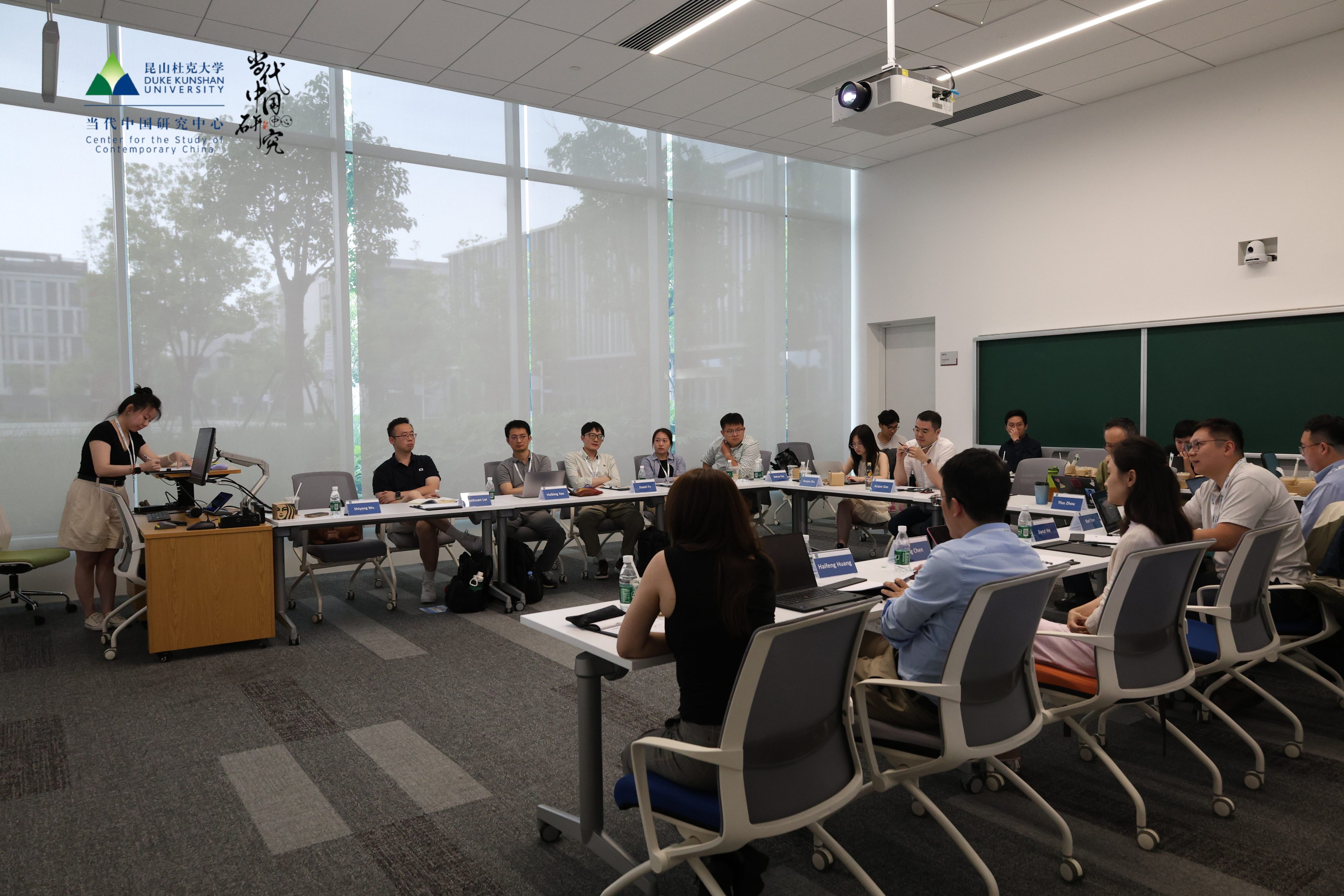
Beyond the individual presentations, the conference encouraged sustained intellectual exchange. Presenters, discussants, and invited participants moved between empirical findings, methodological choices, and larger conceptual questions: how policy goals are translated into implementation, how past institutional arrangements continue to shape present outcomes, and how new technologies and international pressures alter the space of state action.
As one of CSCC’s summer research events, the conference also strengthened connections across institutions and disciplines while fostering dialogue among scholars working on contemporary China. Through the open exchange of ideas and rigorous academic discussion, the conference reflected CSCC’s ongoing commitment to supporting rigorous, internationally engaged research on contemporary China and providing scholars with opportunities to test ideas, receive constructive feedback, and build new research collaborations.