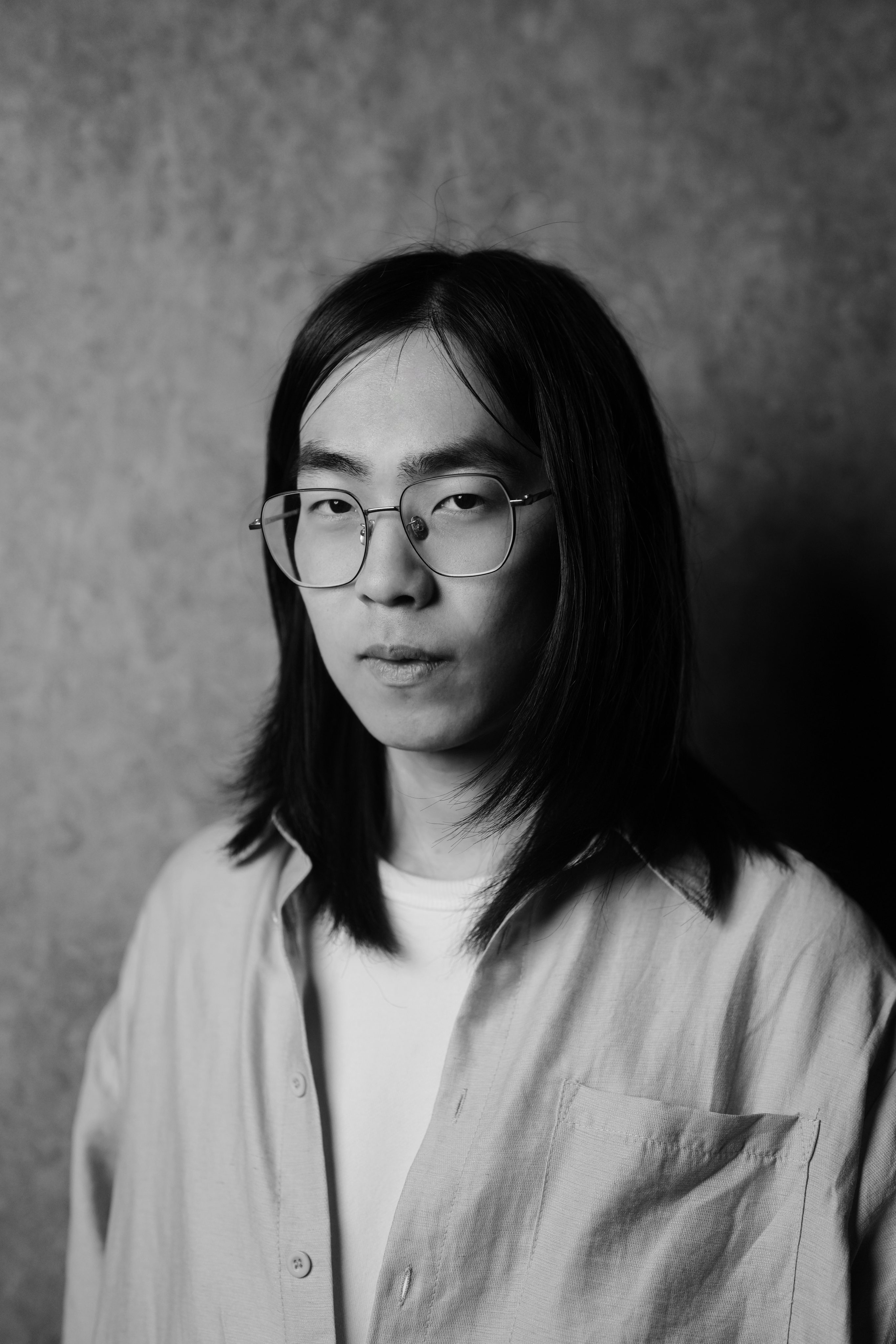
Zhiyuan (Mark) Ma (Class of 2026) is a bilingual poet and literary translator working in Chinese and English, and a student researcher in the CSCC Faculty–Student Collaborative Research Project Contemporary Kunshan Poetry Anthology & Exhibition, led by Professor Stephanie Anderson. His scholarly and creative work centers on contemporary Chinese and American poetry, literary translation, and cross-cultural literary exchange, with a particular focus on the Jiangnan region. In October 2025, Mark’s English translation of poetry by Kunshan-born poet Lu Jiateng was published in ANMLY Issue 41, contributing to the international circulation of contemporary regional Chinese poetry. Through his involvement in the project, as a translator, editor, and project organizer, Mark plays a pivotal part in bridging local literary communities with broader academic and creative audiences. In the following interview, Mark reflects on the project’s aims, his multiple roles within it, and the broader questions that shape his work as a poet and translator.
Hi Mark, could you start by introducing yourself and telling us a bit about the Contemporary Kunshan Poetry Anthology & Exhibition project? What initially drew you to this work, and what roles do you take on within the project?
I major in Global Cultural Studies with a track in Creative Writing & Translation. I spend most of my time working on poetry. As the title suggests, the project focuses on contemporary Chinese poetry from Kunshan and aims to connect local poets with the DKU community. The project has two main components: a bilingual anthology of poems in Chinese with English translations, featuring at least 100 poems, and an exhibition that showcases the poets who currently live in Kunshan – and places their work within the context of Kunshan culture and history as well as that of the broader Jiangnan (江南) region.
I started translating some of the Kunshan poems a long time ago out of interest and as a poetic practice. I began to consider publishing a collection of these translations, as their overall quality was strong and the project carried meaningful potential cultural and social impact. I later initiated this and discussed it with Prof. Stephanie Anderson. I’m sincerely grateful to CSCC for funding this project, without which many of our collaborations, research and exchanges in poetics, and publication of the book might not have been possible.
I have been the major translator and editor of the anthology. In the future I will be the co-curator of the exhibition. I will also lead the research of Kunshan culture and history of contemporary poetry, and participate in the book design process if everything goes as planned. I’m also the major liaison with the Kunshan poets and help coordinate many aspects of the project.
How did you first become interested in poetry and literary translation, and how have these interests developed during your time at DKU?
My earliest poetry writing took place in middle school and was relatively raw and instinctive. By high school, I had already written some poems of decent quality. In 2023, I started to take both English and Chinese poetry writing seriously and came to see poetry as the main cause and pursuit of my life. Some of my earliest English poems emerged through self-translation from Chinese, or took shape as bilingual works written in and between the two languages. DKU’s bilingual campus also naturally fostered the environment for a bilingual creative practice and tendency.
During my time at DKU, I focused more on self-growth, which I believe is an essential path for a poet. I waste most of my nights (and days) reading and writing poetry. Beyond this, there are many wonderful individuals at DKU whose presence continues to enrich my literary creation and growth. Professor Stephanie Anderson, my advisor and mentor, has accompanied and guided my development with her most generous support and illuminating insights. My work and practice in literary translation has also benefited greatly from the help and advice of Professor Ye Odelia Lu. With just as much gratitude, I have been fortunate to have several nice and talented friends at DKU, whose encouragement and creative exchanges have often been a source of solace and inspiration.
When translating contemporary Chinese poetry into English, what are the primary linguistic, cultural, or aesthetic challenges you encounter, and how do you navigate them?
There is almost a paper-length discussion to be had on this topic alone. In fact, my Signature Work includes a section that specifically discusses and reflects on my translation approach and process. My Signature work is also about poetry transaltion and shares some similarities with the Kunshan poetry project. Briefly speaking, my translation practice is guided by two central principles. First, I approach these texts as poetry in the fullest sense, and I aim for them to remain poetry in English. Second, I place particular emphasis on preserving the artistic conception as well as the cultural and literary contexts in the original Chinese.
In terms of challenges, from a practical perspective, the most frequent difficulties arise from certain culturally specific words or terms. Another challenge lies in rhythm, as some of these Kunshan poems are highly lyrical and euphonic. At times, I also encounter the limitations of my own artistic creativity and poetic craft as a translator. In rare circumstances, I am unable to produce an English poem that I would consider fully satisfactory, and this is, occasionally, an unavoidable compromise. I hold myself and my translations to a relatively high standard, which makes these moments of insufficiency especially apparent. Luckily, these Kunshan poems are much easier to translate than some other projects I’ve been working on. Sometimes, I workshop the translations with Professor Stephanie Anderson, Professor Ye Odelia Lu, and some other students in the project, and we are usually able to refine the translations and arrive at workable solutions to certain challenges.
The project involves close collaboration with poets who live in or are connected to Kunshan. How has working directly with these poets influenced the way you think about poetry and translation?
I have long been familiar with some Kunshan poets, and naturally, I have been learning from the outstanding ones. Several years ago, when there was little poetry activity on campus (and almost no presence of Chinese poetry), I began reaching out to accomplished Kunshan poets beyond the university. I started paying close attention to the poetry of Kunshan poets around 2021, and by 2023 I had established sustained literary relationships and exchanges with them. Since then, I have remained in regular contact with these poets and have occasionally participated in their literary activities.
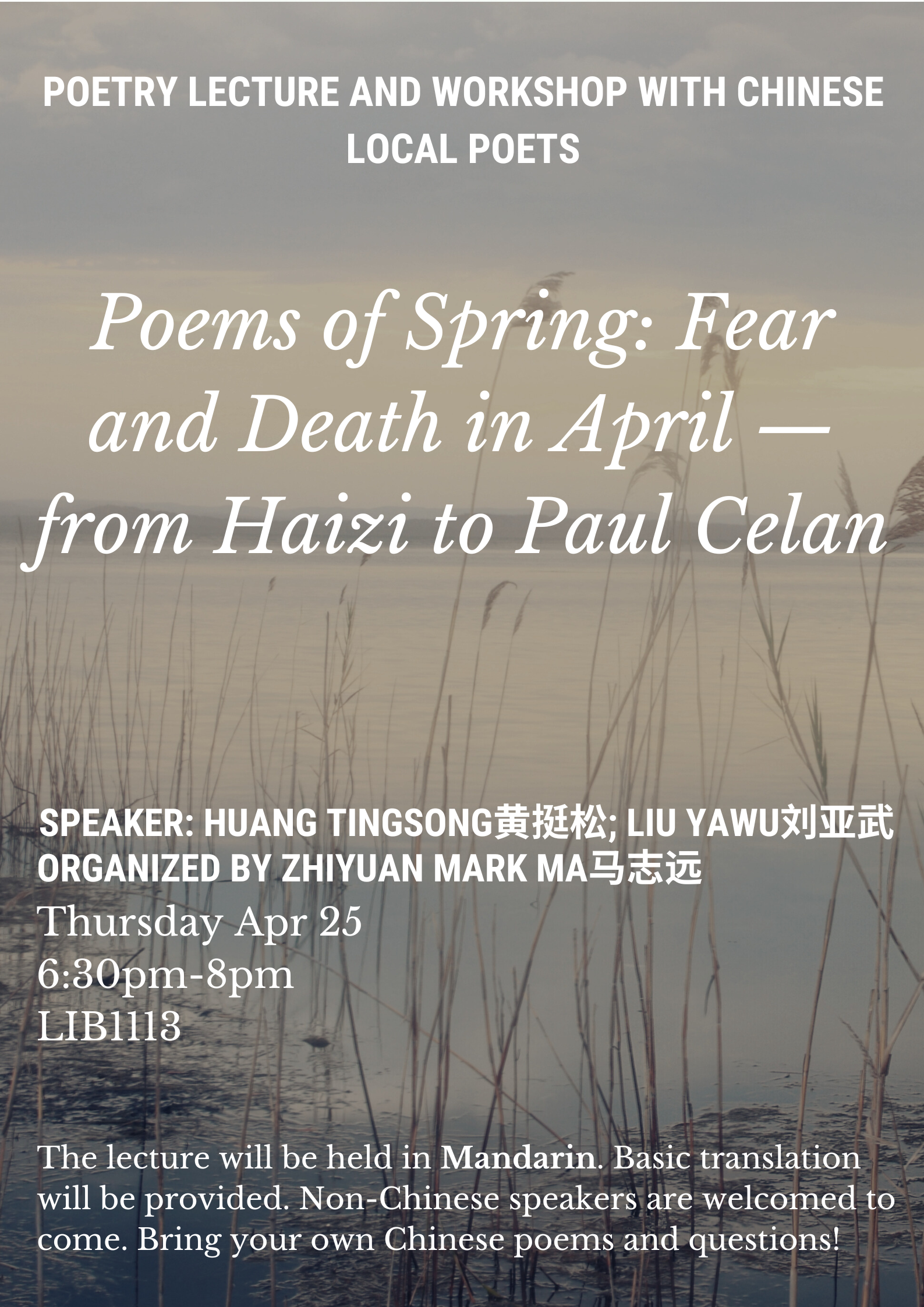
In 2023, I independently organized a poetry event on campus and invited two established Kunshan poets, Hunang tingsong 黄挺松 and Liu Yawu 刘亚武 to give a lecture titled “Poems of Spring: Fear and Death in April — from Haizi to Paul Celan” (春天的诗:四月的恐惧和死亡——从海子到保罗·策兰). I completed every aspect of the event on my own, including planning, coordination, hosting, and translation. The lecture was conducted bilingually, and Professor Stephanie Anderson, along with many students interested in both Chinese and English poetry, participated in the event. There is much more that could be said about these exchanges. Overall, for a considerable period of time, I have been actively working to foster connections and interactions between DKU and local poets. I am fortunate that this current project has provided sufficient funding to support more focused collaboration and exchange, as well as the production of several meaningful outcomes. I also hope that the work we have done through this project will make it easier for future DKU students with strong poetic interests to find their literary communities.
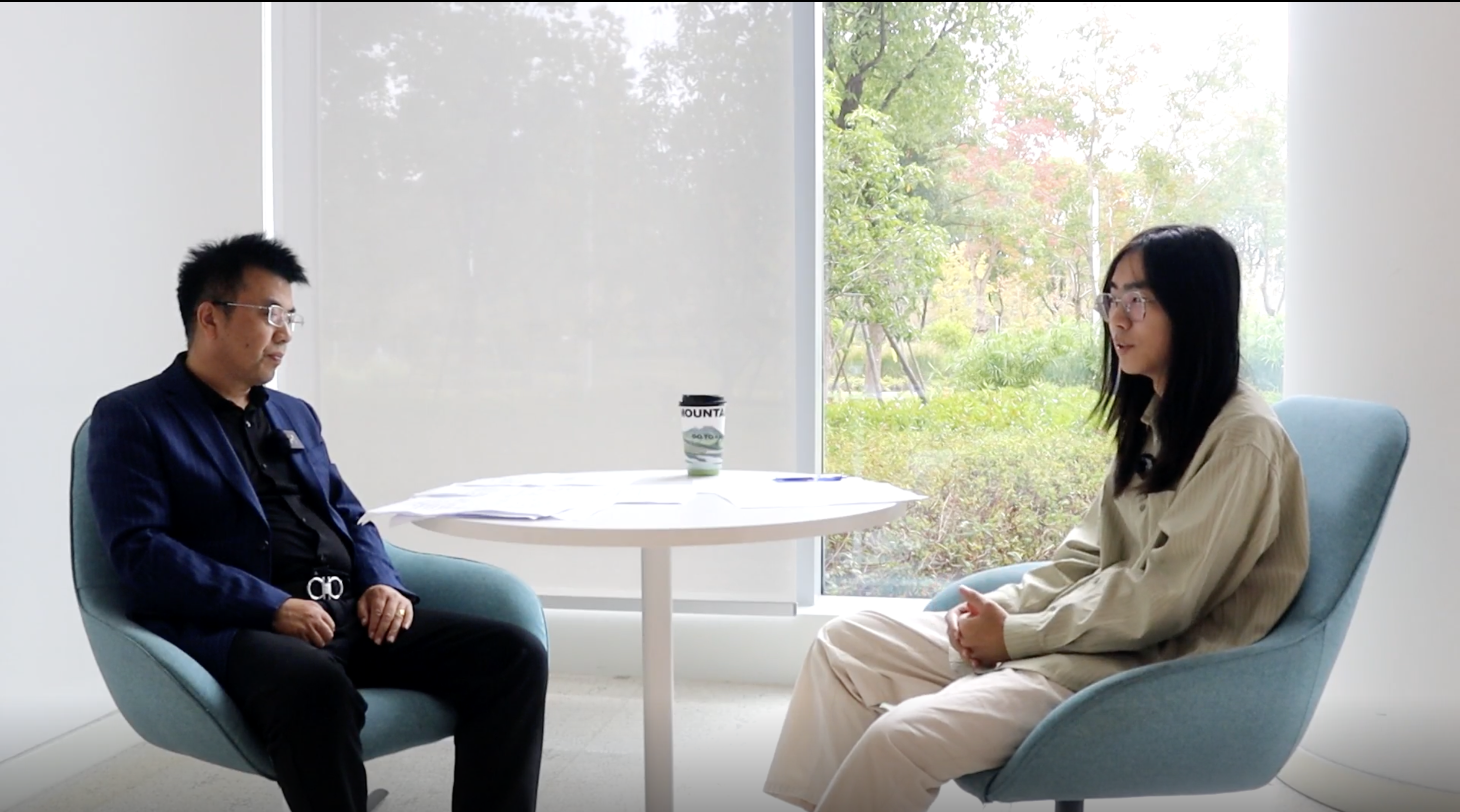
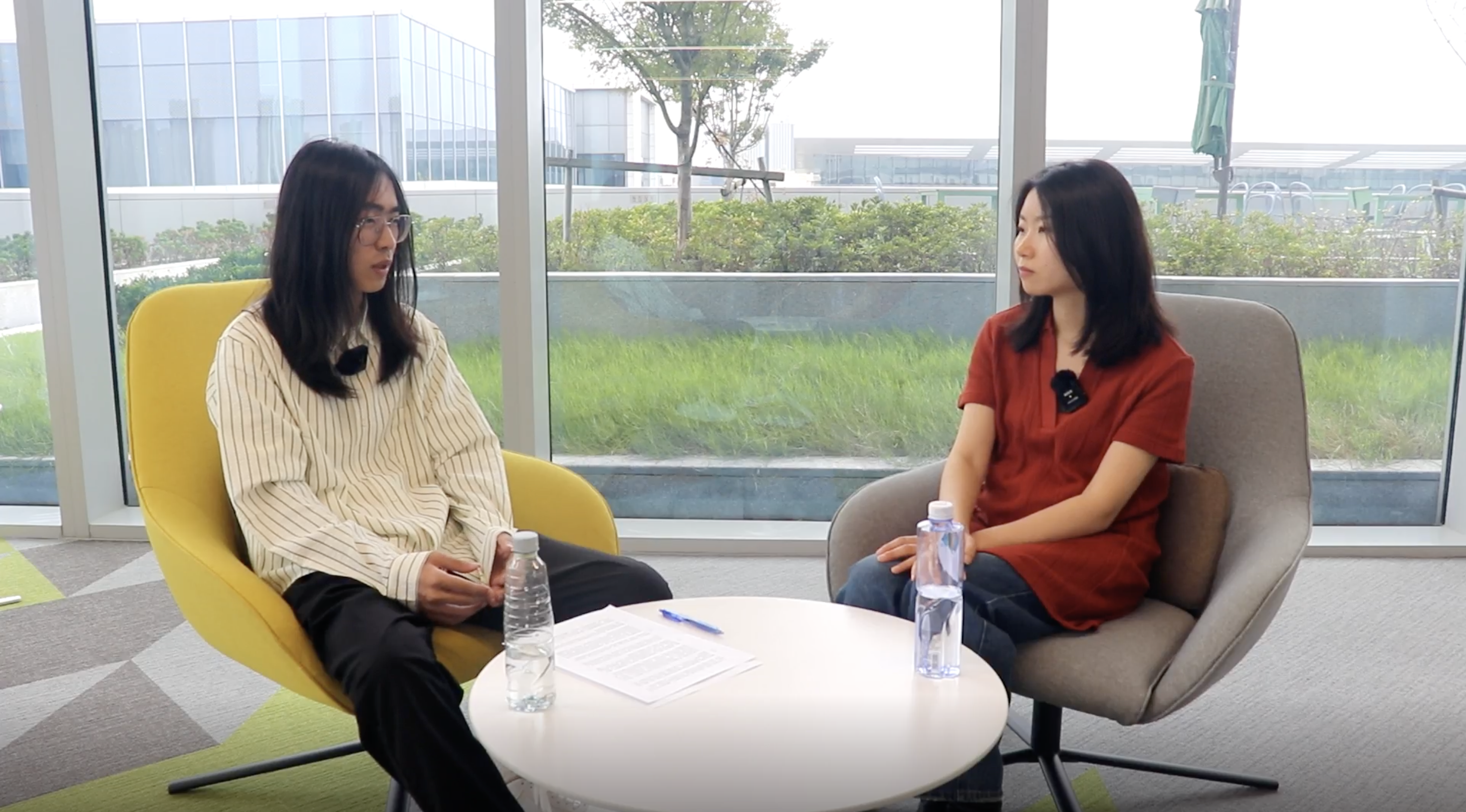
For this project, I would say that it has offered me several new opportunities, enabling me to accomplish things that I previously had no chance to pursue. We conducted multiple in-depth interviews with poets from Kunshan, as well as a group interview with the local literary community, the “Summer Breeze Poetry Group” (夏季风诗群). The project also prompted me to engage in close reading and translation of works by several established Kunshan poets. I have undoubtedly gained a lot through this process. In the context of poetry translation, direct communication with the poets themselves is, generally speaking, always beneficial. As Gayatri Spivak famously states, “translation is the most intimate act of reading.” Through this act of reading, my understanding of poetics has also been further deepened.
Your English translation of Kunshan-born poet Lu Jiateng’s work was published in ANMLY in October 2025. Could you share more about that experience and the challenges or decisions involved in translating her poetry?
I have already had multiple publications in Chinese prior to this, and I am also fairly familiar with the English-language literary publication scene. As a result, I did not encounter many challenges in this regard. I have also previously worked as an editorial assistant in poetry and translation for an international literary magazine, which has given me a clear sense of the editorial process and the submission strategies. ANMLY is a magazine that I regularly read and follow. It warmly welcomes translated works, and has a dedicated section for translation. At the time, I felt that Lu Jiateng’s poetry aligned well with the journal’s aesthetic and editorial focus, and therefore I submitted her work.
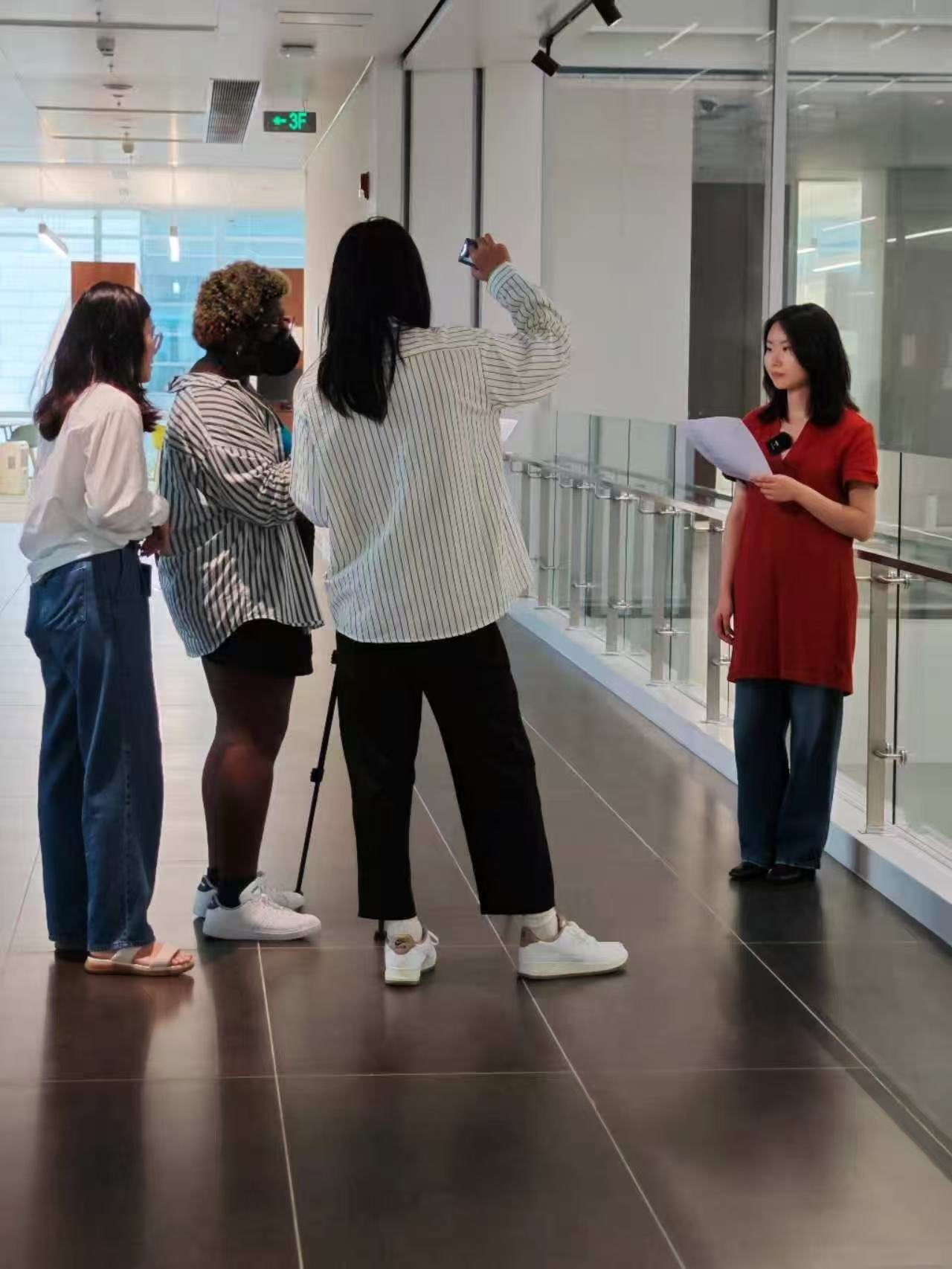
I first encountered Lu Jiateng’s poetry around 2021, and we have remained in contact since then. Our poetic styles share quite a lot of similarities, which made the process of translating her work particularly smooth and natural. As one of the outcomes of this project, I also conducted a featured conversation or interview with her, where we discussed a wide range of questions related to poetry. The text and video of this conversation will be released soon. Please stay tuned to our project.
Finally, could you share with us what is coming up for the project, and how do you see this project informing your future academic or creative plans, particularly in relation to the study and translation of contemporary Chinese poetry and literary translation?
First of all, we plan to come up with a more formal title for the anthology. The current title feels too straightforward and understated, so we will develop a more poetic name. Regarding the anthology, I have already completed approximately three fourths of the translations. The next steps will involve refining and finalizing the translated texts, completing the selection and editorial work in both languages for the anthology, and then moving on to book design and printing. The book is expected to be released in April.
At the same time, we are engaged in a range of collaborations. For example, we are currently working with DKU student artists to produce poetry broadsides for the exhibition. We are also planning a second visit to the Summer Breeze Poetry Group, and we hope to bring some students who are interested in contemporary Chinese poetry for further exchange with the local poets. The final exhibition is scheduled to take place from late April to early May in the HUM Space.
For me personally, I see this project as a good beginning. I had already completed a lot of poetry translation before this, but I had not seriously envisioned myself as a literary translator. My primary focus had been on poetry and poetics rather than on translation. I think that for literary translators, practice may in many cases be more important than theory, and therefore the experience I have accumulated through this project is unquestionably valuable. I have also received much helpful advice from Professor Stephanie Anderson and Professor Ye Odelia Lu. In terms of my own outcomes, I have recently had a good number of publications in English literary journals, including Washington Square Review, Poetry South, SAND Journal, and ANMLY, with many more to come. Looking ahead, I am considering completing some book-length translation projects and seeking publication.