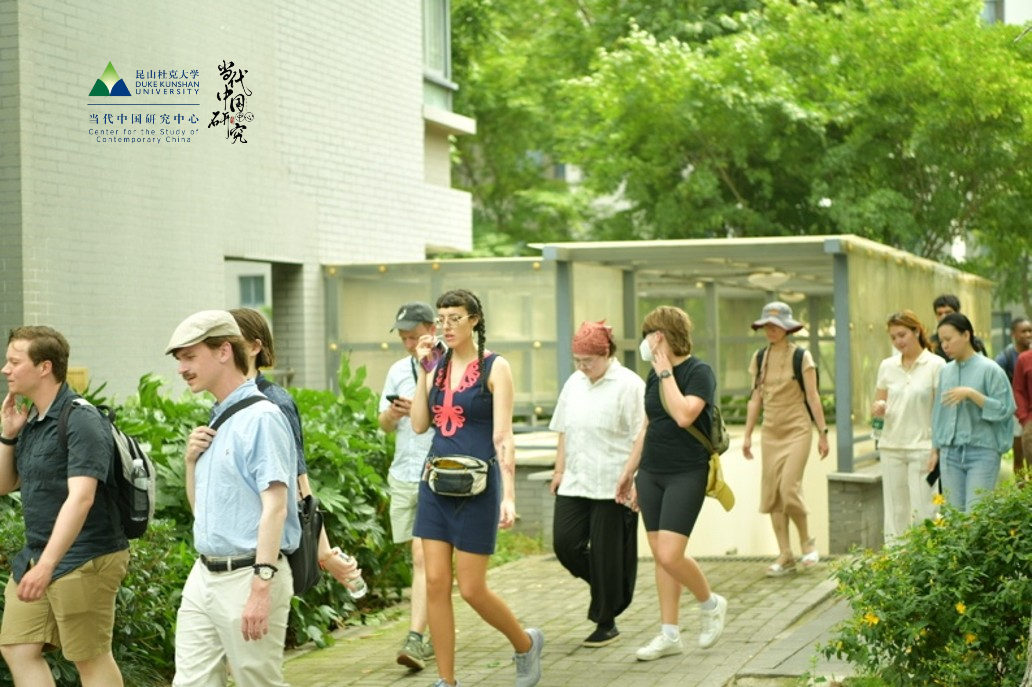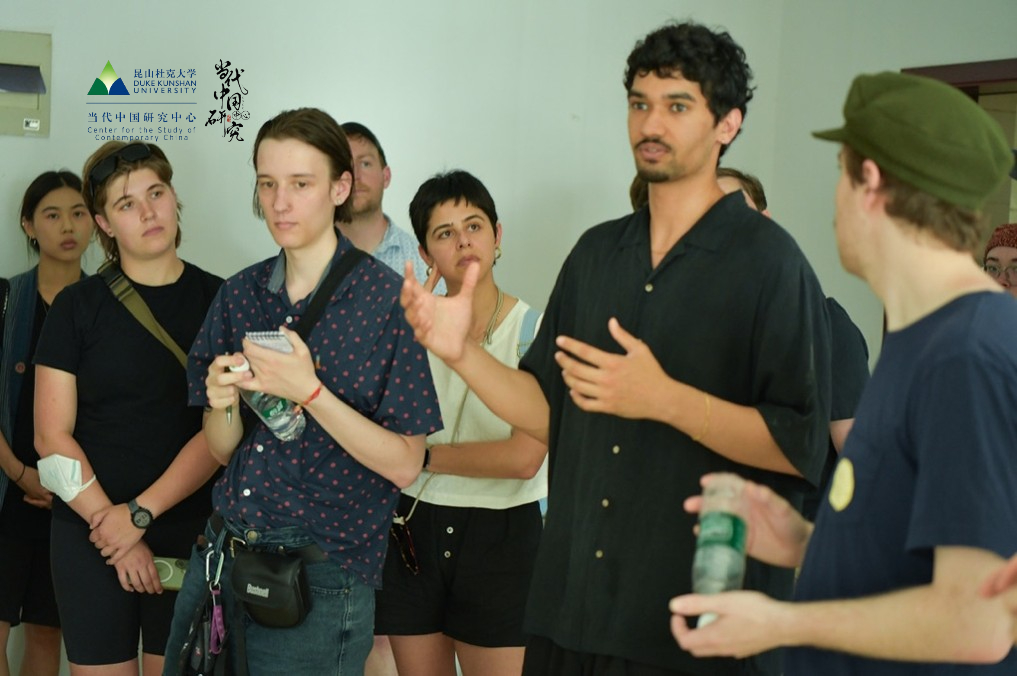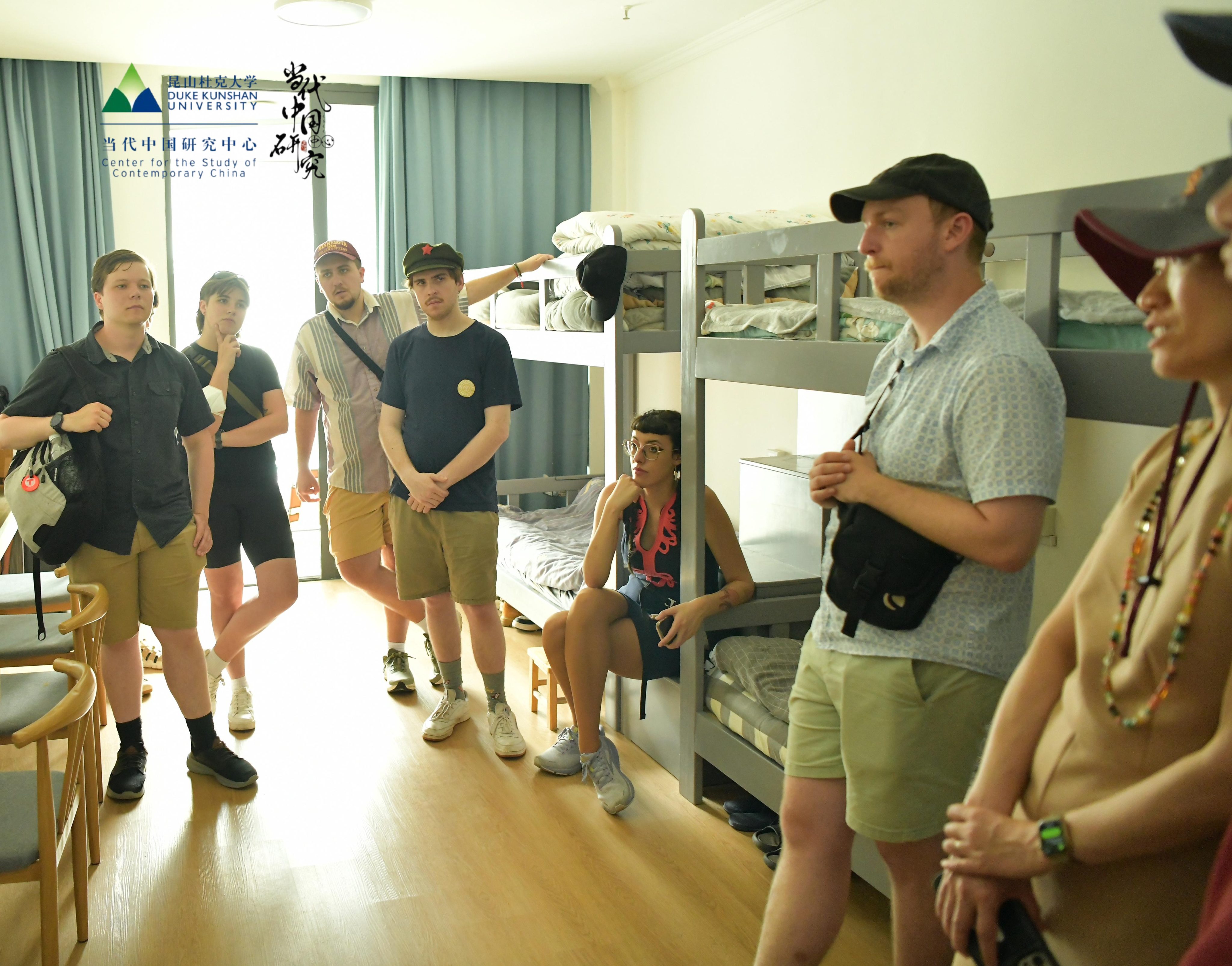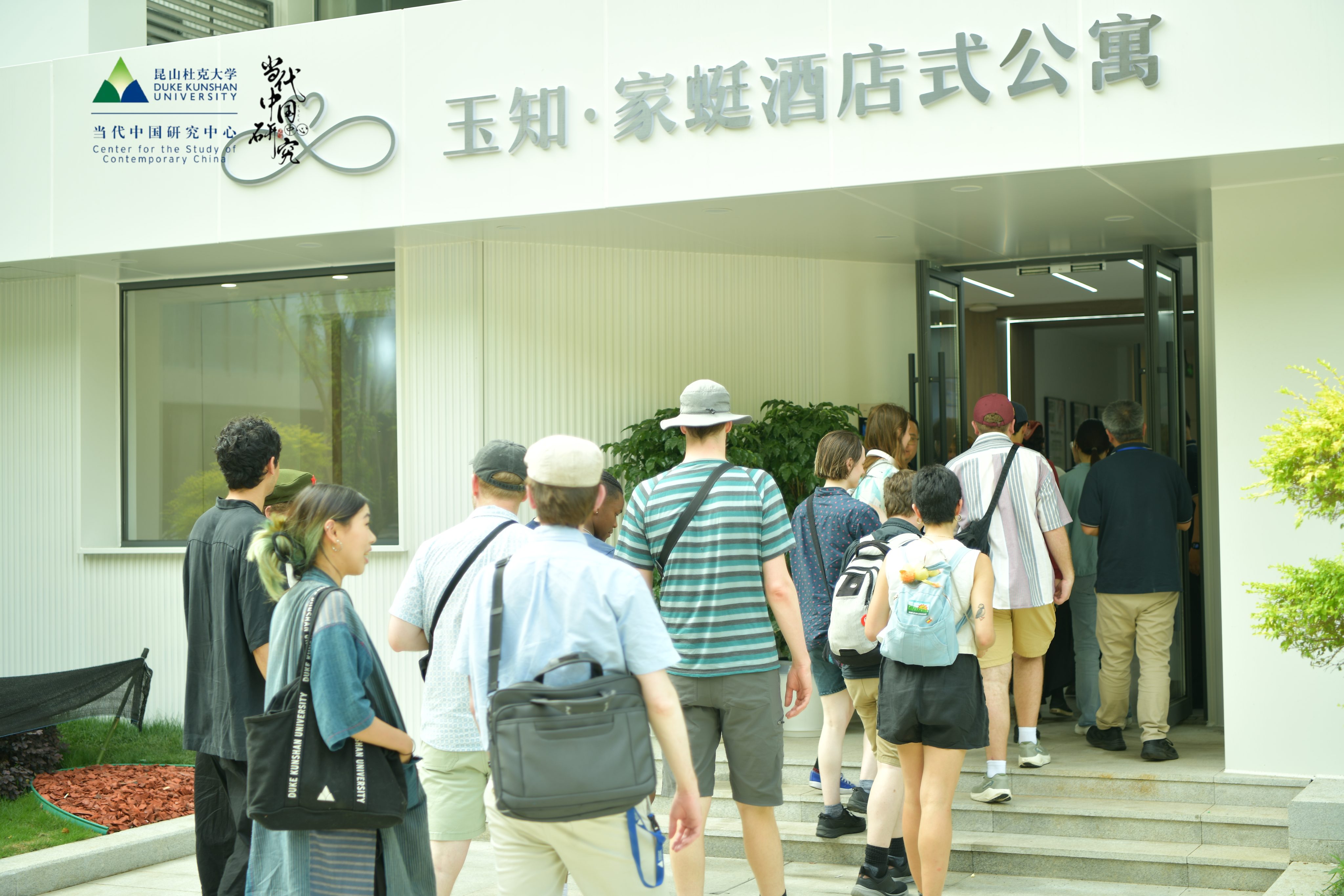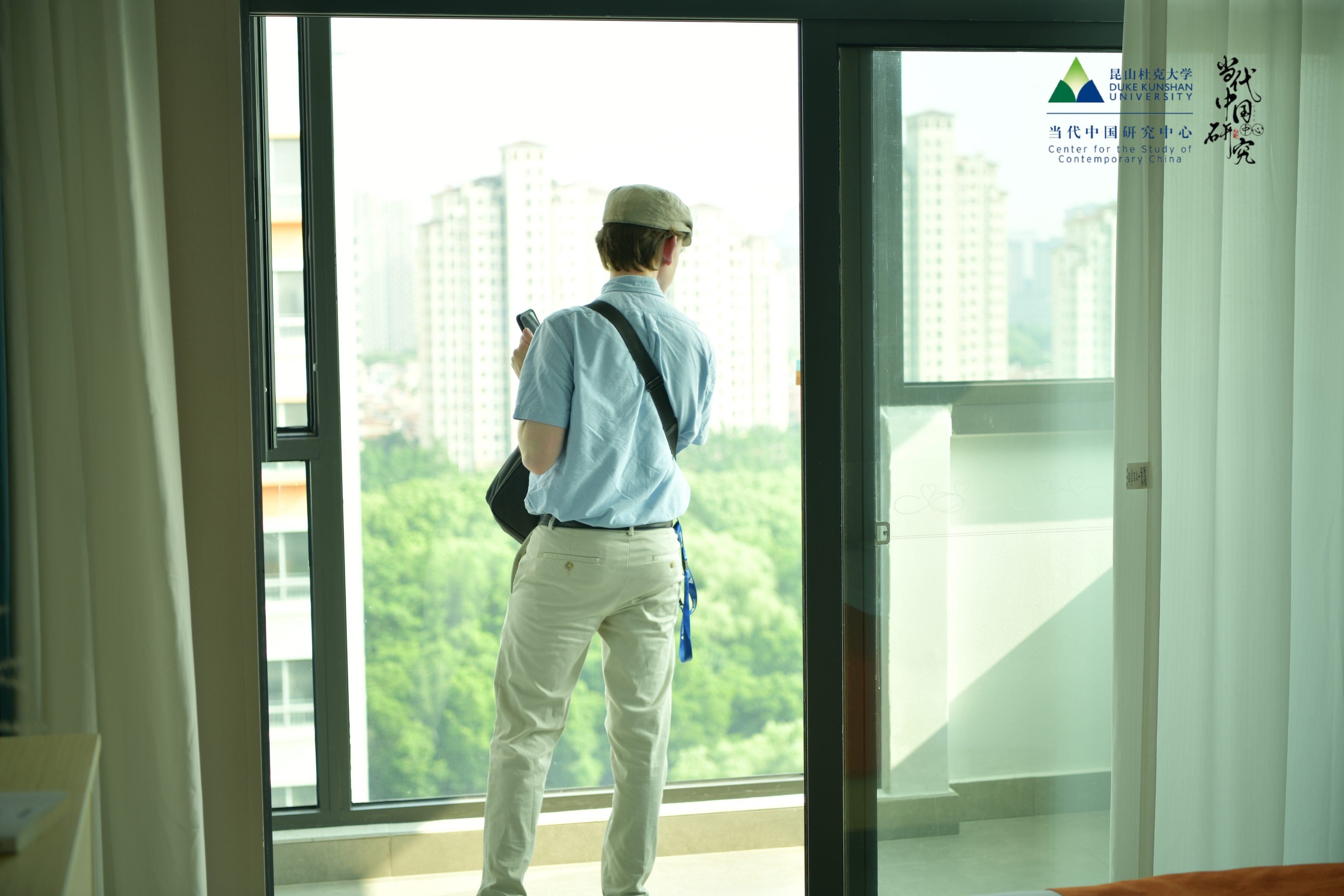

On May 28, 2026, students and faculty from DKU, Wuhan University, and University of Minnesota joined “Exploring Kunshan with Urban Scholars: Housing, Development and the Entrepreneurial City,” a field-based academic activity that helps connect urban scholarship with real-world observation. The Center for the Study of Contemporary China (CSCC) and DKU Office of Undergraduate Studies (UG) sponsored this activity.
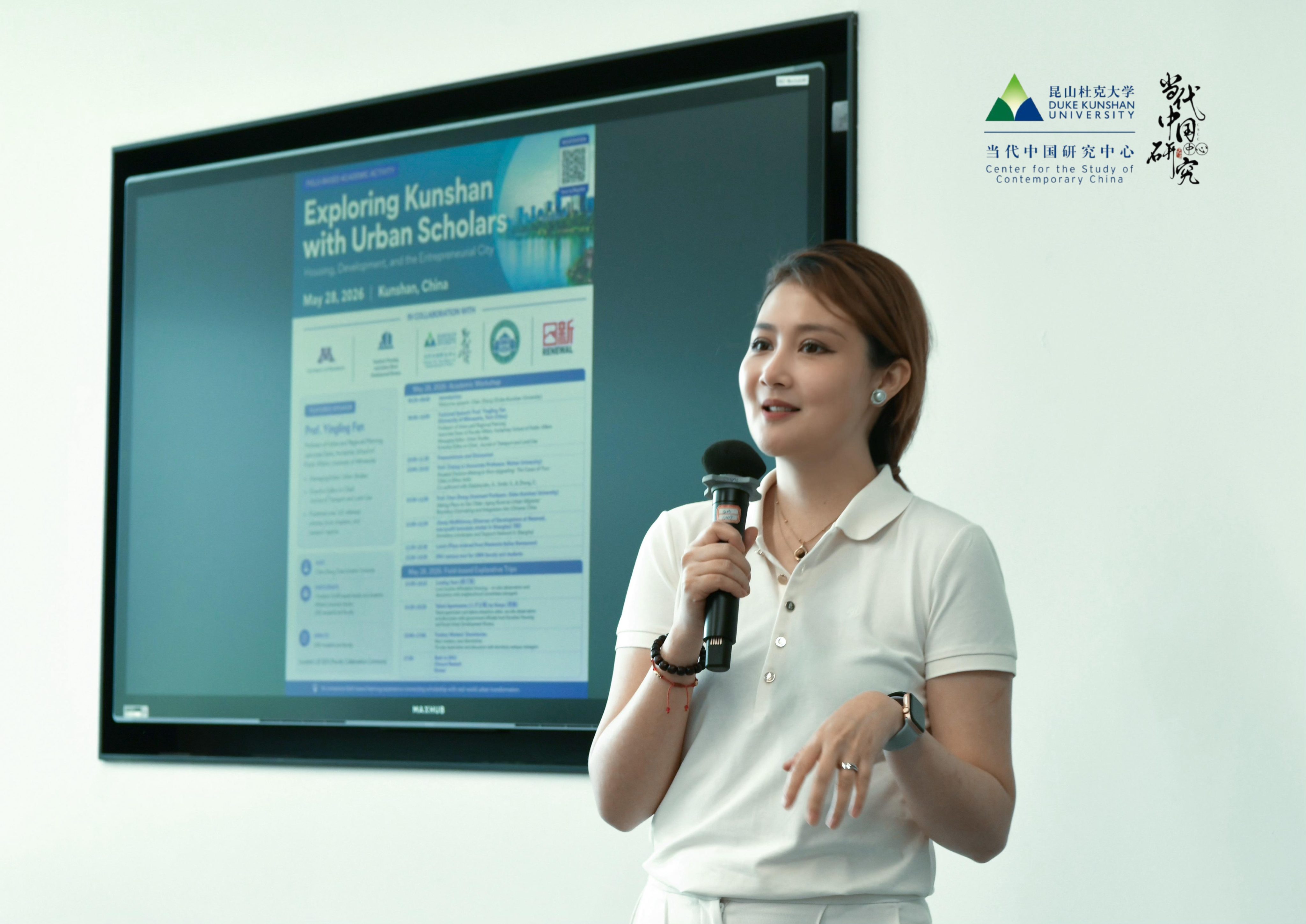
The day began with an academic workshop with presentations and discussions on urban planning, housing, slums, and support networks for homeless people in Chinese cities. The workshop began with opening remarks by Prof. Chen Zhang of Duke Kunshan University, who is also a Ph.D. alumna of University of Minnesota. She welcomed participants, then introduced the city of Kunshan and Duke-Kunshan University.
Prof. Yingling Fan, Professor and Associate Dean of Humphrey School of Public Affairs at University of Minnesota, invited participants to imagine a more humanistic city. Such a conceptualization shifts urban transportation from a system of movement to one that supports dignity, belonging, equity, and human flourishing.
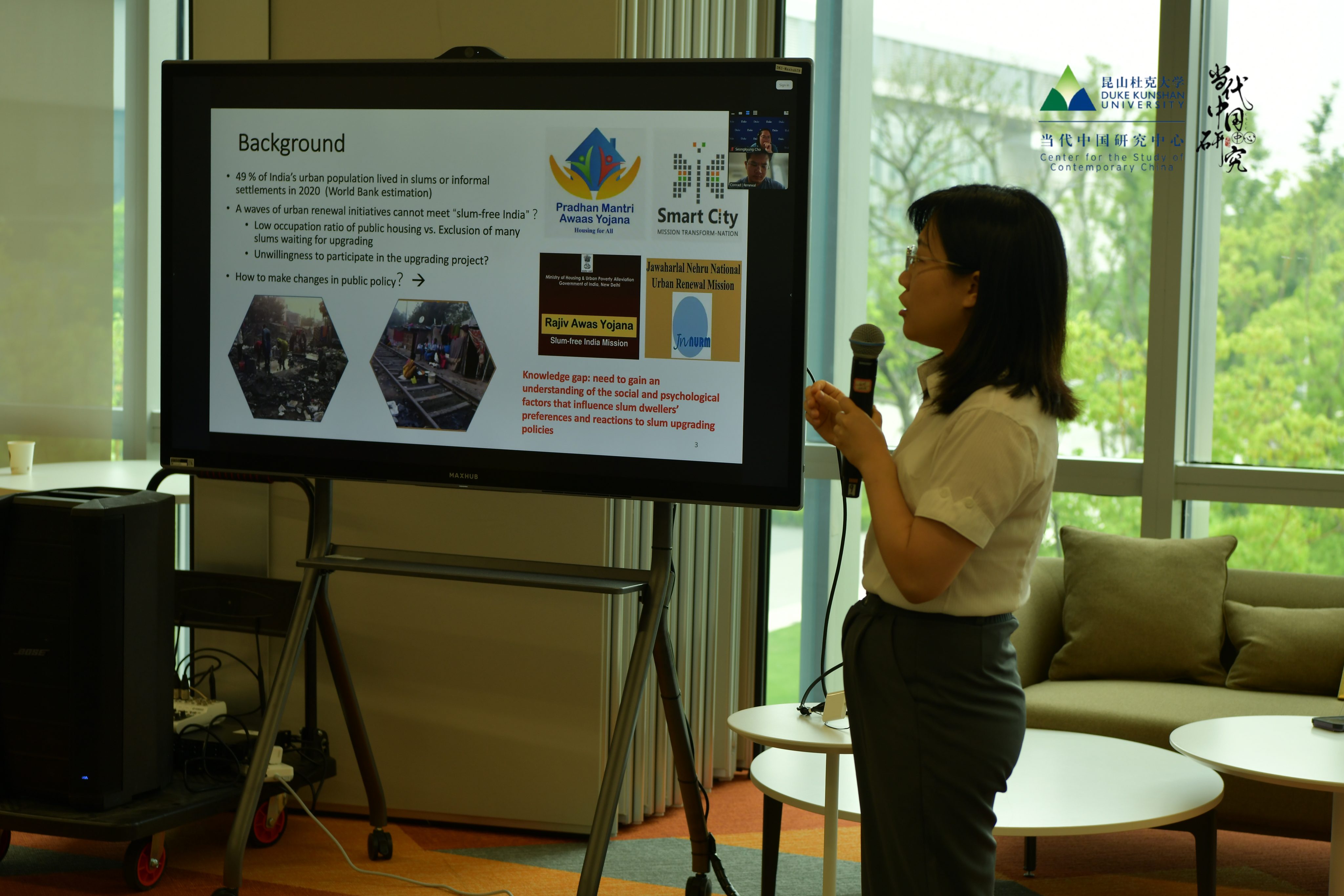
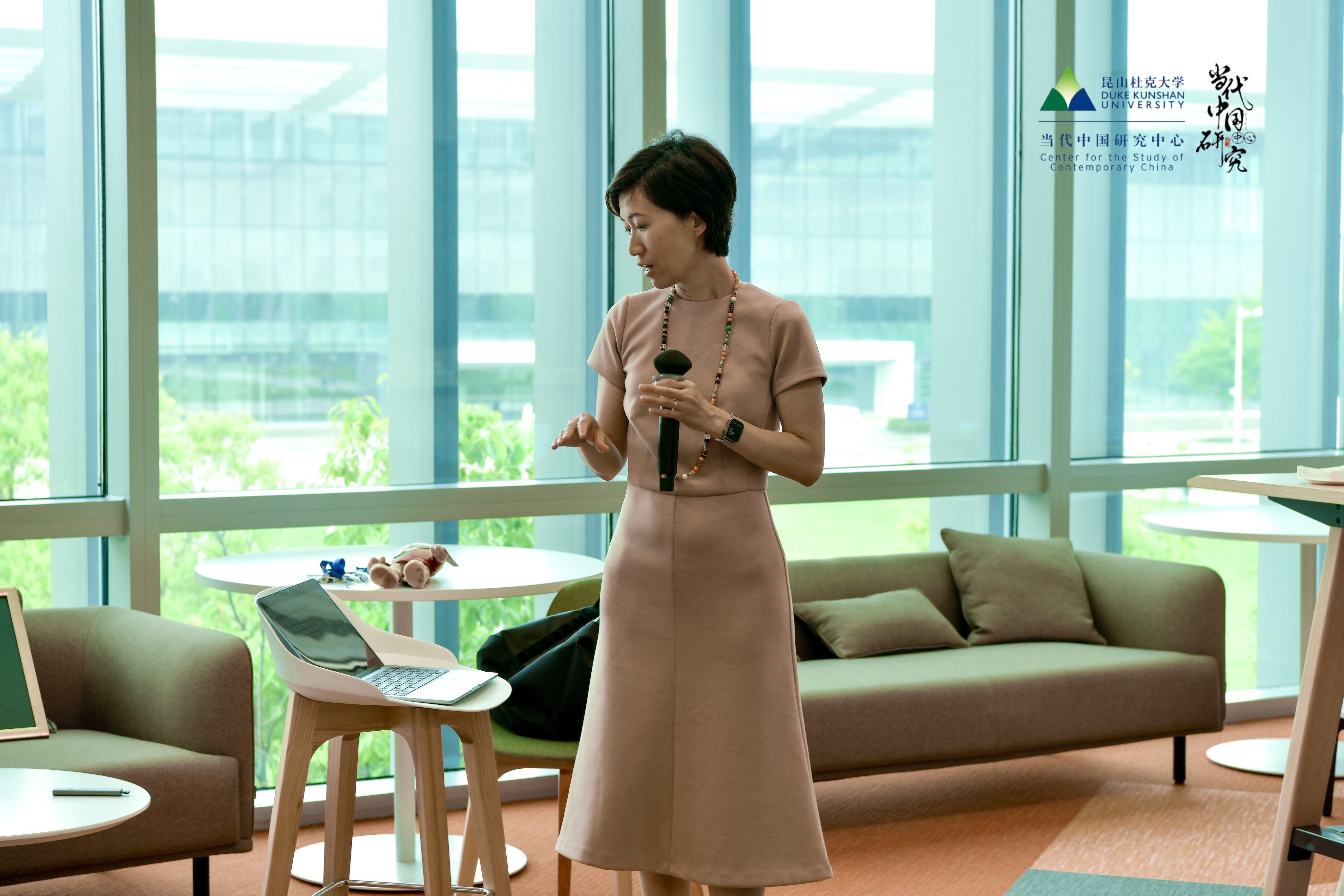
Prof Ziming Li, Associate Professor of Wuhan University, examined slum grading in four cities in Bihar, India and showed how residents’ decisions are shaped by family needs, neighborhood ties, and everyday strategies for navigating uncertain public services. Her research innovatively highlighted that “situated individuality” can encourage support for in-situ upgrading while making relocation more complex.
Prof. Chen Zhang then presented research collaborated with Prof. Seongkyung Cho, on housing difficulties and fertility intentions in China. This research moves beyond homeownership to examine lived housing conditions such as affordability, crowding, privacy and residential stability.
Conrad Pan from Renewal introduced the grassroot organization’s work supporting people experiencing homelessness in Shanghai through meals, showers, clothing, friendship, and vocational training, while also sharing its funding challenges and future hopes for creating meaningful work through its tea program.
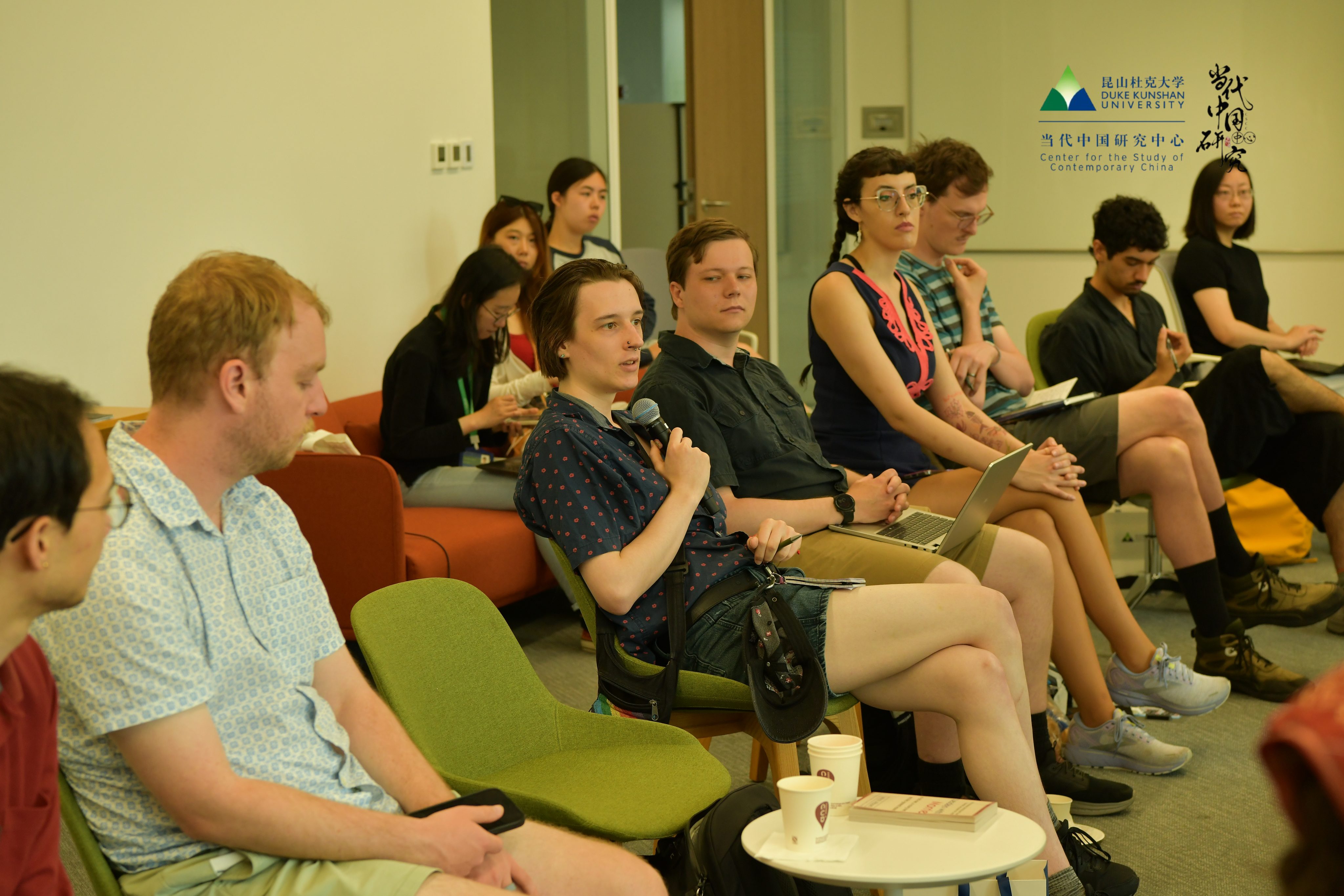
Following these presentations, students and faculty members actively joined the conversation and asked thoughtful questions.
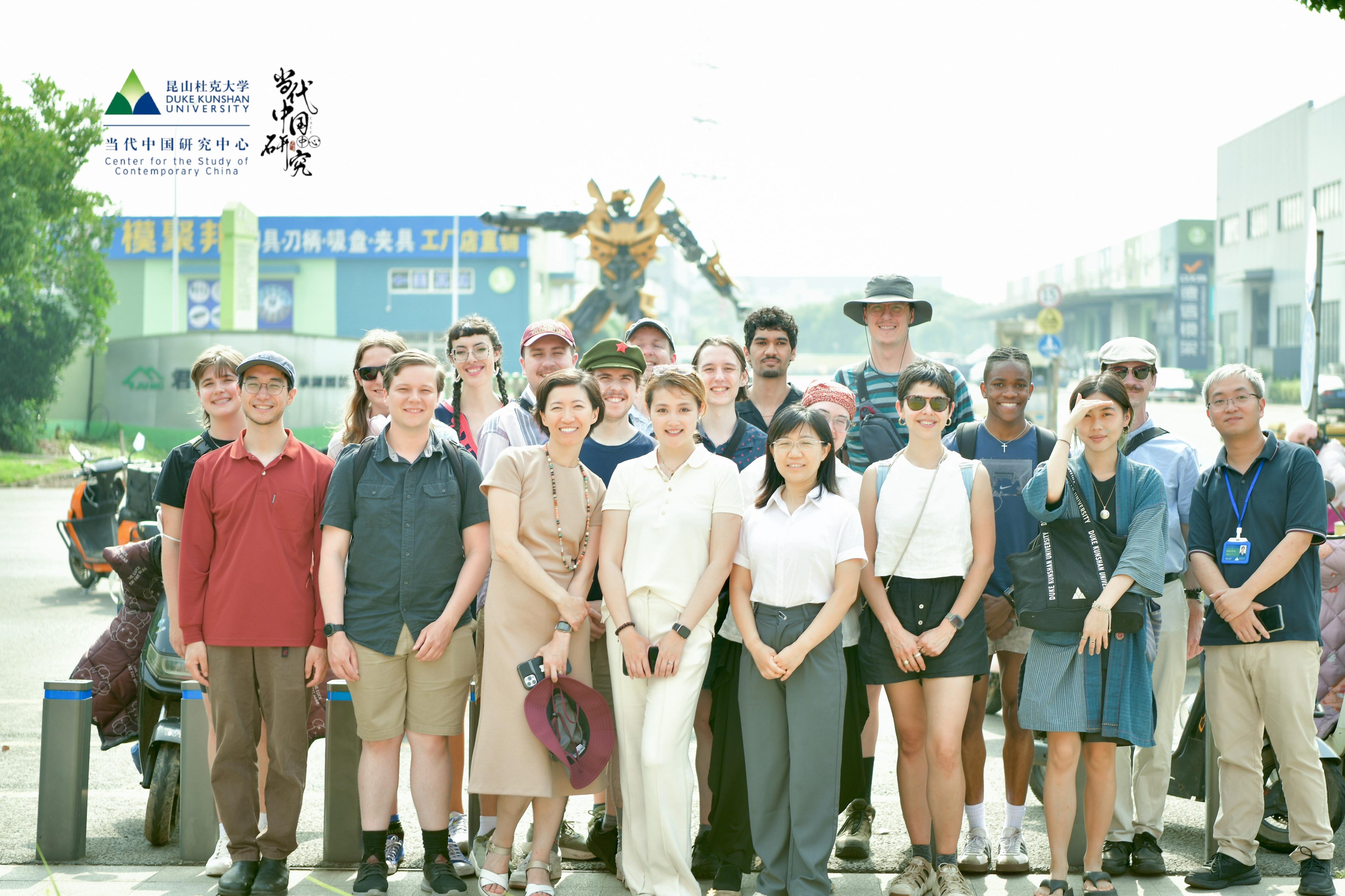
The afternoon field trip brought participants into three contrasting housing sites: low-income public housing at Louting Yuan (娄汀苑), factory workers’ housing at Fuyuan Neighborhood (福园邻里中心), and housing for global talents at Yangkeyuan (阳科园). Seeing these sites helped students understand that housing is a social construct that affects people’s needs, opportunities, mobility, and sense of belonging in the city. Students also learned how housing serve as a governance tool for social support. The case of Kunshan, long ranked among the wealthiest county-level cities in China, shows how government-built neighborhoods for workers and young professionals can be used to attract high-quality labor and support local economic development.