

On November 7, 2025, students from Duke Kunshan University’s CULANTH/MEDIA 201: New Media and Society and INFOSCI 301: Data Visualization and Information Aesthetics embarked on a field trip to the Zhouzhuang Mystery of Life Museum in Kunshan. They were guided by Prof. Fan Liang and Prof. Luyao Zhang, lead and co-lead of the the Digital Technology and Society Cluster at the Center for the Study of Contemporary China, as they analyzed a series of cross-disciplinary subjects ranging from biological data visualization to how ethics and aesthetics shape public perception, and how digital curation can serve both education and empowerment.
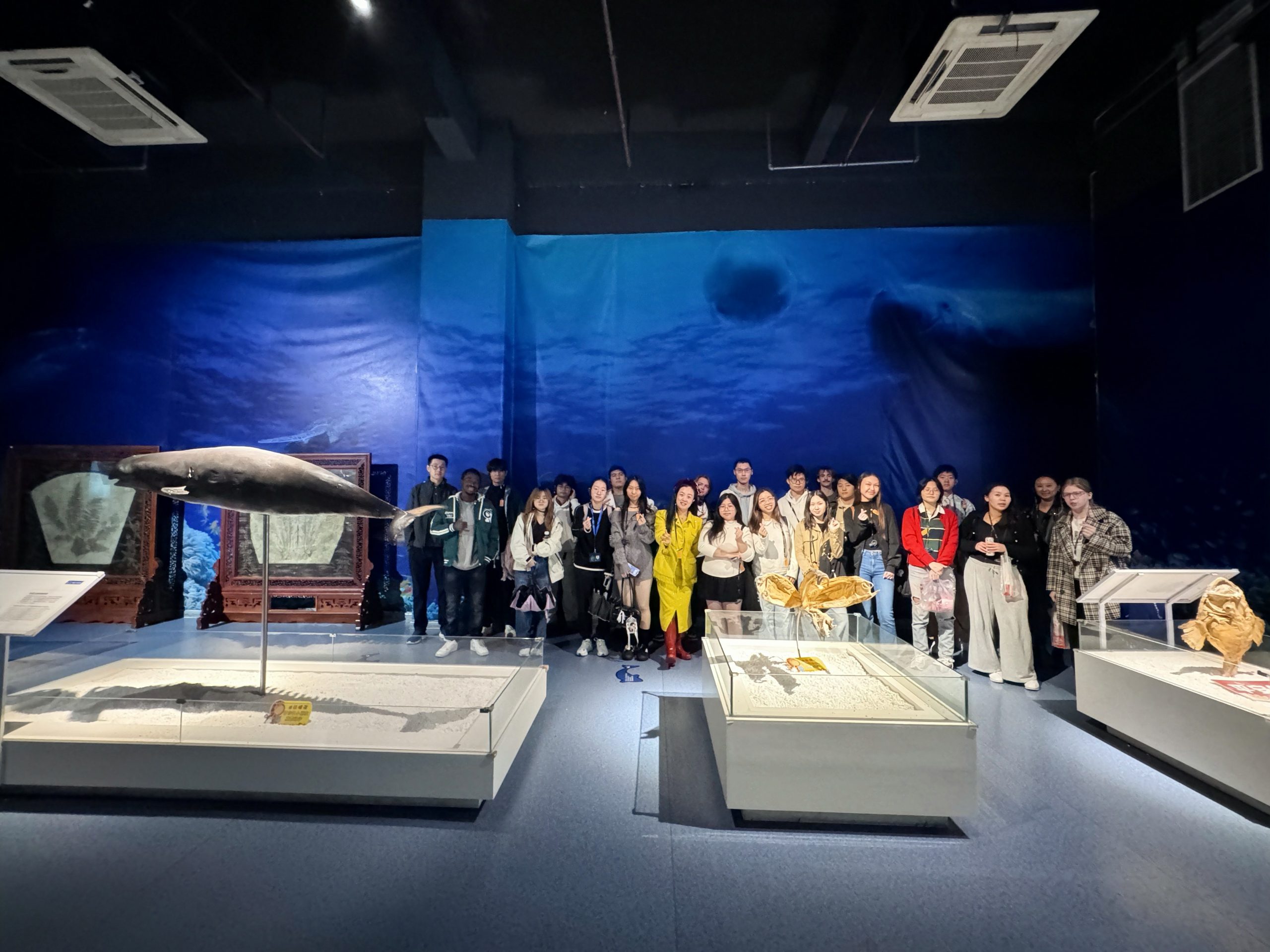
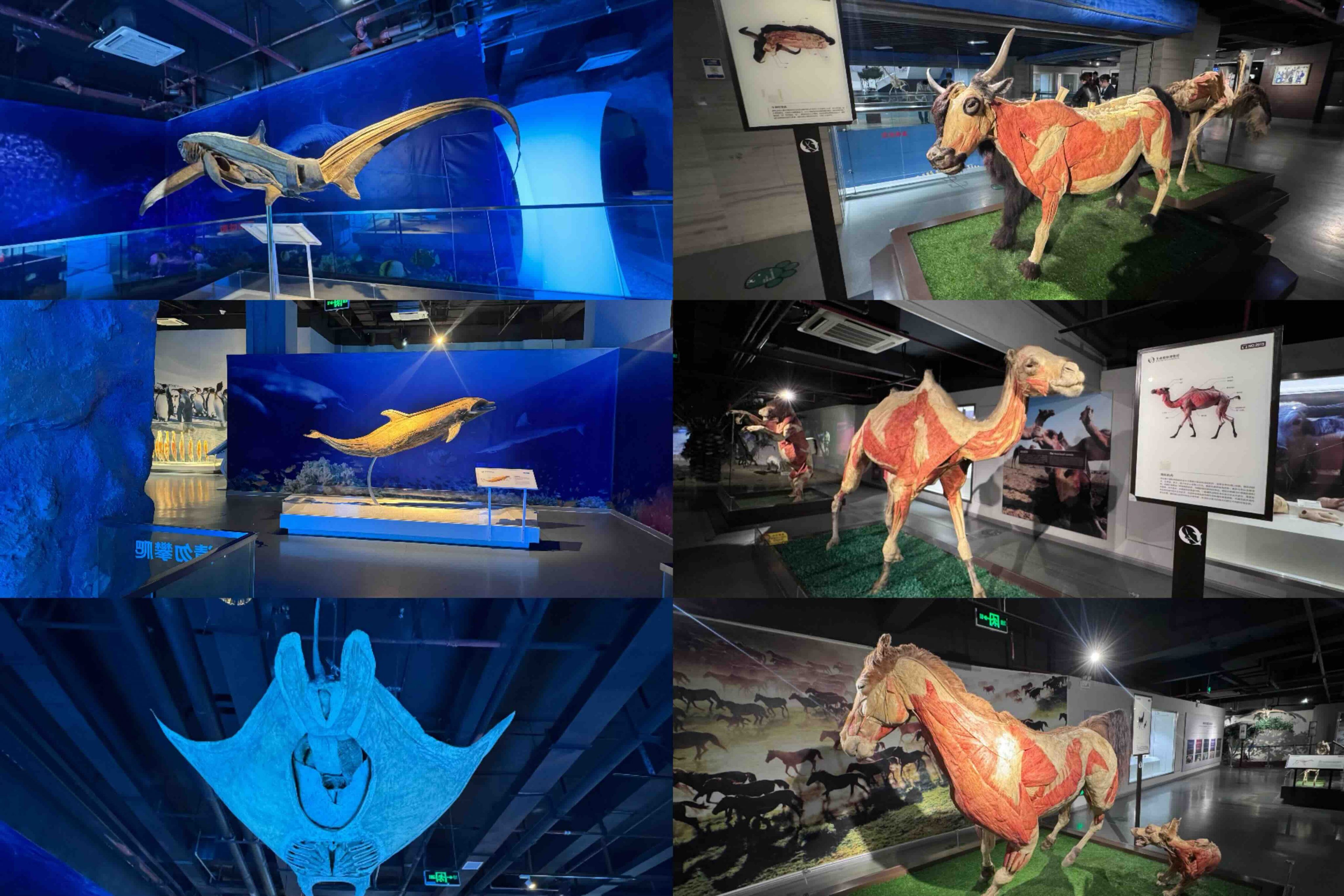
The Zhouzhuang Mystery of Life Museum integrates biological research, artistic exhibition, and digital innovation. The museum’s three world-class exhibition halls — Soul of the Ocean, Kingdom of Vertebrates, and Human Body World — have toured more than 140 cities across 40 countries. Its growing influence as a cultural landmark and as an international platform for science education is reflected in the numerous visits from distinguished guests and academic leaders.
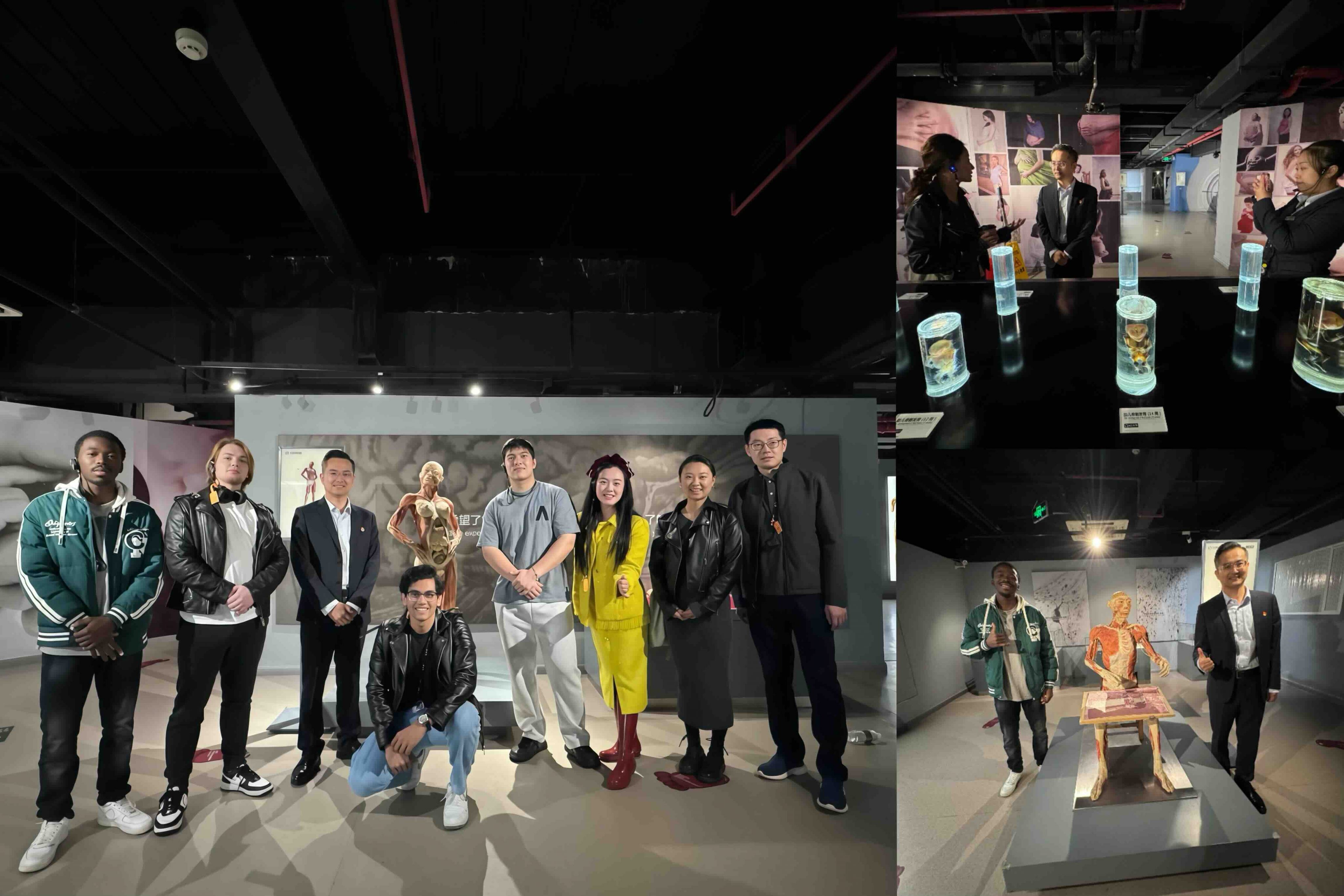
During the visit, Dr Haibin Gao, Director of the museum, met with the DKU delegation for an in-depth discussion about collaborative digital humanities practice. They discussed pathways for co-creating 3D modelling resources for community education, designing multilingual digital guides, and developing student-led exhibits aligned with the Sustainable Development Goals. Dr. Gao highlighted the museum’s national recognition and public-service ethos, underscored by philanthropy and the award-winning Mystery of Life science series museum partnerships that blend ethical storytelling, rigorous science communication, and community empowerment.
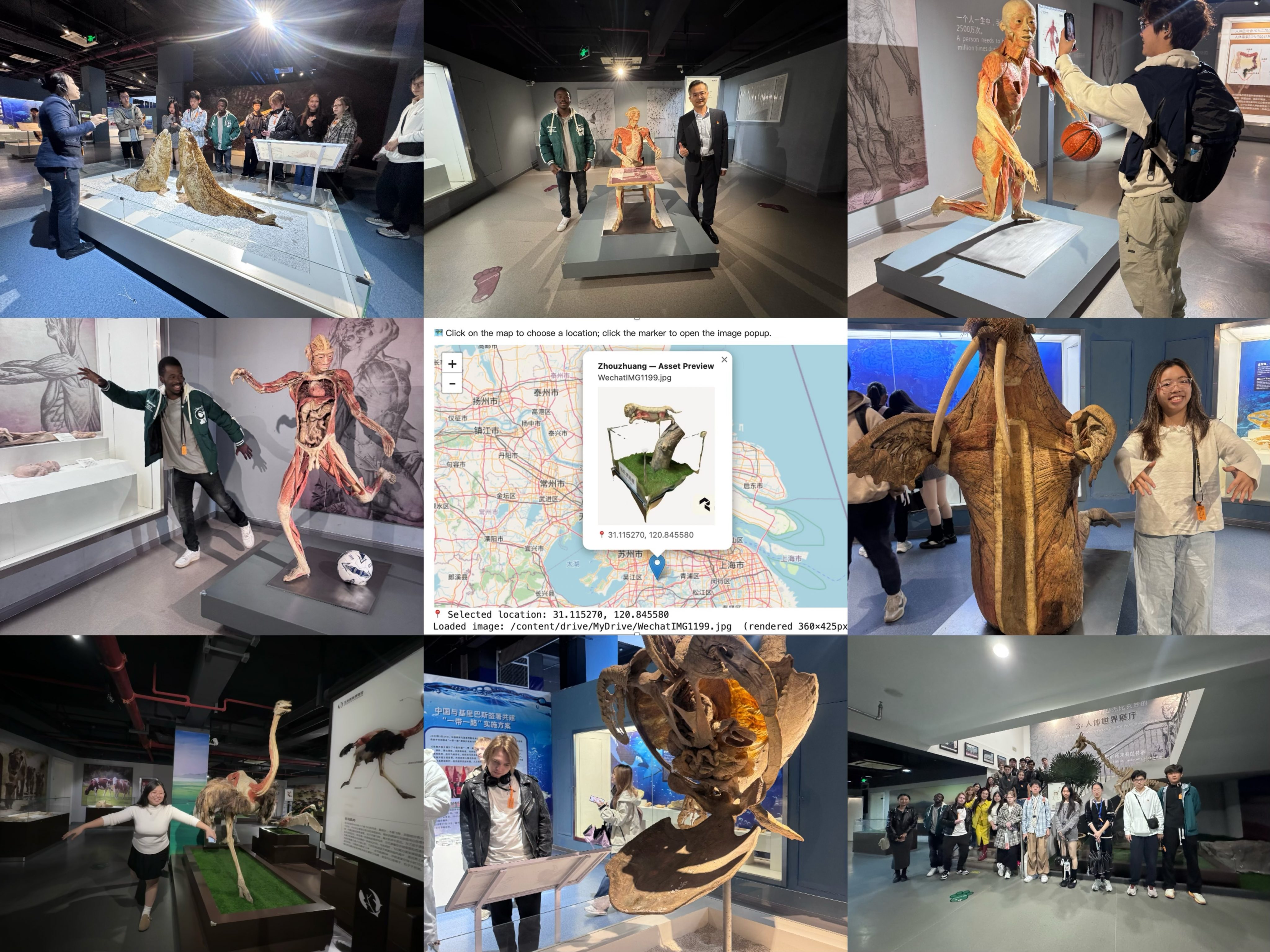
Inspired by what they had learned during the field trip, students created astounding multi-modal visualization portfolios that reflect the values of the courses CULANTH/MEDIA 201 and INFOSCI 301. During a follow-up reflection symposium in INFOSCI 301, Global Citizens in Action: Interdisciplinary Leaders Co-Designing Community Futures, Sohan, Peilin Wu, and Ji Wu showcased an interactive map focusing on endangered animal species; Weisheng Zhang and Jiaojiao Zhao designed a “stamp-collection journey” that transforms each exhibition area into a checkpoint for learning and exploration; while Yaxuan Wang, Matvey Izmaylov, and Mingjiang Gao developed an interactive 3D animal-models app for children. As these INFOSCI 301 projects progressed toward the final showcase, they entered a collaborative ecosystem in which CULANTH/MEDIA 201 students—many of them first-year students—served as user-experience participants, offering structured feedback to refine design choices, accessibility features, and community impact. We look forward to the continued interdisciplinary exchange that weaves together data visualization, media literacy, and community-centered digital practice.
Building on the momentum from the Autumn 2025 field trip, the SocioTech Future Lab, led by both professors and the Mystery of Life Museum, plan to extend their collaboration through: co-created educational visualizations for museum audiences; cross-disciplinary student-led data visualization exhibitions; and joint research workshops connecting global and local knowledge in digital humanities. As the partnership continues, they envision transforming Zhouzhuang’s cultural landscape into a living classroom for global learning — where students, scholars, and community members work together to visualize the beauty and responsibility of life itself.’’
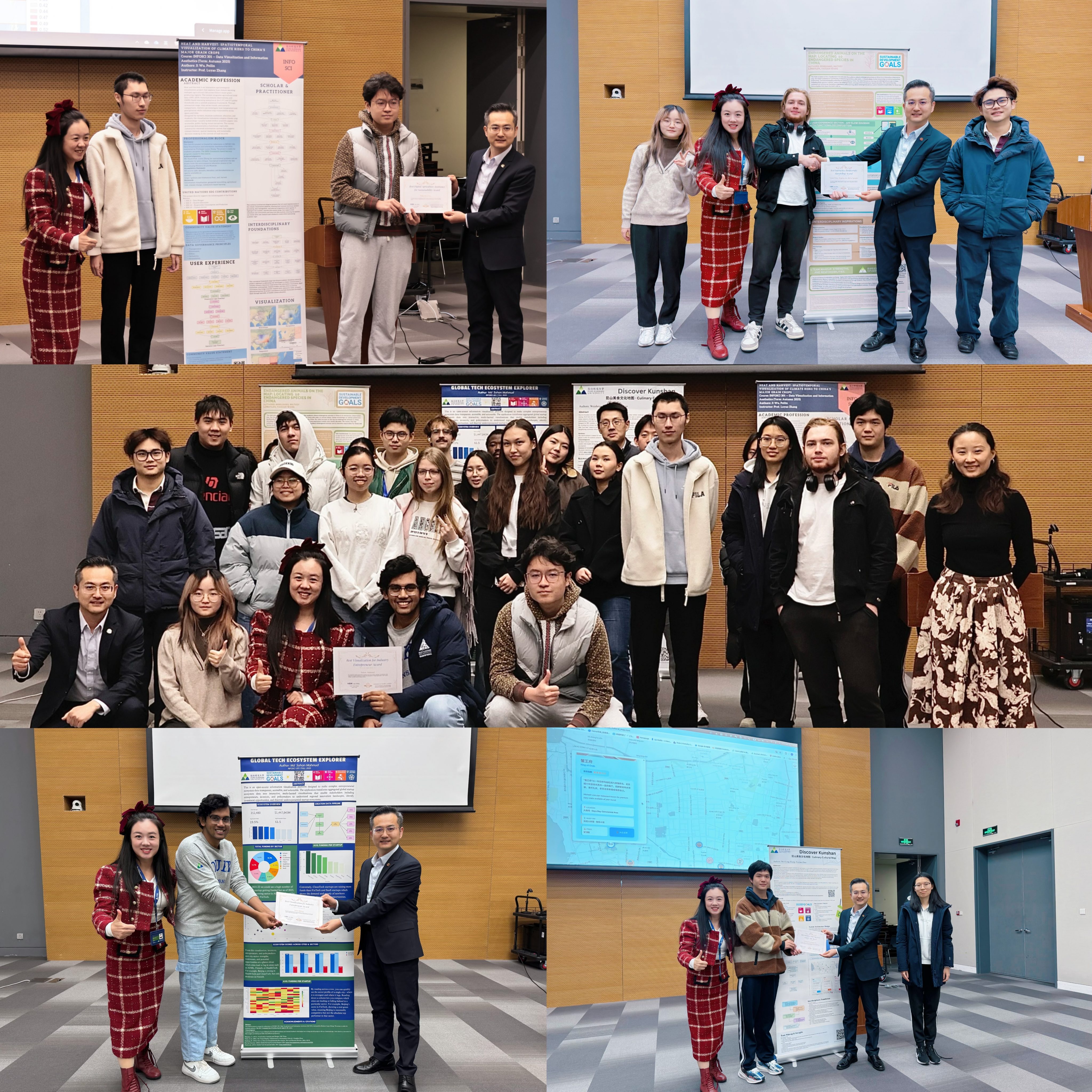
The 2025 Digital Humanity Field Trip demonstrated how interdisciplinary education can transcend academic boundaries. It brought together science, art, and community, showing that when learning becomes collaborative and civic-minded, it not only enriches students’ understanding but also empowers the local communities they serve and, in the meantime, serve global sustainable development goals. This field trip was made possible through the support and coordination of Jiawen Cai, Senior Coordinator for Undergraduate Academic Activities, and Isaac Zhu, Senior Undergraduate Academic Activities Coordinator, from the Office of Student Experience at Duke Kunshan University.
Draft by: Eric Duma
Advised by: Prof. Luyao Zhang and Prof. Fan Liang
Supported by: Shuqian Xu