Edit by: Chi Zhang | Photography by: Haozhe Lou
On April 27, the CSCC hosted its end-of-semester celebration and awards ceremony, bringing together faculty, students, and community members to mark the conclusion of the 2025–2026 academic year. The event served as both a moment of reflection on the Center’s activities and a recognition of the outstanding achievements and contributions of its community.
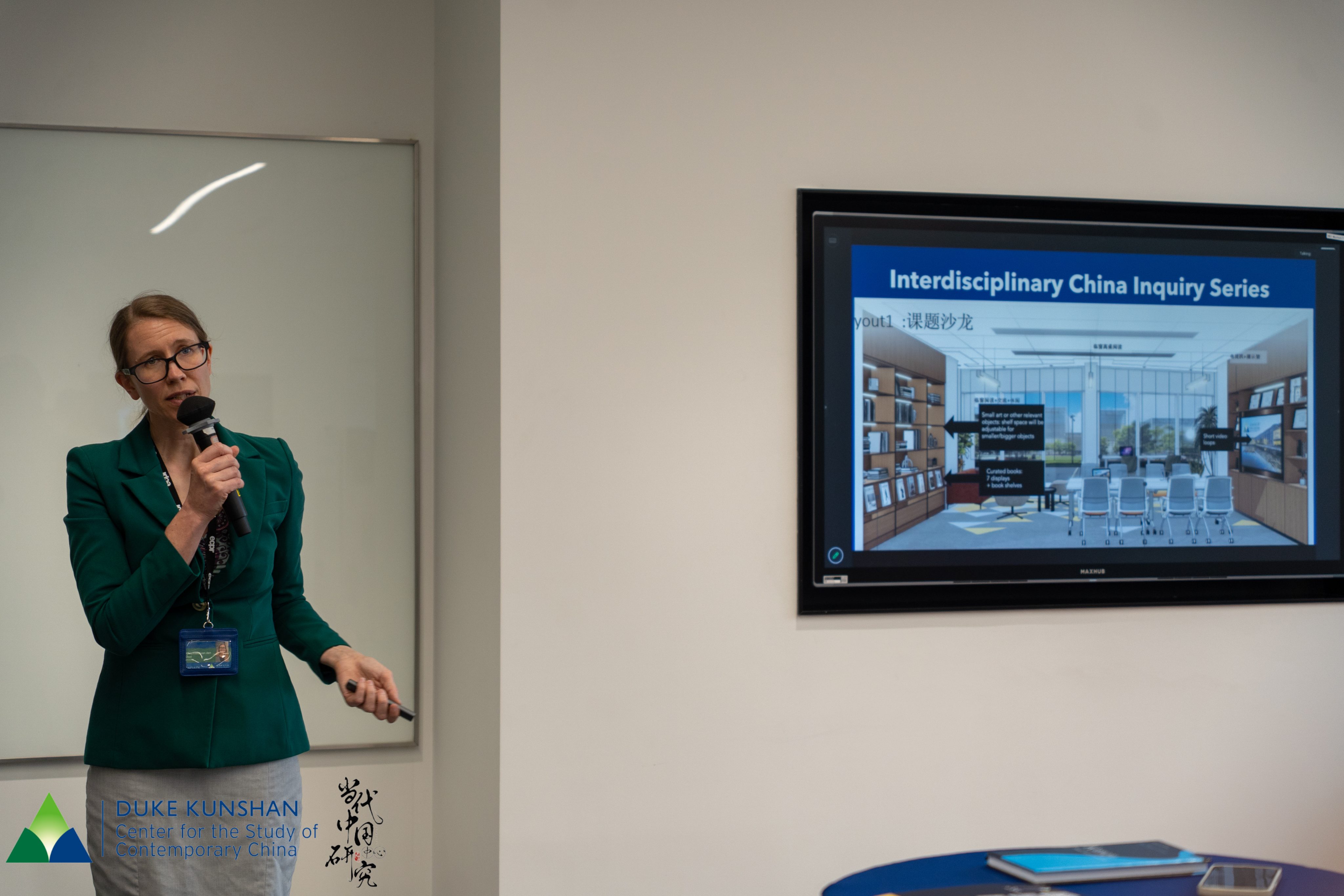
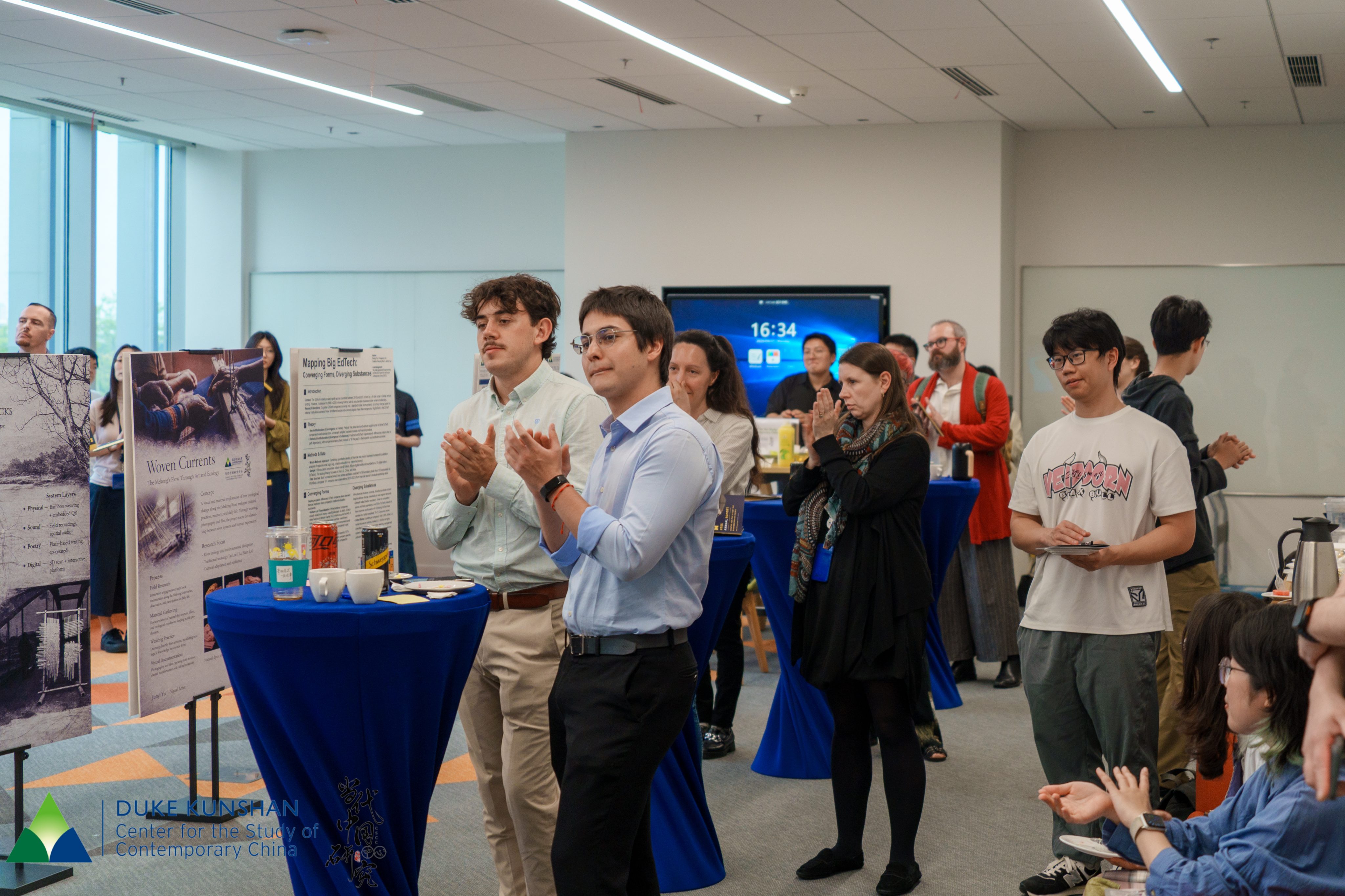
The event opened with remarks from co-director Annemieke van den Dool, who shared updates on the Center’s recent developments and future initiatives. She highlighted the relocation of the CSCC space from IB to AB and introduced plans for the Interdisciplinary China Series, set to launch in Fall 2026, which aims to showcase faculty and student work through diverse and innovative formats. It also featured a preview of the 2025 CSCC Annual Report, offering attendees an early look at the Center’s work and accomplishments over the past year.
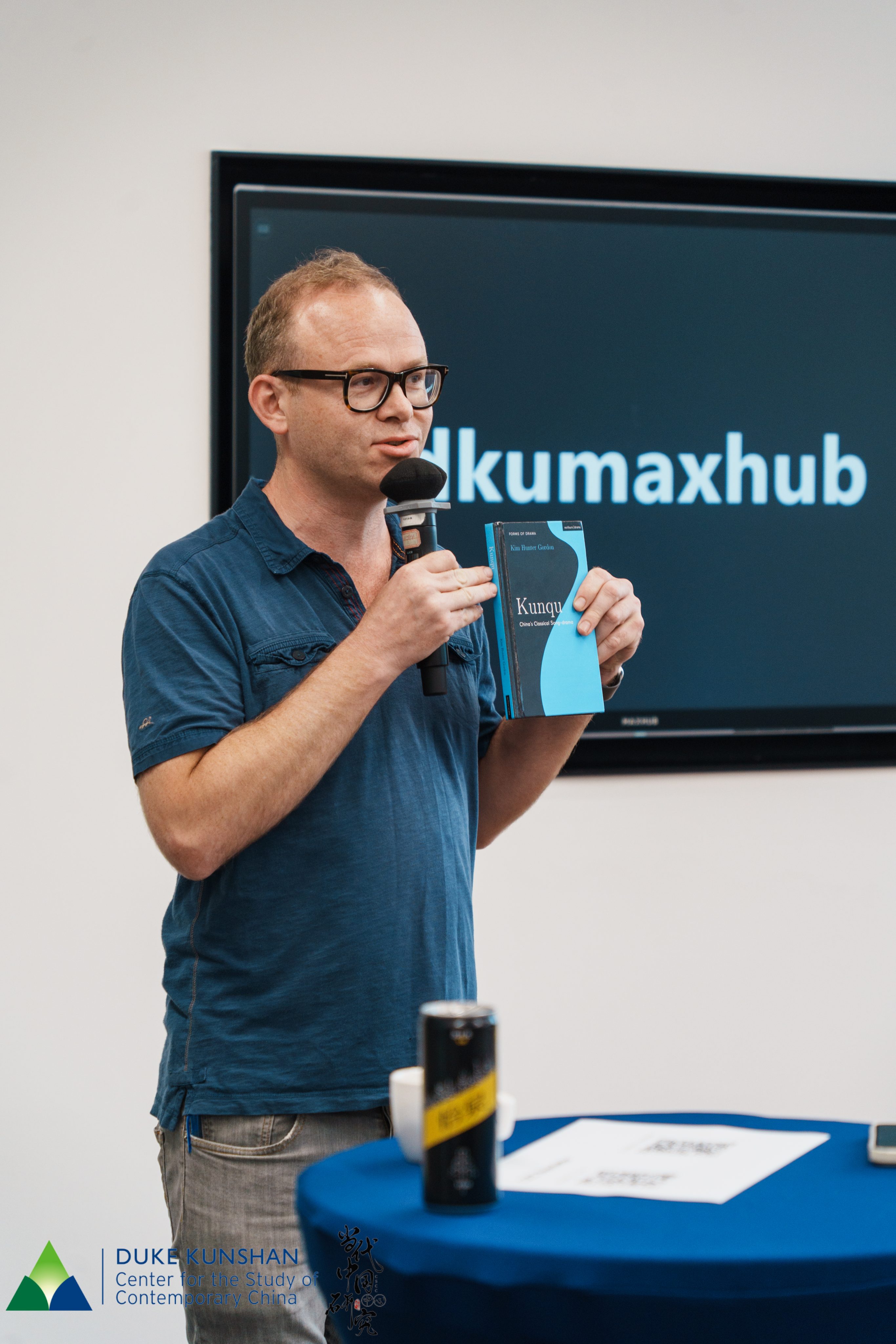
Complementing these updates, the program featured a faculty research sharing by Kim Hunter Gordon, who introduced his recent book, Kunqu: China’s Classical Song-drama. His presentation highlighted the musical and theatrical traditions of Kunqu and offered insights into its historical development and cultural significance.
A central highlight of the event was the presentation of four annual awards by the CSCC Award Review Committee, recognizing excellence in research, mentorship, and community engagement. Representing the committee, Jiahua Yue presented the Outstanding Student Scholar Award and the Outstanding Faculty Scholar Award, while Andrew Field presented the Outstanding Faculty Mentor Award and the Outstanding Community Service Award.
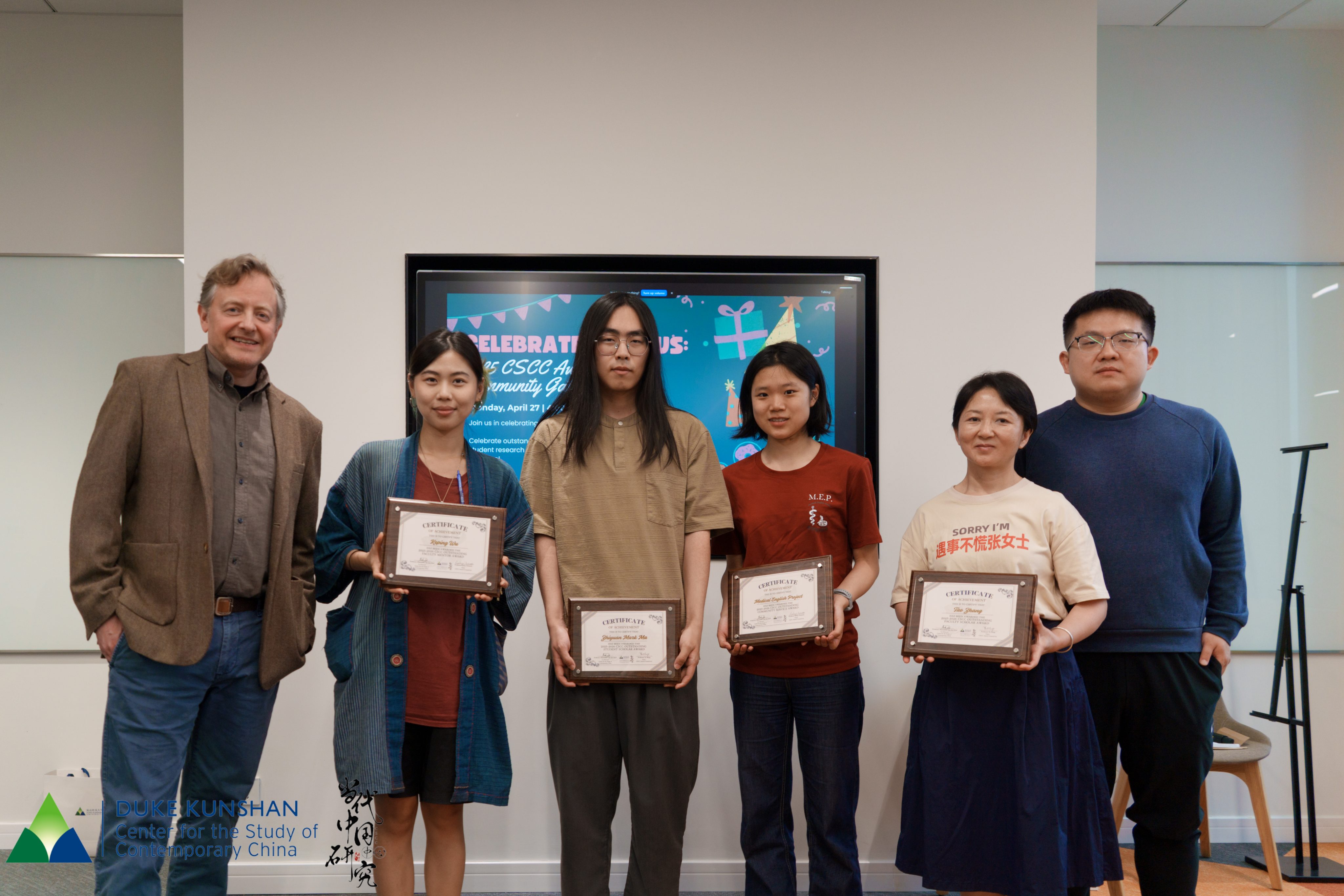
This year’s award recipients are:
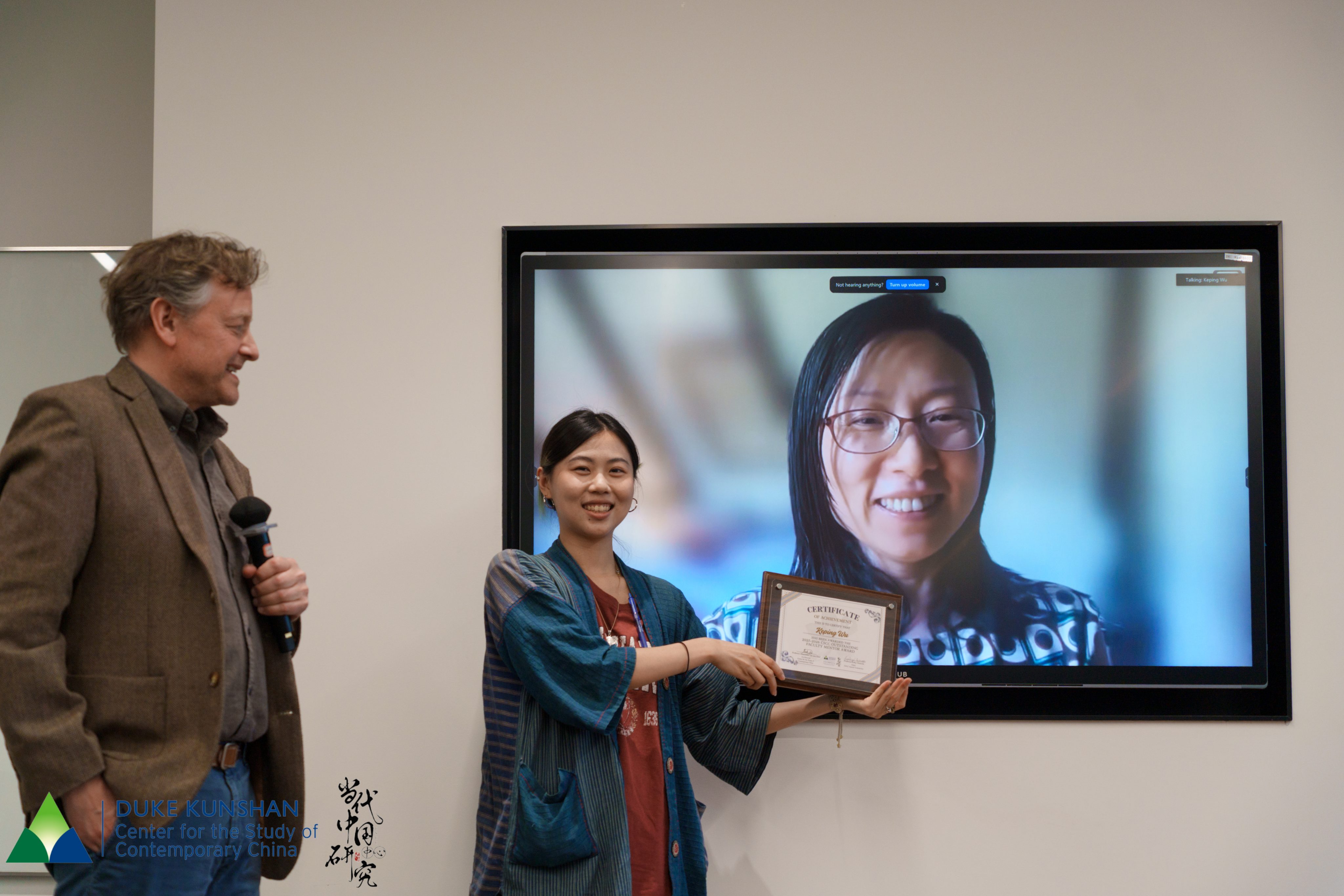
CSCC Outstanding Faculty Mentor Award – Keping Wu
Keping Wu was recognized for her deeply thoughtful and sustained mentorship, which emphasizes care, attentiveness, and intellectual rigor. Drawing on her teaching in anthropology and ethnographic research, she guides students to approach research as an ongoing practice of listening, engagement, and responsibility rather than a fixed method. Her mentorship supports students through uncertainty, encouraging them to remain attentive to ethical, emotional, and methodological complexities while allowing meaning to emerge gradually. Widely praised by her students, Professor Wu fosters an environment where inquiry is collaborative, diverse perspectives are valued, and learning unfolds through patience and reflection. Her approach not only strengthens students’ academic work but also shapes how they relate to communities, knowledge, and the broader world.
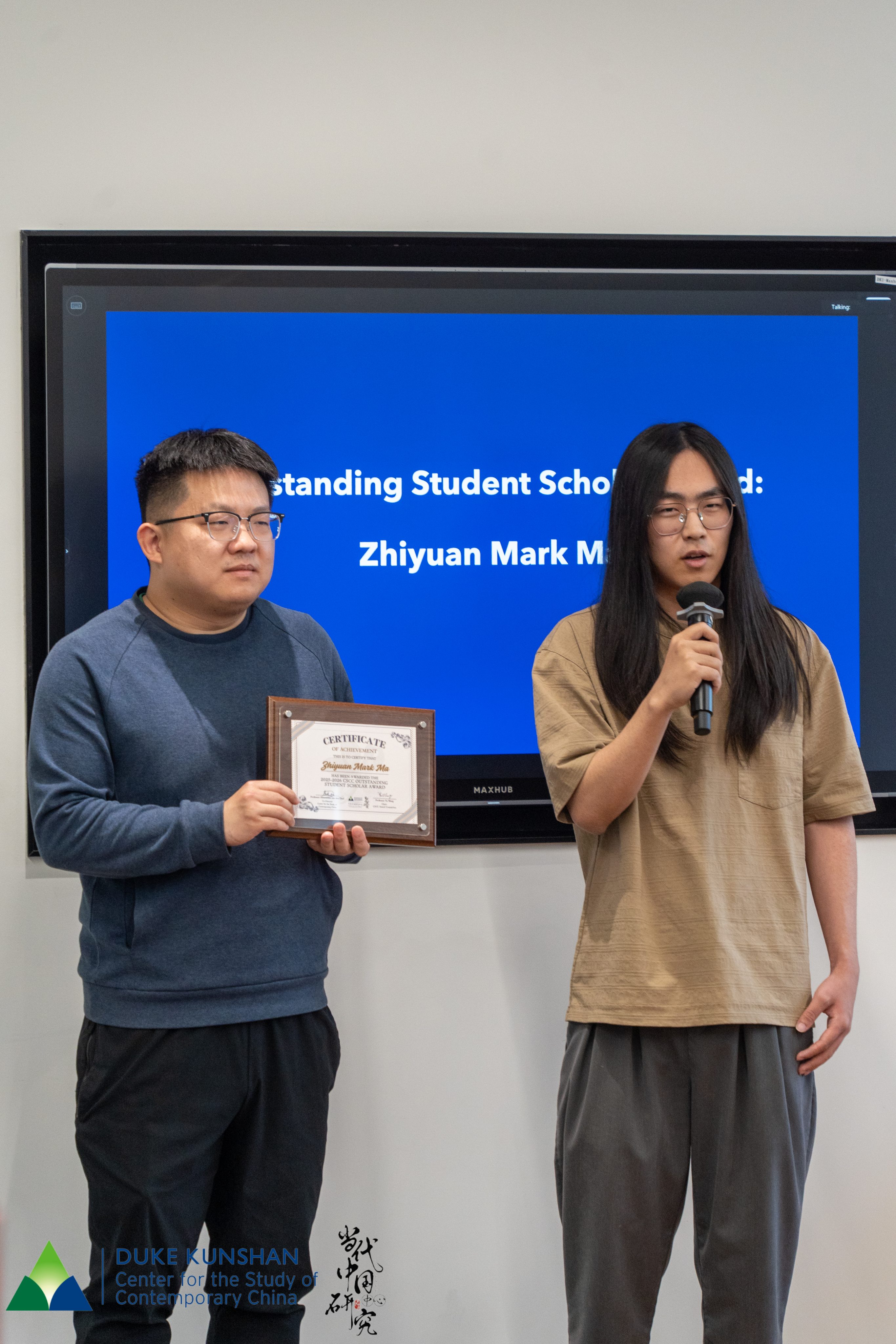
CSCC Outstanding Student Scholar Award – Zhiyuan Mark Ma
Zhiyuan Mark Ma was honored for his innovative and interdisciplinary research on contemporary China, which integrates literary studies, translation, spatial theory, and creative practice. His work spans a bilingual Kunshan Poetry Anthology and Exhibition, a cross-media mapping project in Bacheng, and an ongoing transmedia project exploring memory and end-of-life narratives. Across these projects, he demonstrates a distinctive ability to connect critical inquiry with artistic expression, positioning translation and creative practice as methods for understanding lived experience and local cultural dynamics. His research foregrounds regional identity, everyday spatial knowledge, and underrepresented voices, while contributing to broader conversations in China studies. Through rigorous fieldwork, collaborative engagement, and thoughtful experimentation, Ma exemplifies intellectual creativity, methodological depth, and a sustained commitment to exploring the intersections of space, culture, and perception.
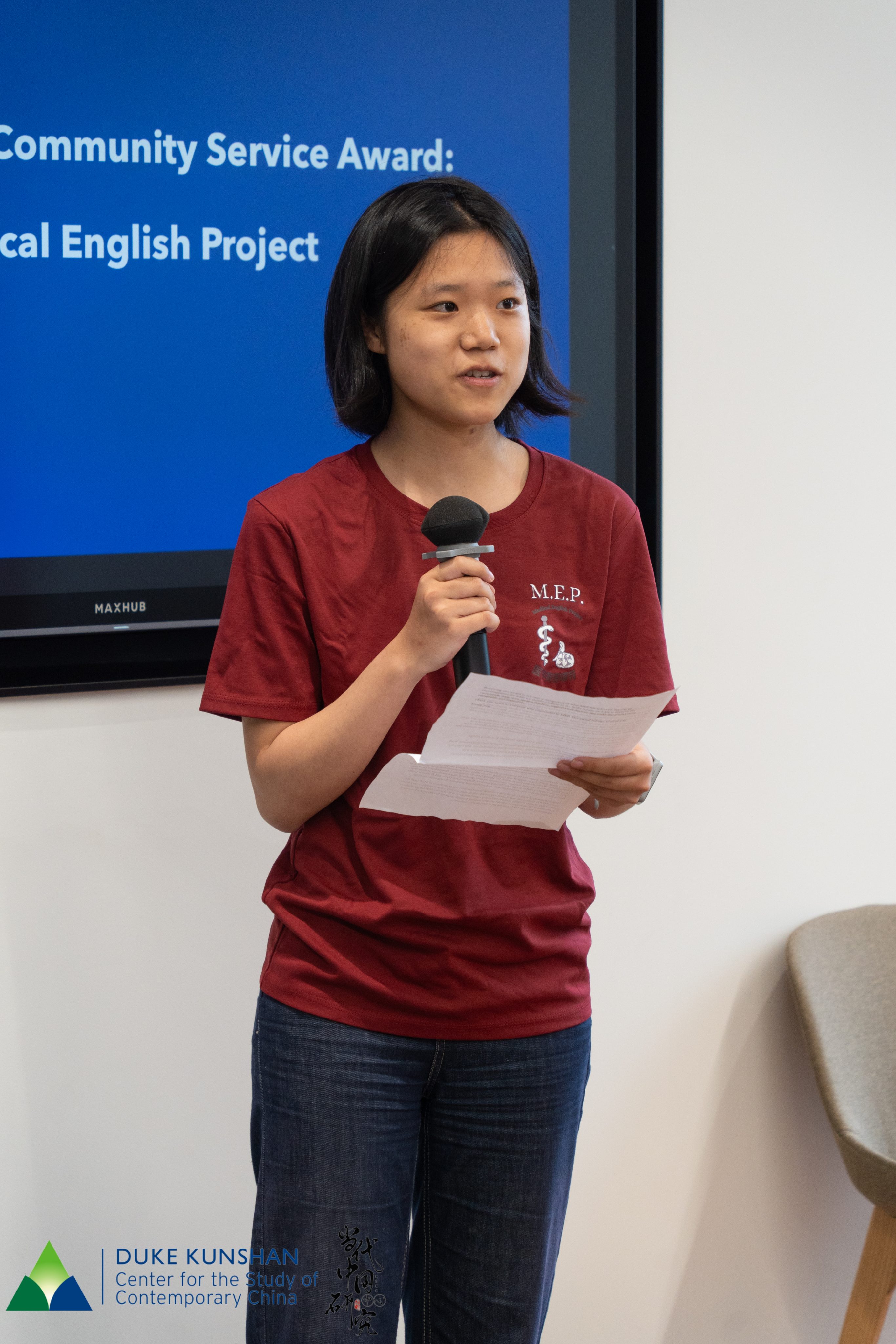
CSCC Outstanding Community Service Award – Medical English Project (MEP)
Medical English Project was recognized for its sustained and impactful community engagement addressing language barriers in healthcare. Founded in 2019 as a student-led initiative, MEP has grown into a structured, long-term collaboration between students, faculty, and local healthcare institutions. Through its combination of one-on-one tutoring, group classes, and a multi-level curriculum, the program equips medical professionals with practical English communication skills, improving doctor–patient interactions and access to care for international populations. MEP has supported the professional development of over 250 local doctors and built active learning communities within partner hospitals, reflecting its strong institutional trust and lasting local impact. At the same time, the program provides DKU students with meaningful experiential learning opportunities, fostering teaching, leadership, and cross-cultural communication skills. As a scalable and sustainable model of community engagement, MEP exemplifies the integration of academic learning with real-world impact.
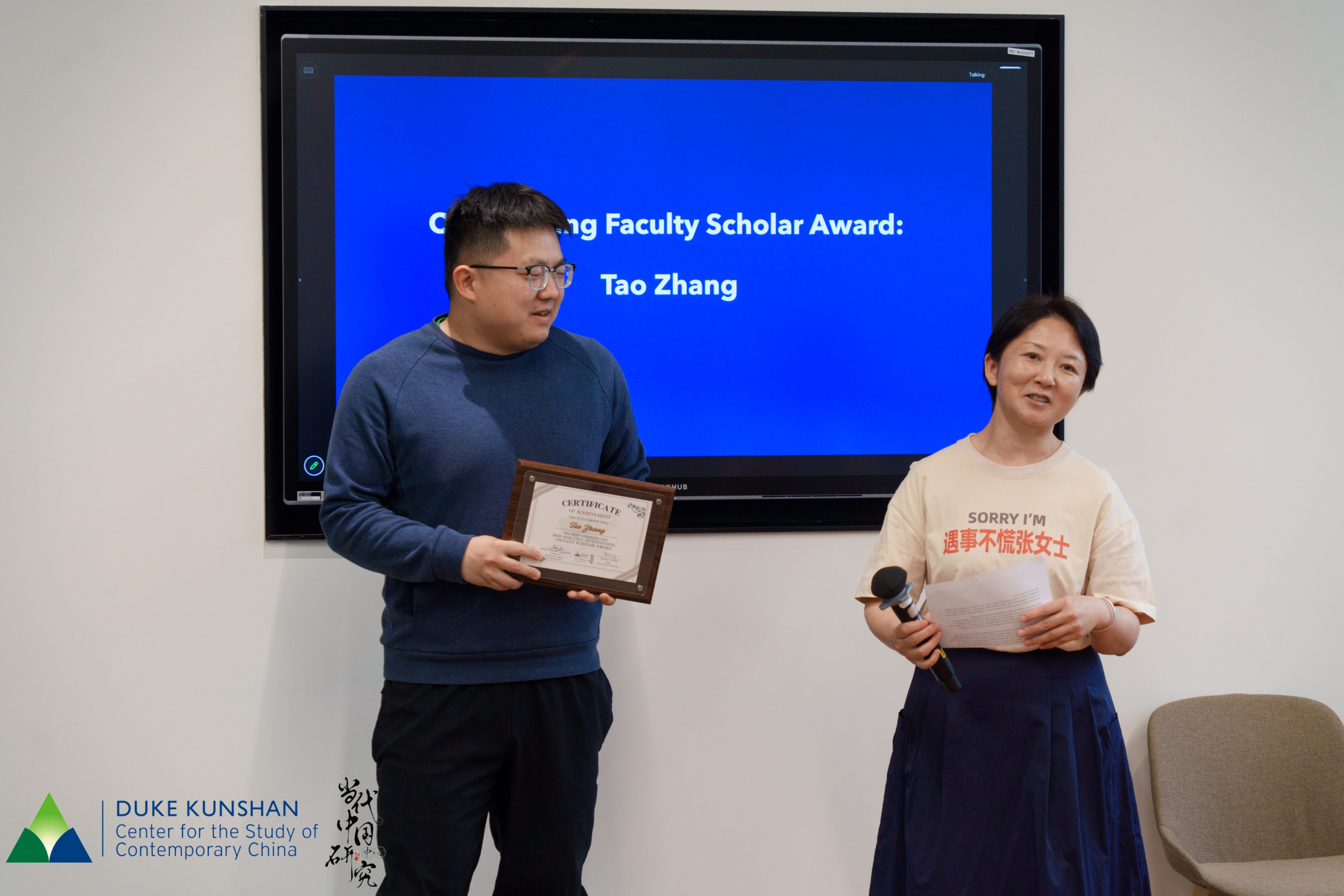
CSCC Outstanding Faculty Scholar Award – Tao Zhang
Tao Zhang was recognized for her significant scholarly contribution to intercultural communication and contemporary China studies through her recent publication in the Journal of International and Intercultural Communication. Her research examines the identity negotiation of transnational Chinese in the United States, offering a critical intervention into dominant racial frameworks by challenging the limitations of the White/non-White binary. Drawing on a mixed-methods approach that combines autoethnography and in-depth interviews, her work advances a decolonial, Global South–oriented perspective on race, identity, and belonging. By theorizing Chinese-ness as dynamic, relational, and shaped by transnational and postcolonial contexts, her scholarship contributes important theoretical, empirical, and methodological insights. With implications for both academic research and broader societal discussions on race and migration, Professor Zhang’s work exemplifies intellectual rigor, originality, and global relevance.
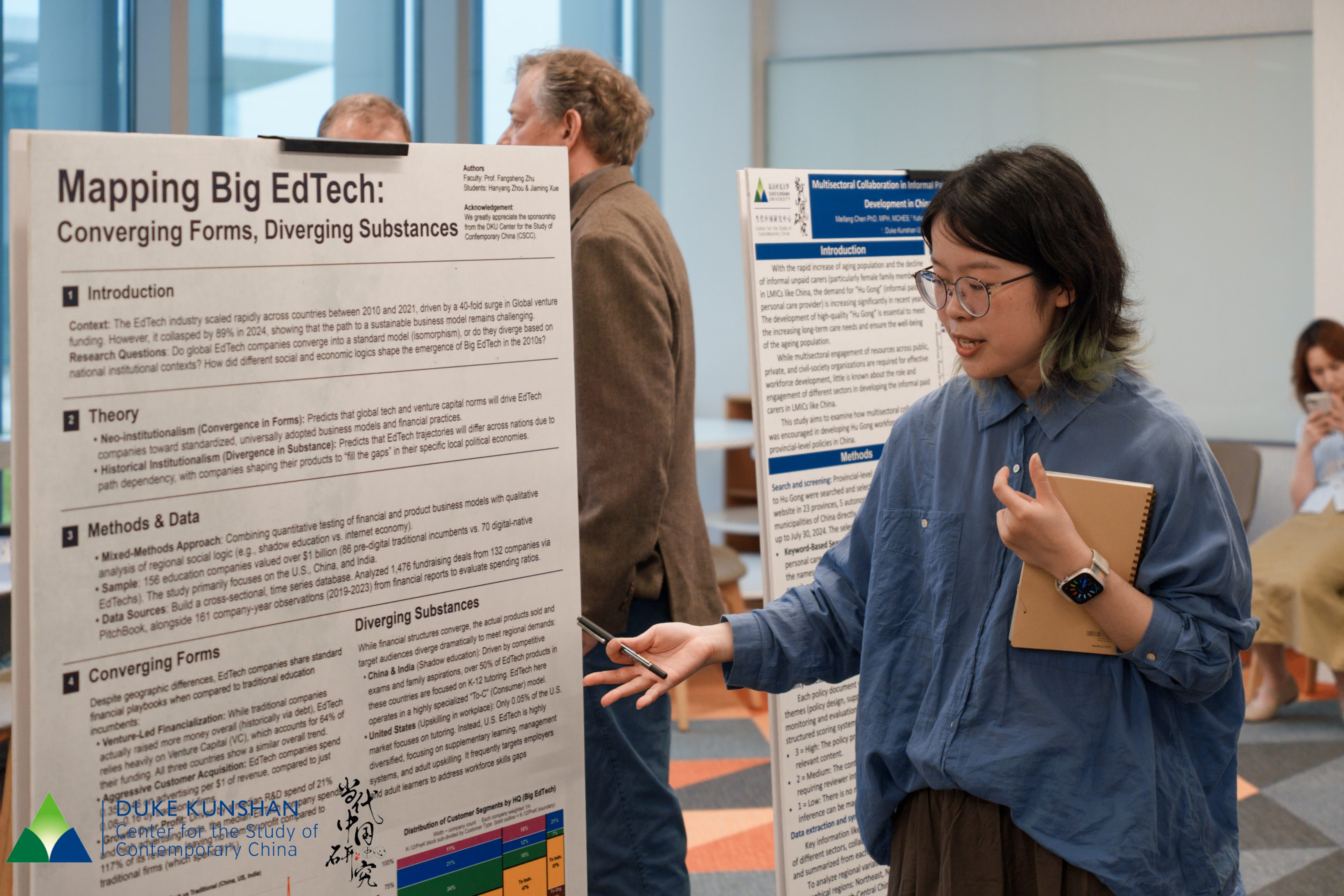
The celebration concluded with a poster exhibition session featuring projects from CSCC Community Service initiatives, Faculty–Student Collaborative Projects, and Student-Initiated Research and Creative Inquiry. The session adopted an open and interactive format, allowing student presenters and attendees to engage in direct conversation, exchange ideas, and discuss research in an informal yet intellectually engaging setting. The event closed with appreciation for the faculty, students, and community partners whose contributions have shaped the Center’s vibrant intellectual and collaborative environment, as the CSCC looks ahead to continued growth and engagement in the year to come.