

Report by: Violet Nguyen | Photography by: Haozhe Lou |Edit by: Annemieke van den Dool
In China—often called the “Kingdom of Bicycles”—the role of the bicycle has shifted dramatically over time. From being the dominant mode of everyday transport to its decline and now steady revival through bike-sharing and new infrastructure, cycling in China reflects changing priorities in policy, behavior, economics, and urban design.
To better understand these developments in China, Duke Kunshan University (DKU) and the Dutch Cycling Embassy have been engaged in a series of exchanges since 2025. The Dutch Cycling Embassy is a public–private network that brings together experts, companies, and institutions from the Netherlands to share knowledge and promote cycling-friendly infrastructure and urban design worldwide.
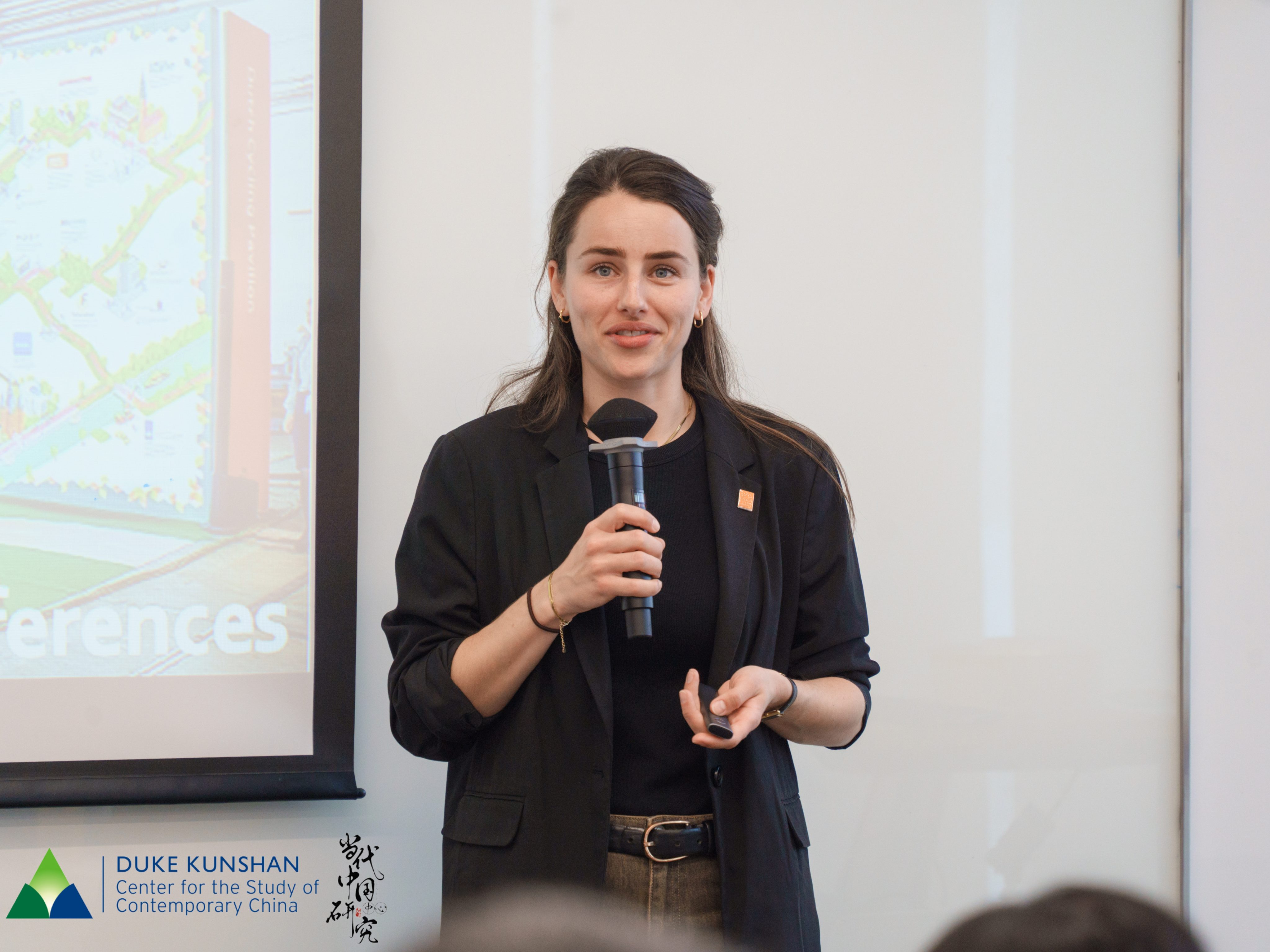
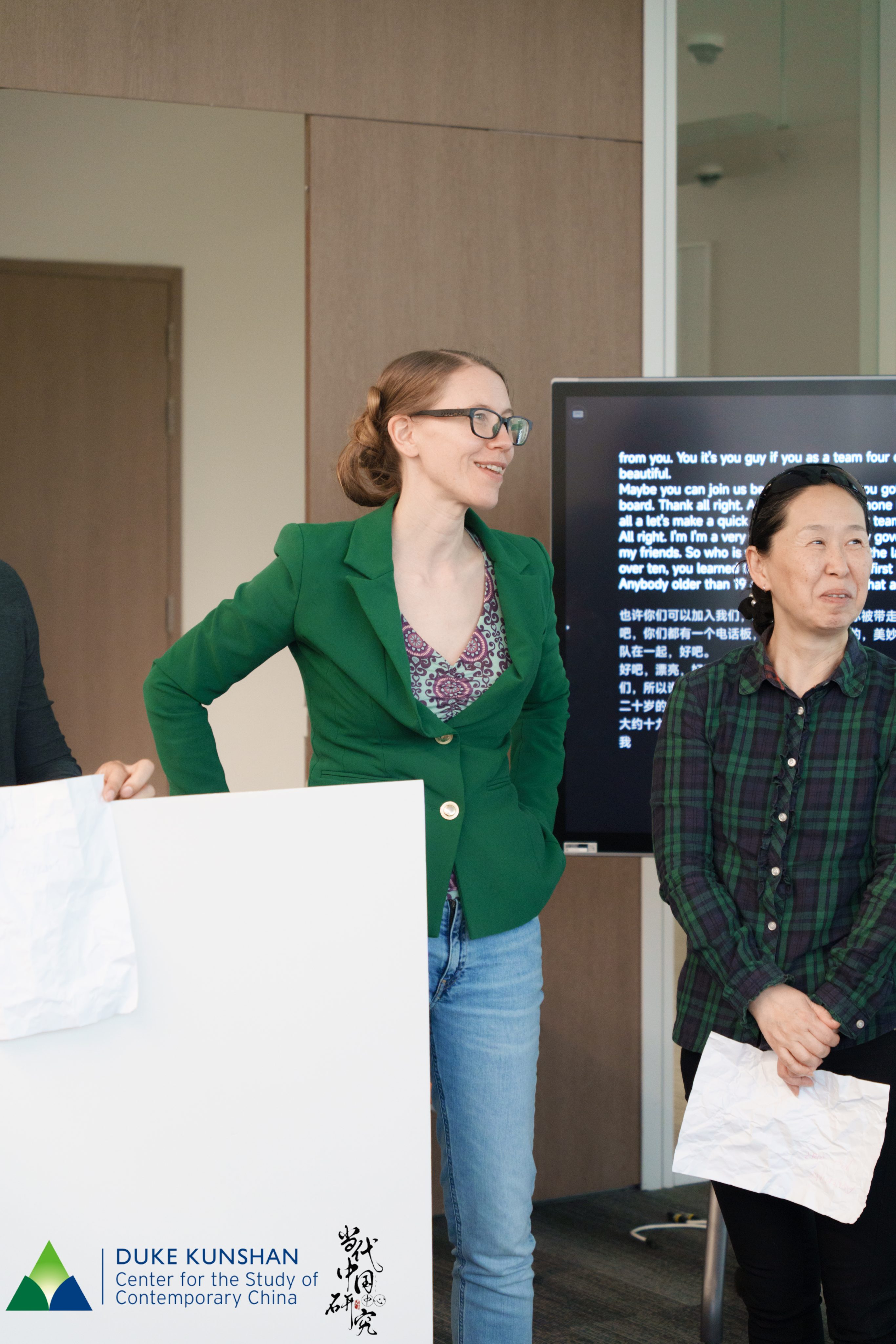
On April 25, 2026, the CSCC welcomed Ms. Jeska de Ruiter, Project and Marketing Coordinator at the Dutch Cycling Embassy, who delivered a presentation titled “Pedaling Through Life: Understanding Different Types of Cyclists.” Co-organized with the DKU Cycling Club, the event brought together students, staff, faculty, and members of the Kunshan Dayu Bay Giant bicycling club to explore the culture, infrastructure, and social dimensions of cycling in the Netherlands and China.
Ms. de Ruiter began by introducing how the Netherlands shifted away from car-centric urban design beginning in the 1970s through before-and-after photographs of streets redesigned to prioritize cyclists and pedestrians. She noted that similar transitions are underway in China, where bicycle mode share dropped sharply from 62% in 1998 to just 9% in 2015 before beginning to recover, and expressed optimism about the rapid pace of cycling infrastructure investment she had observed.
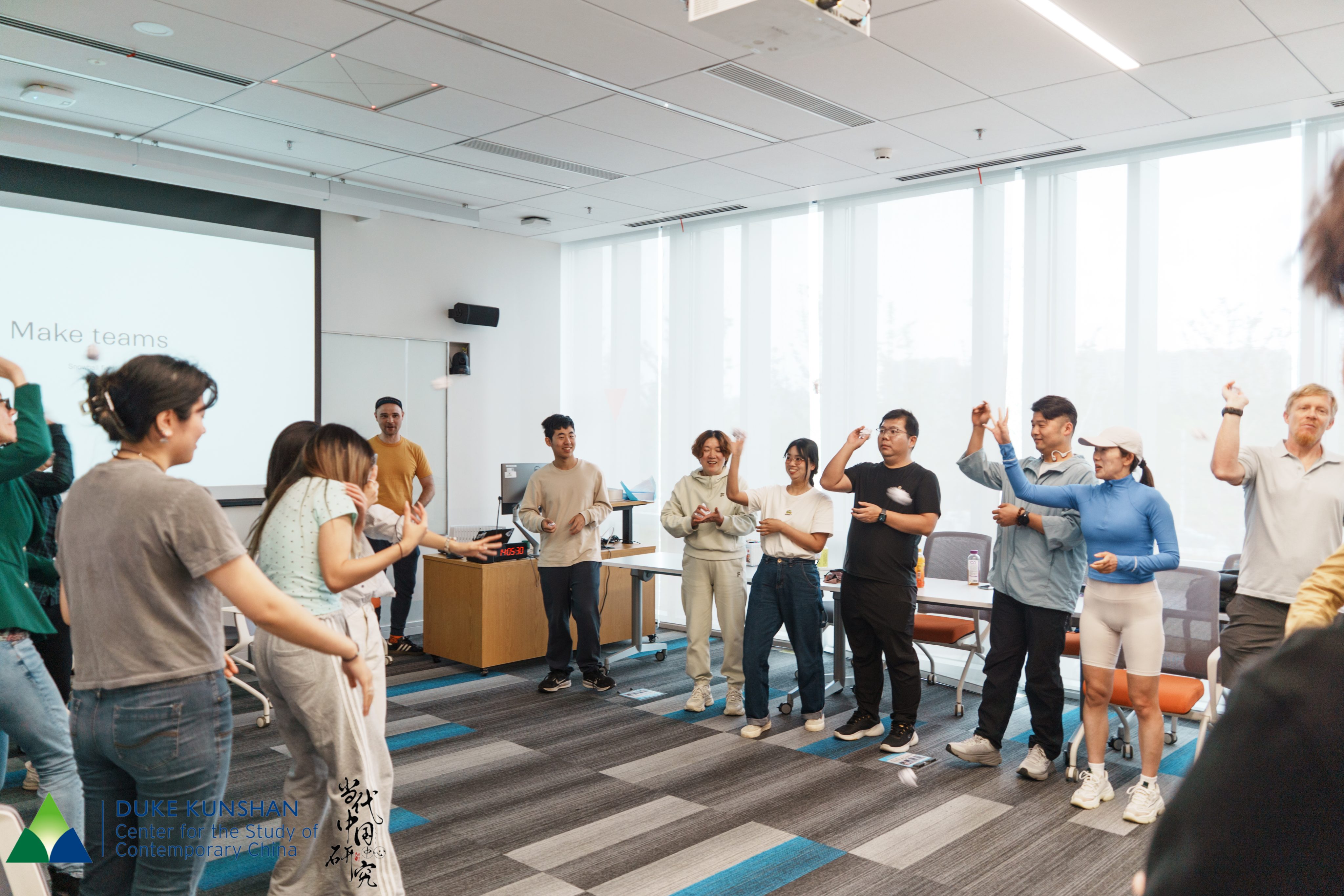
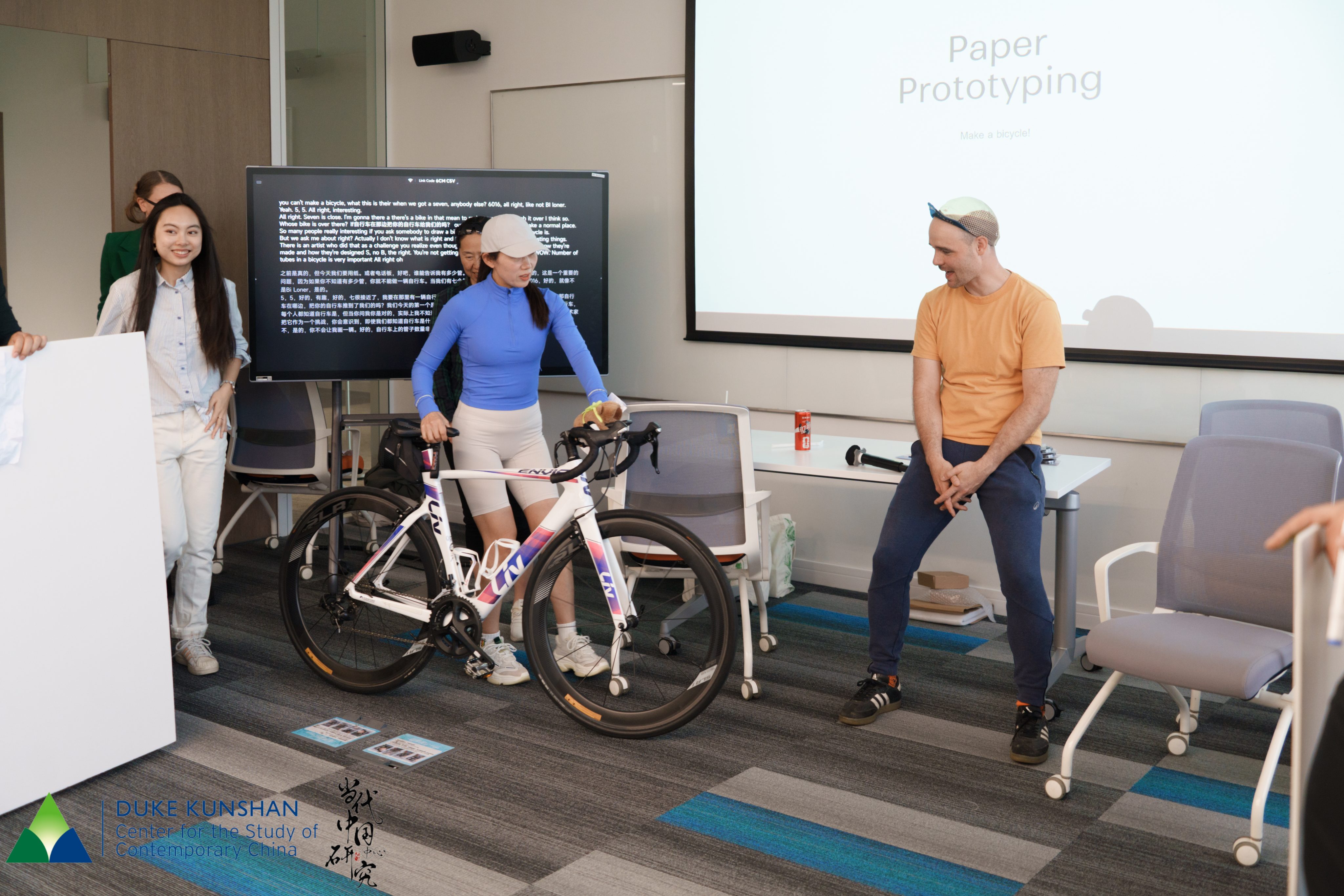
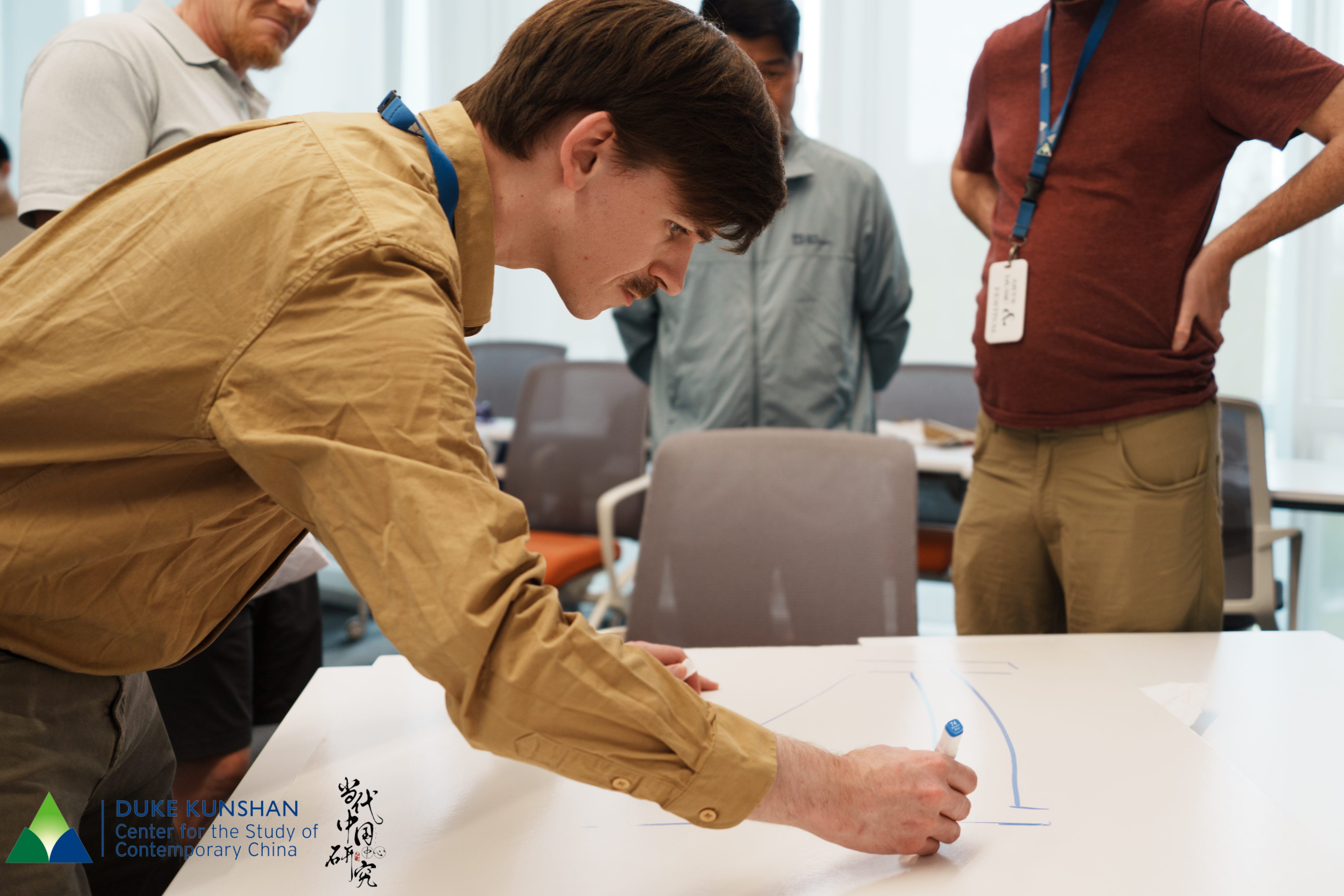
The core of the presentation followed a fictional Dutch family, used to illustrate how cycling adapts to every stage of life. A university student relies on a single electric bike for commuting and socializing. A 12-year-old gains independence and confidence through daily rides to school and a BMX bike for recreation. A three-year-old begins with tricycles and is carried in a cargo bike alongside groceries and the family dog. Working parents use e-bikes, foldable bikes, shared public bikes, and cargo bikes depending on the trip. Even grandparents remain mobile through tricycles and handbikes, all of which can use the same infrastructure as everyone else. The framework made vivid how cycling in the Netherlands is not a niche activity but a flexible, lifelong mode of transport shaped around real people’s needs.
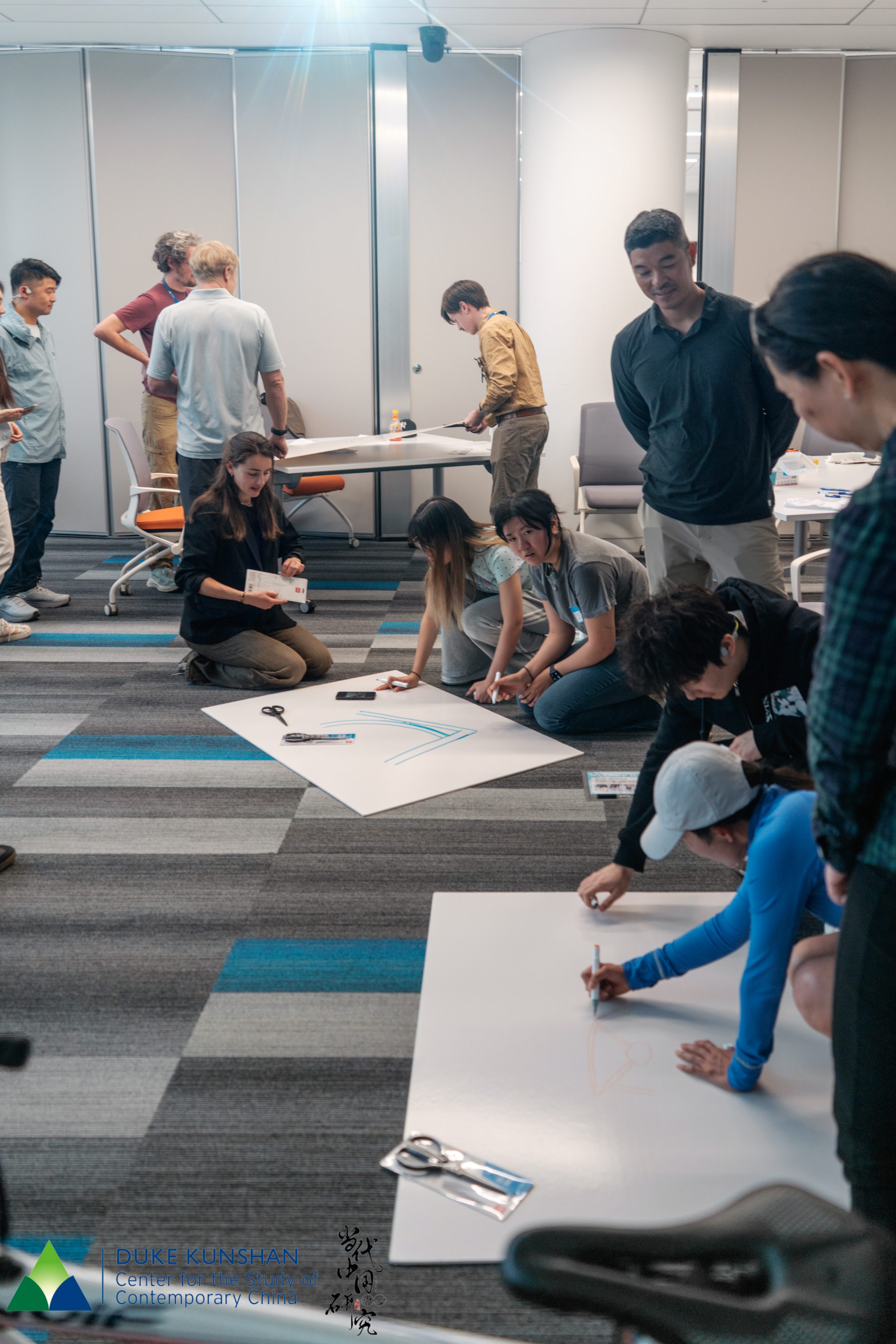
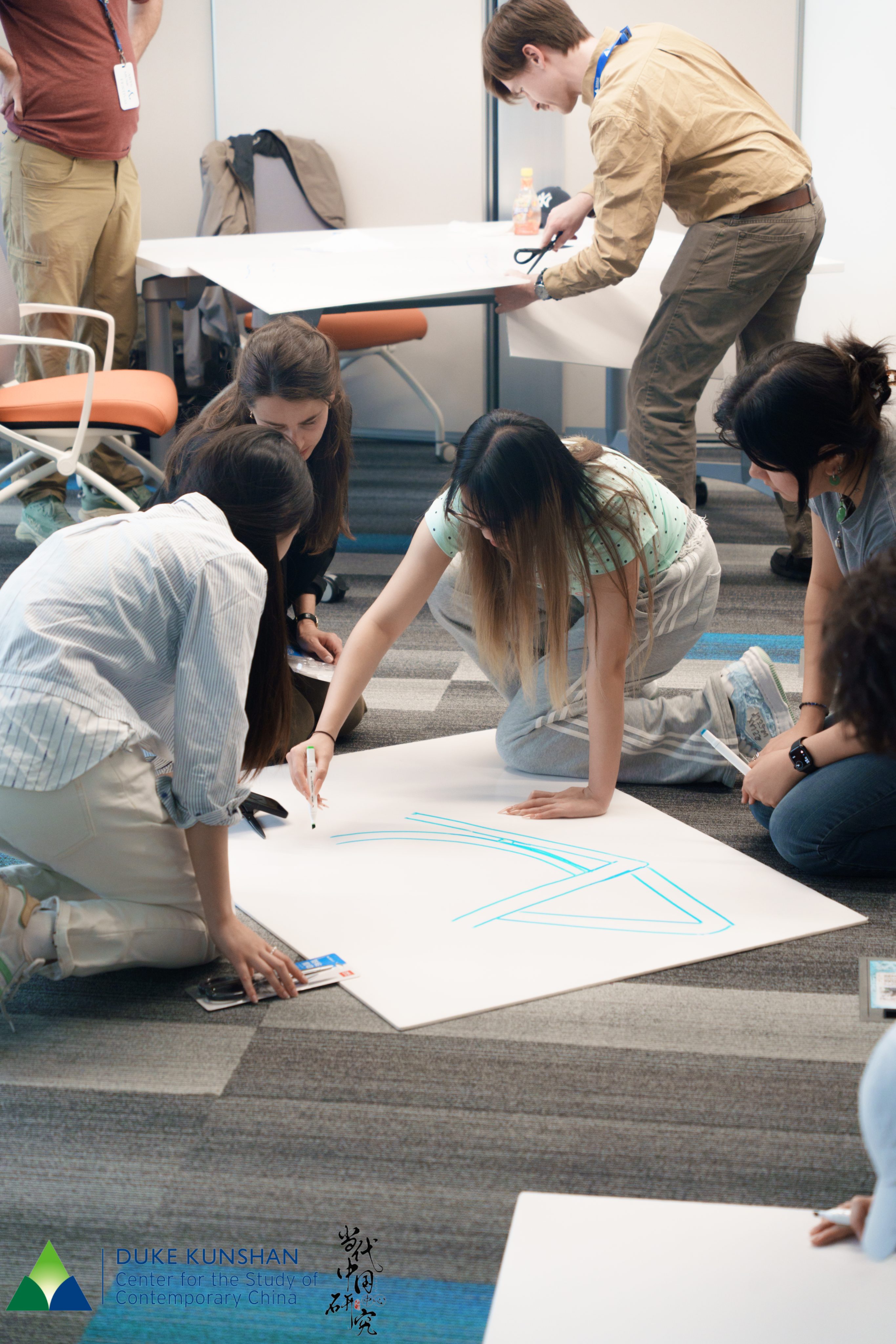
Drawing on the Dutch Cycling Vision, Ms. de Ruiter outlined the many benefits of cycling: improved mental and physical health, greater freedom and quality of life, economic benefits for local businesses, reduced carbon emissions, and more efficient use of public space. She also introduced a framework for building bike-friendly environments and invited the audience to consider how these might apply to the DKU campus. A lively Q&A followed on differences in parking policy between dense Dutch city centers and suburban areas, drawing comparisons with the local cycling landscape in Kunshan and Shanghai. Ms. de Ruiter closed by encouraging participants to bring the conversation home and to consider which benefits of cycling would resonate most in their own communities.