

CSCC student researcher Haoran Zhang (Class of 2027) participated in and presented at the Midwest Political Science Association (MPSA) Annual Conference in Chicago on April 23, 2026. At the conference, Zhang presented research from the CSCC-funded Faculty–Student Collaborative Research Project, “Quantum Leap: Regional Investment Strategies in Quantum Technologies in China,” co-led by Professor Paula Ganga and himself.
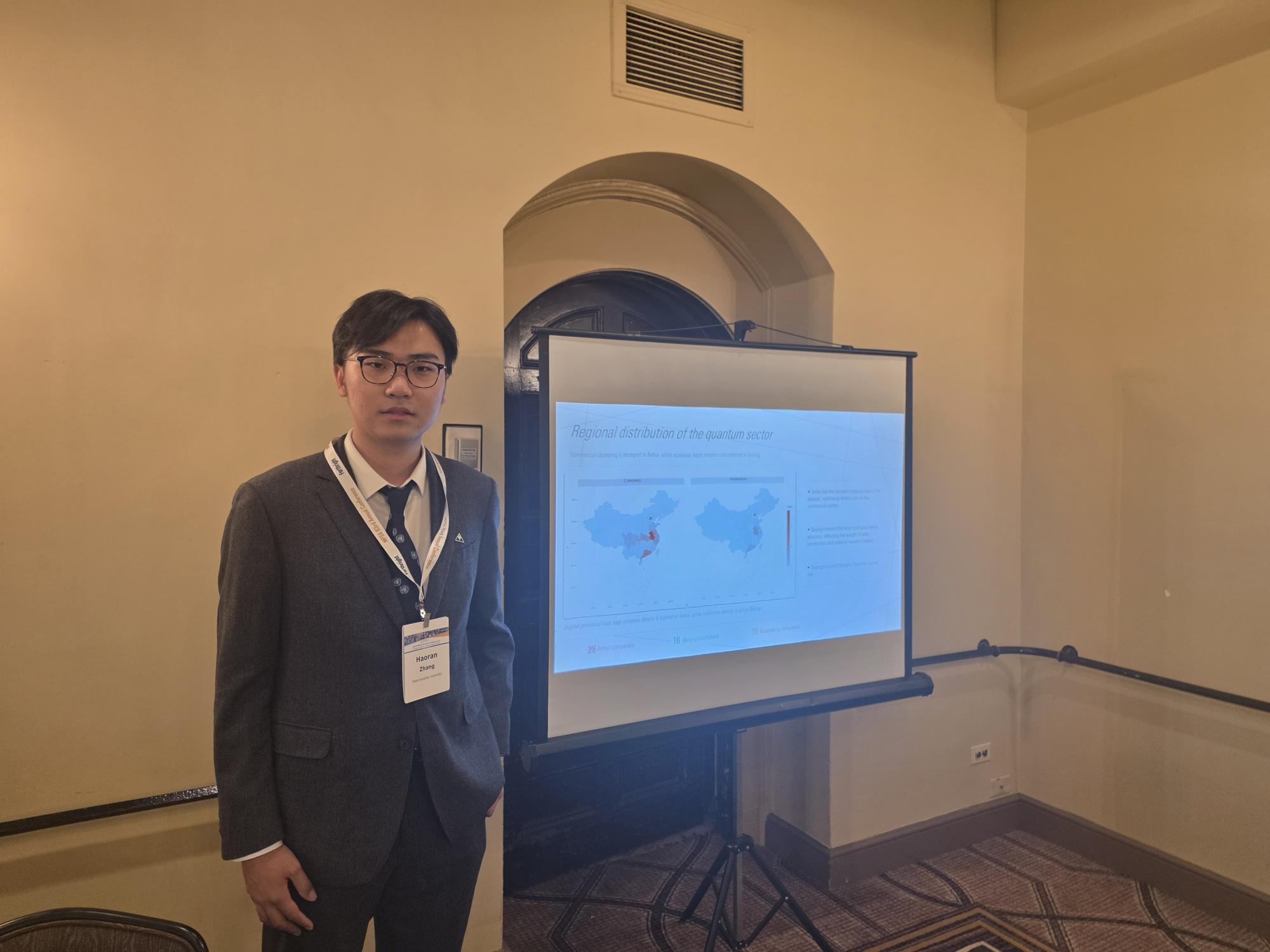
The project examines China’s rapid rise as a global leader in quantum technologies, a field widely regarded as the next frontier in technological innovation with applications in computing, communication, and sensing. While China has emerged as a global leader in quantum computing, with major advances in both photonics and superconducting systems, the research focuses on the regional dimension of this growth. Specifically, it analyzes how local government strategies, existing technological infrastructure, and research ecosystems shape the development of different types of quantum technologies, including quantum computing, communication, and sensing. By combining data on funding initiatives, research output, and patent activity, the project seeks to better understand the relationship between regional policy and technological innovation.
As a first-time conference attendee, Haoran Zhang described his experience of engaging with the broader political science academic community as both exciting and humbling. Under the mentorship of Professor Ganga, he presented findings on the intersection of regional policy and high-tech investment. The feedback received during the session offered valuable perspectives on spatial dynamics and industrial policy, which will directly inform the next stages of his Signature Work.
Beyond the presentation, the conference provided a meaningful space for intellectual exchange and professional development. Zhang engaged with scholars from a range of institutions, attended panels on emerging research methodologies, and discussed evolving trends in the field. These conversations were particularly valuable as he begins preparing for graduate school applications, helping him further refine his academic interests and future research trajectory.
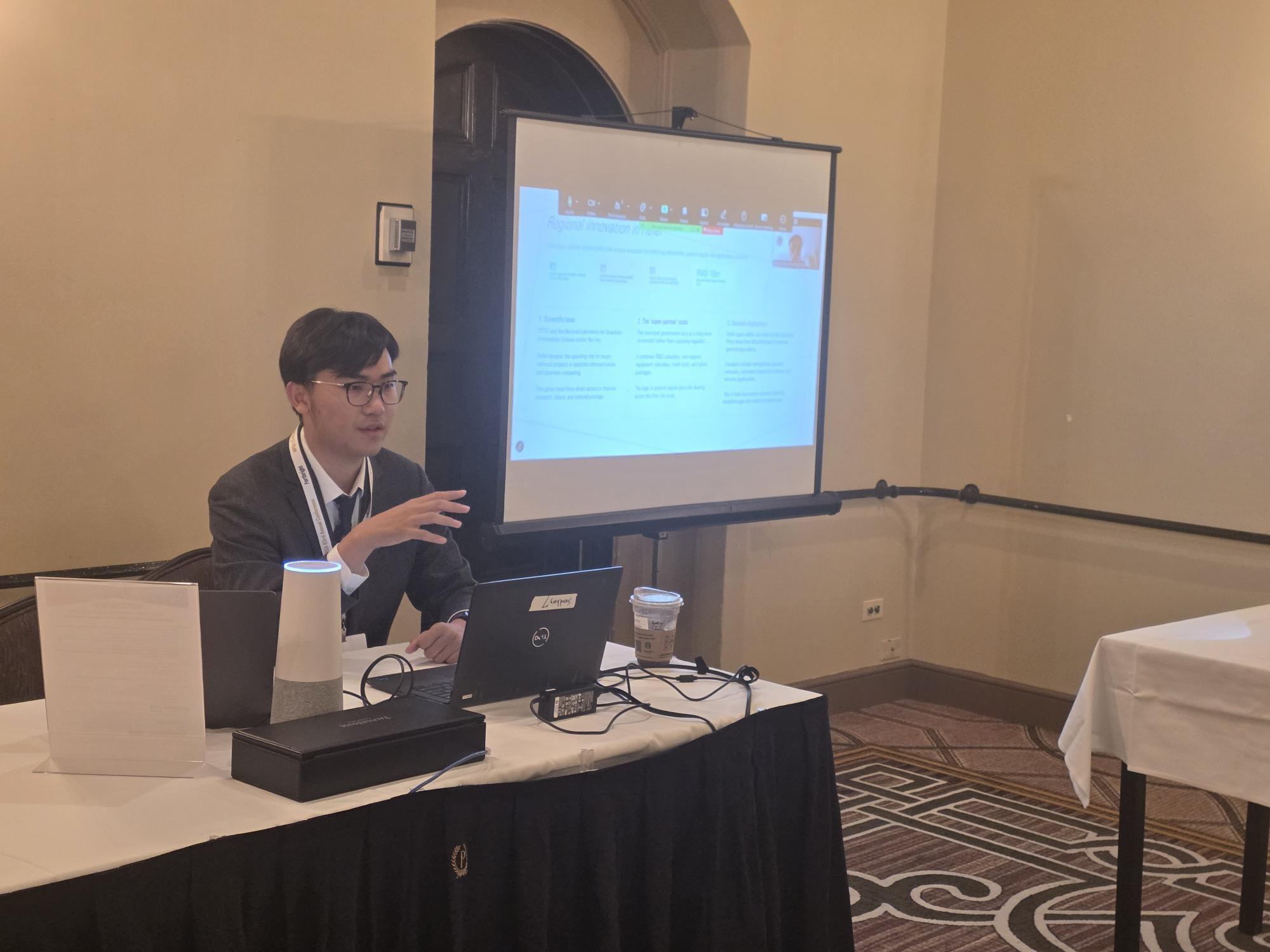
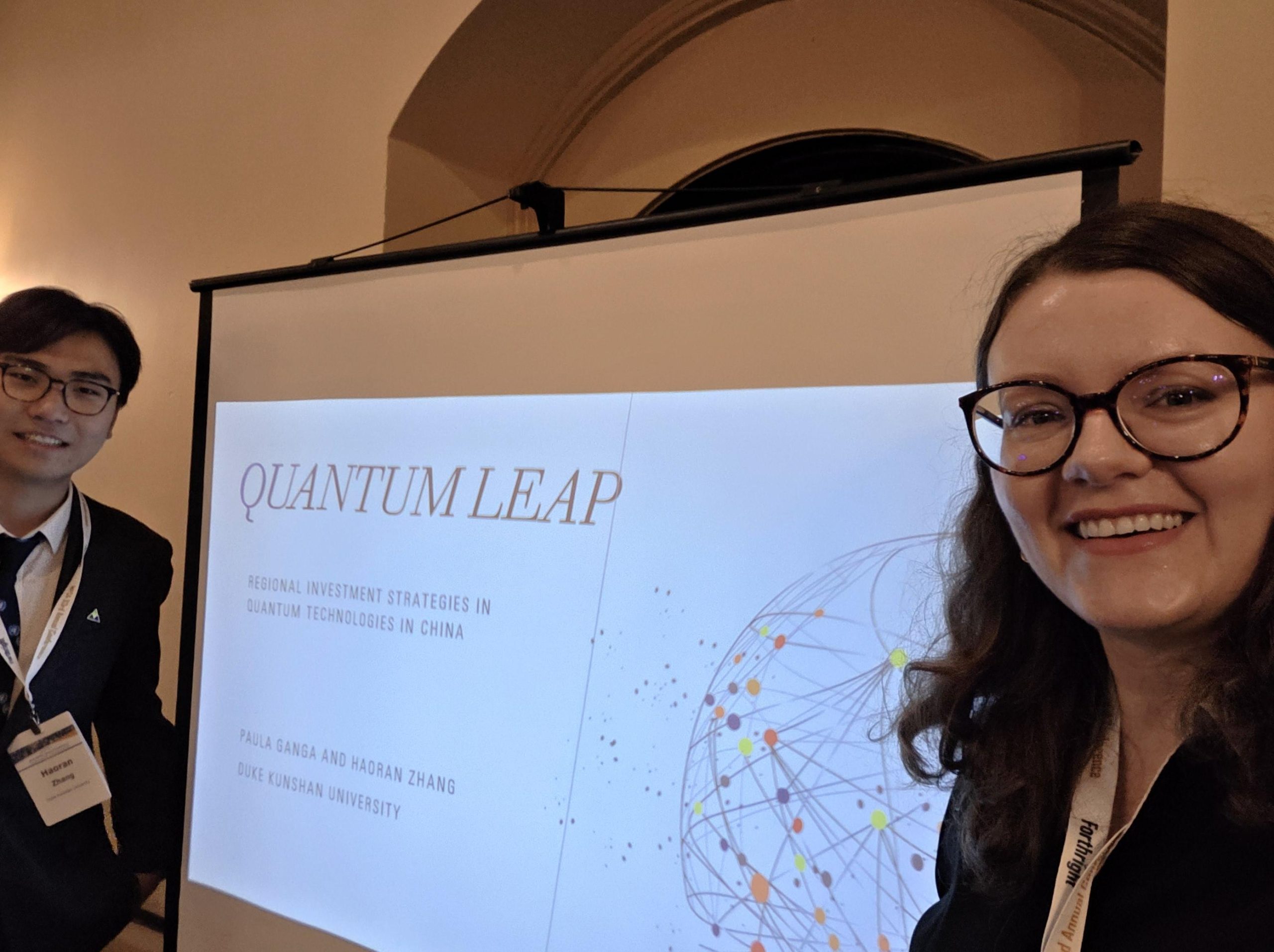
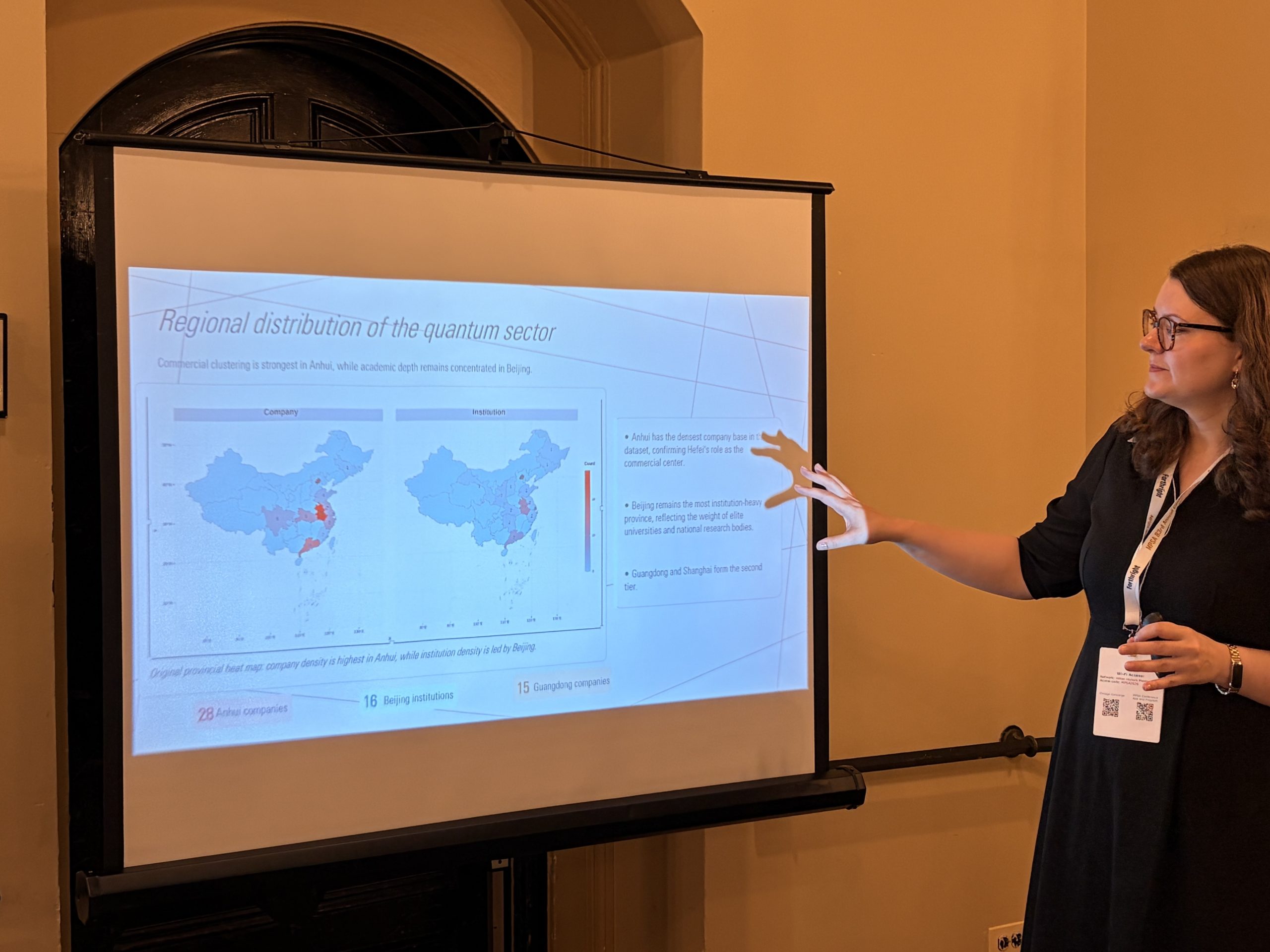
Reflecting on the experience, Zhang shared:
“I am deeply grateful to the CSCC for supporting student research. This funding not only enabled my participation in the conference but also provided an invaluable opportunity to contribute to academic discussions at an international level. The insights and feedback gained from this experience will directly inform the next stages of this project and my future academic work.”
The CSCC congratulates Haoran Zhang on his successful presentation and is pleased to support student-led research that contributes to international academic dialogue and advances understanding of emerging technologies and regional development in China.