
March 6, 2025 | Library East Foyer, Duke Kunshan University
Reporter: Kun Peng (Class of 2026)
Photos by Kun Peng, Zhiping Huang (Class of 2026), Junyi Yu (Class of 2026) and Chi Zhang (Senior Program Coordinator for CSCC).
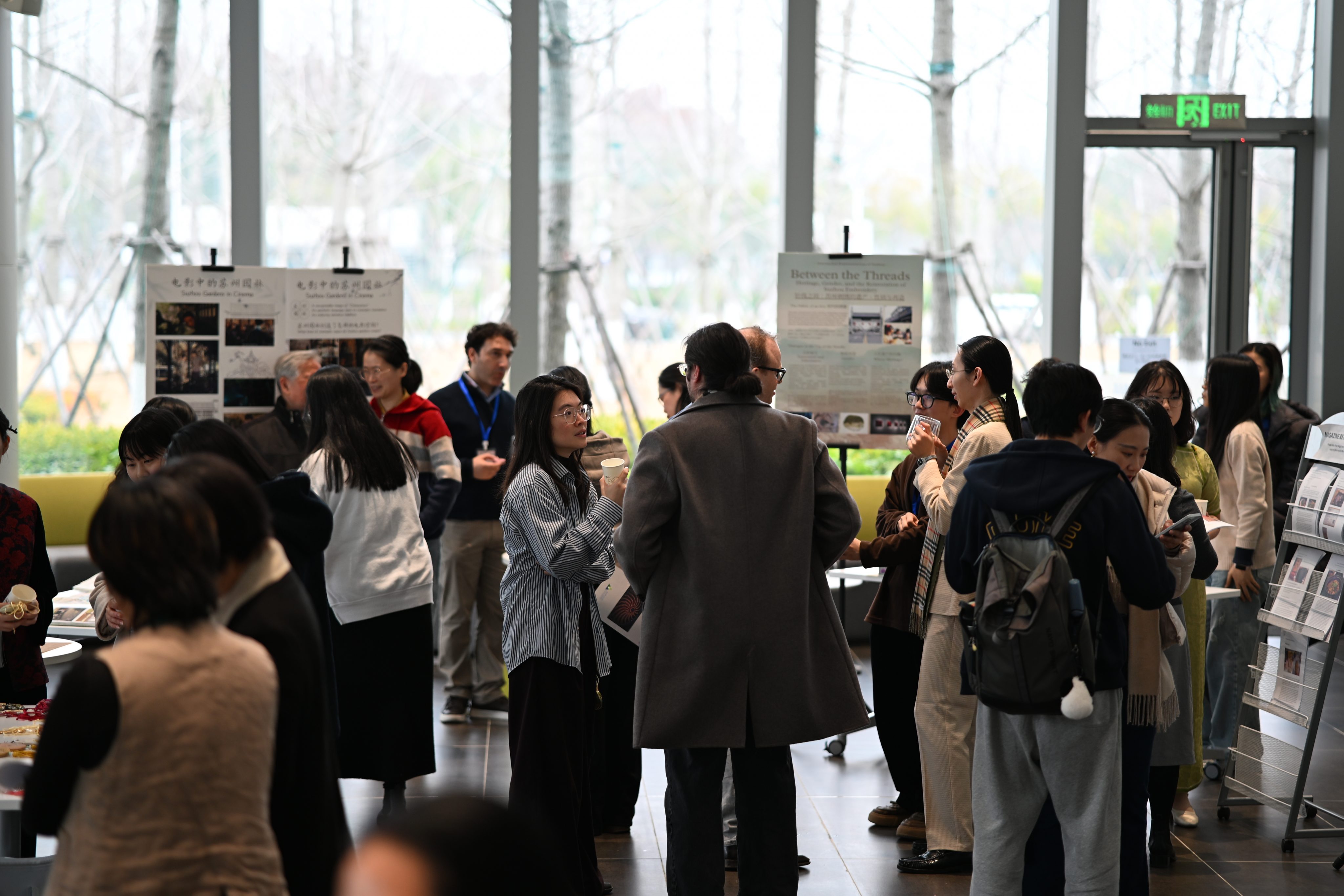
In the afternoon of March 6, the Library East Foyer at Duke Kunshan University came alive with the energy of researchers, students, and cultural enthusiasts gathered for the opening event of the Wu Cultural Heritage at the Margins: Voices, Visuals, and the Visceral (声色体知:吴文化遗产的边缘之域). Organized by the DKU Wu Culture Research Group (Keping Wu, Don Snow, Meng Wang, Hui Yao, Wenting Ji, Junyi Li, and Kim Hunter Gordon), it brought together six research projects centered on the living heritage of Wu culture and the Suzhou region. The event is sponsored by the CSCC Faculty Research and Creative Activity Grant and held in collaboration with DKU Library and the 3rd DKU Kunqu Festival, which is organized by Kim Hunter Gordon.
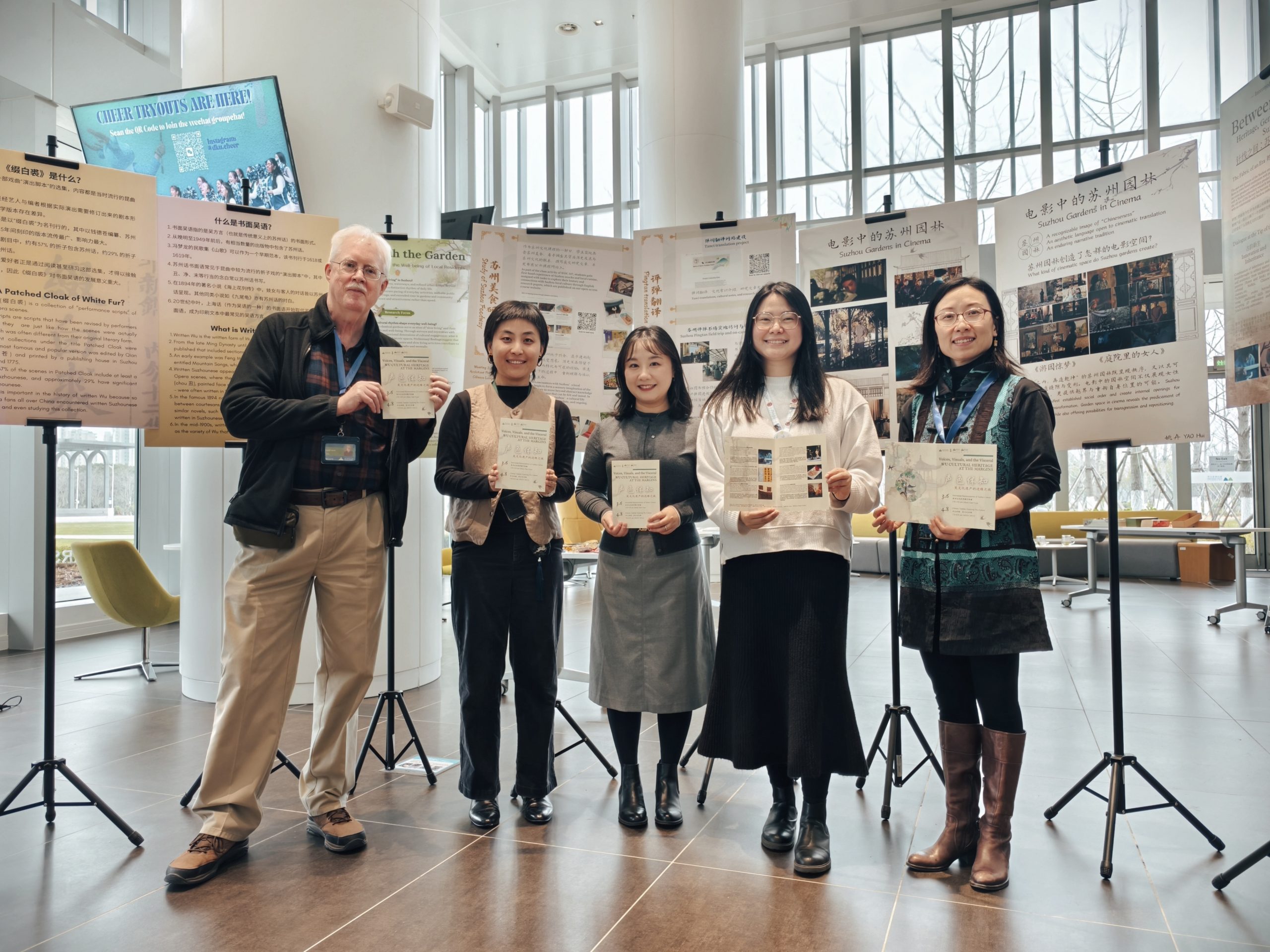
The exhibition featured a rich variety of approaches to Suzhou’s cultural landscape. Don Snow and Meng Wang traced the preservation of the Suzhou dialect in the Qing dynasty Kunqu anthology A Patched Cloak of White Fur (Zhuibaiqiu 缀白裘). Keping Wu’s oral history project documented the lives of ordinary women who shaped Suzhou embroidery across generations. Hui Yao analyzed how Suzhou gardens have been remediated in contemporary films such as Pavilion of Women and Peony Pavilion, and Wenting Ji’s translation project explored how the tanci 弹词 storytelling tradition travels across languages and media through translation. Two additional projects took more sensory routes: Wenting Ji’s class approached Suzhou’s local snacks and cuisine as a “sensory archive” of cultural memory, while Junyi Li’s project explored the classical gardens as spaces of psychological retreat and slow living, drawing on resident surveys and interviews.
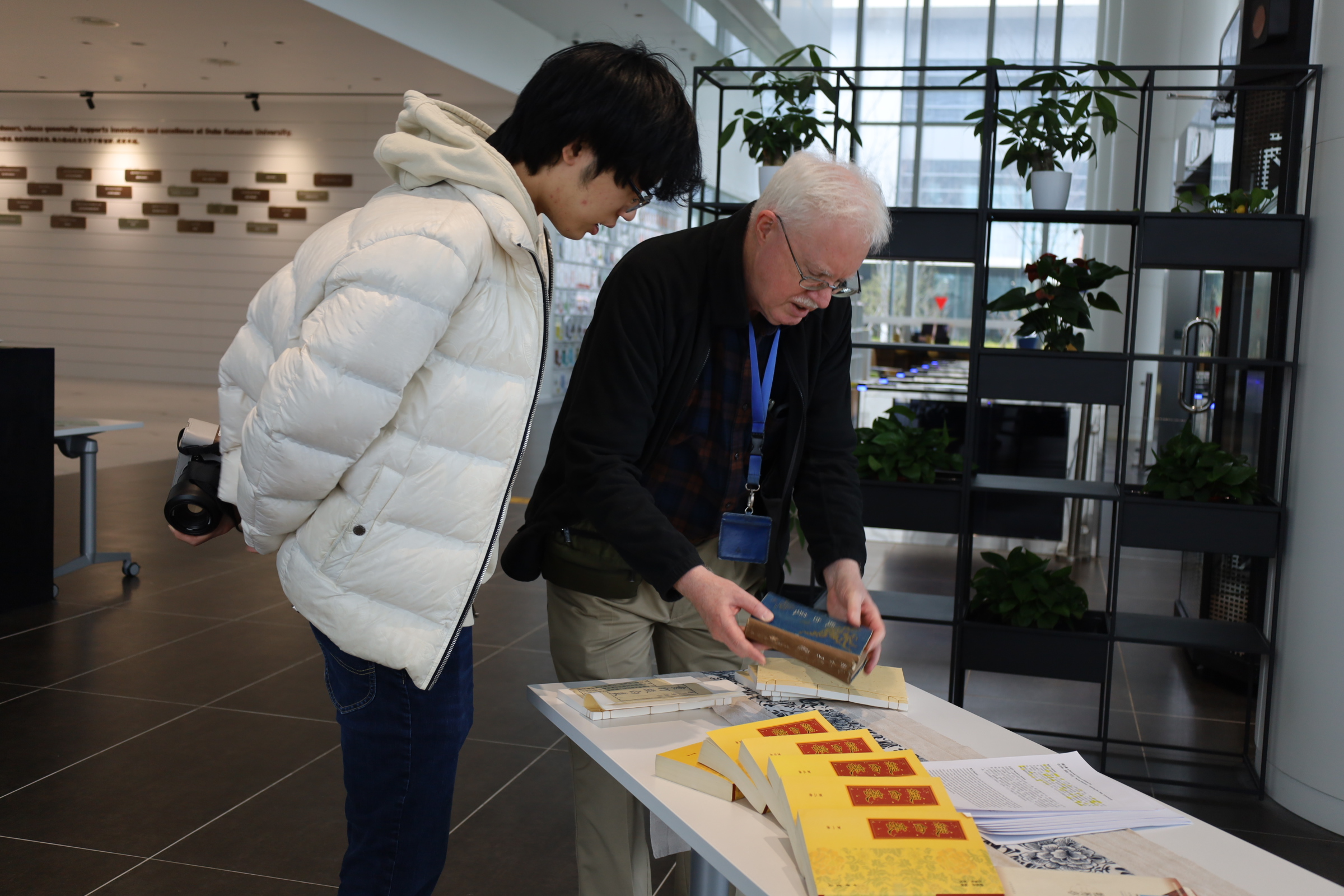
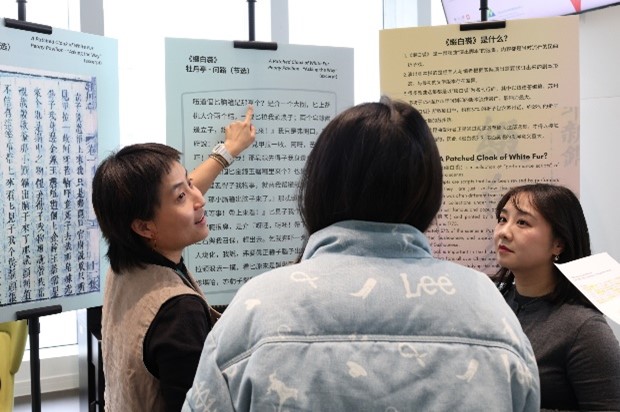
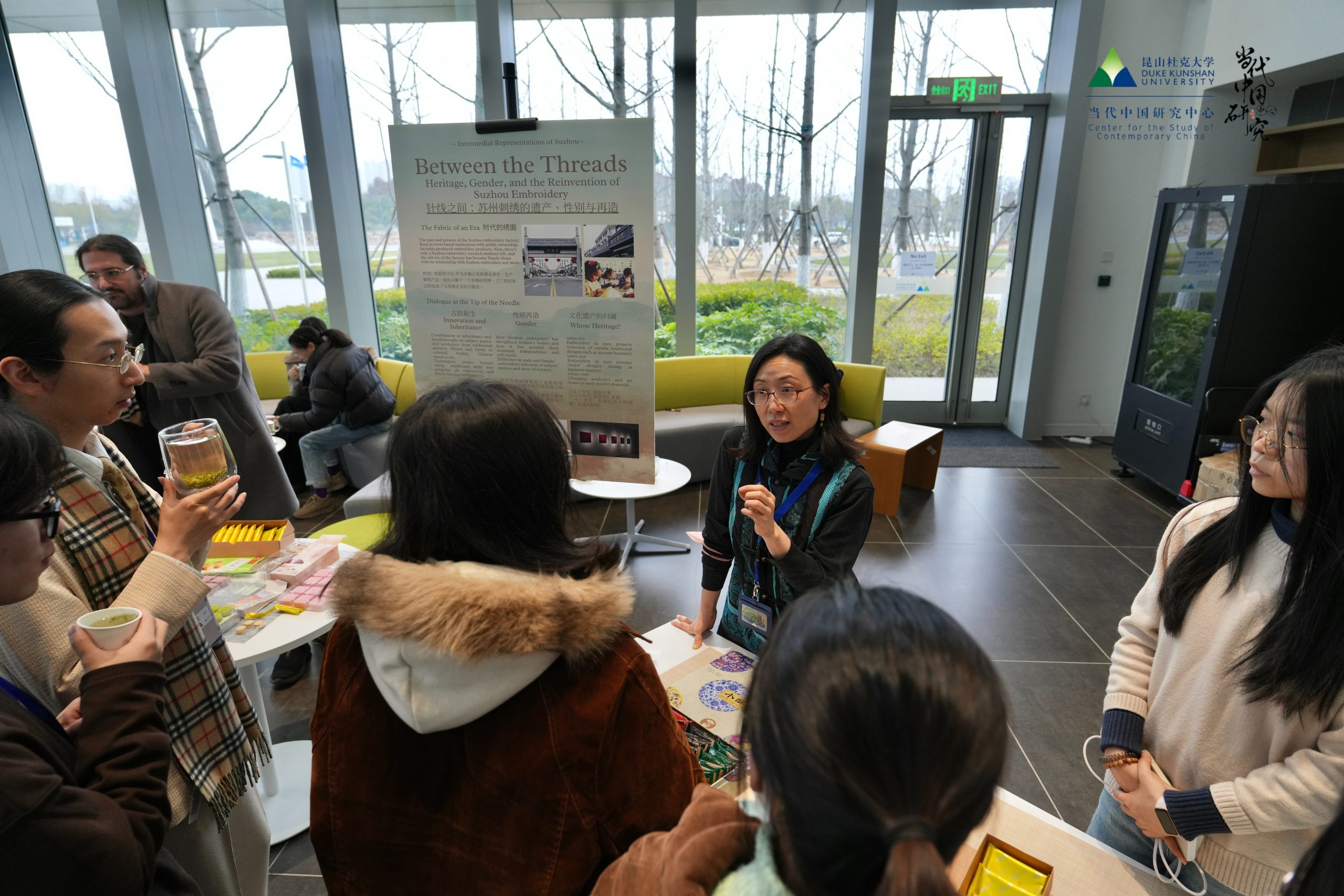
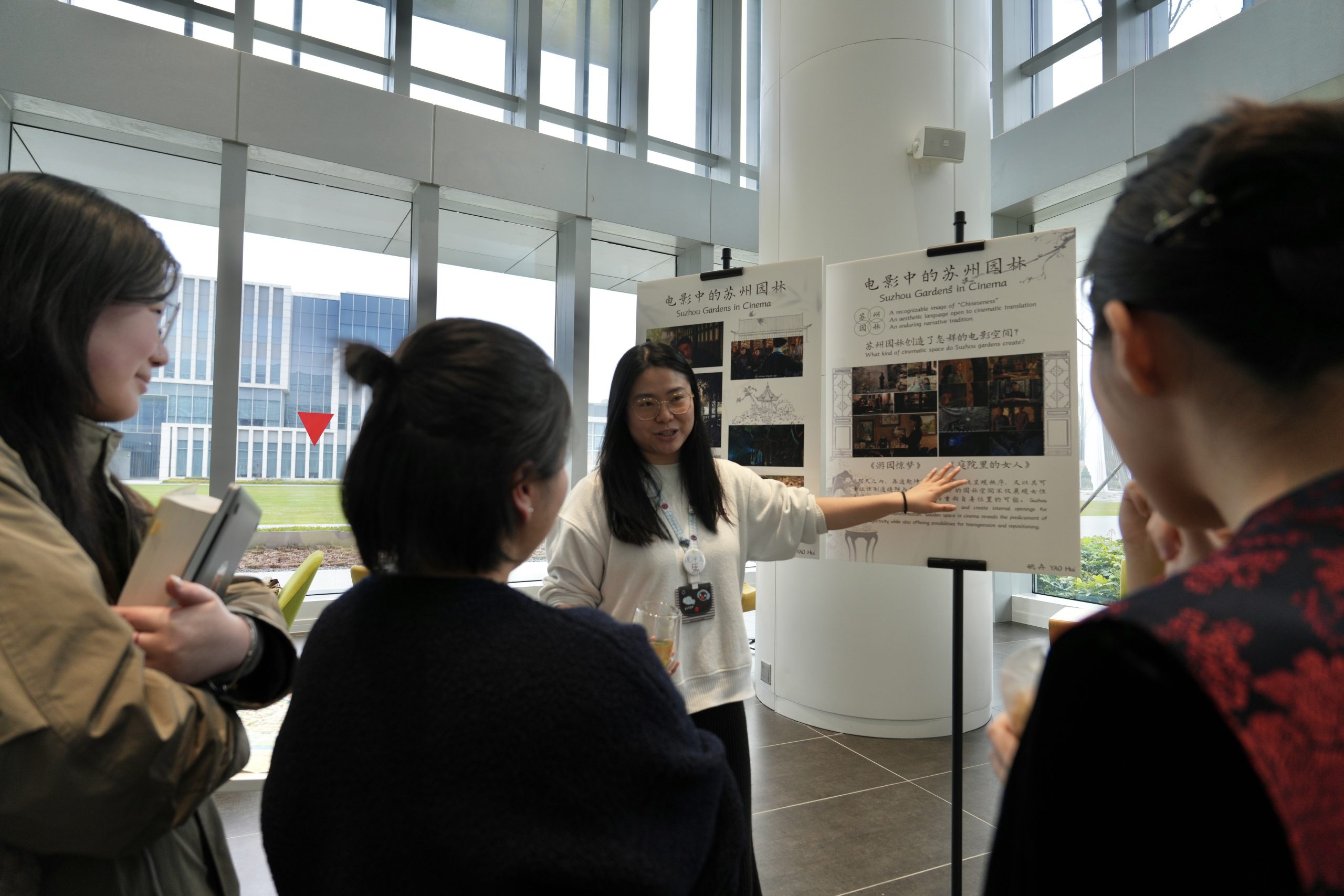
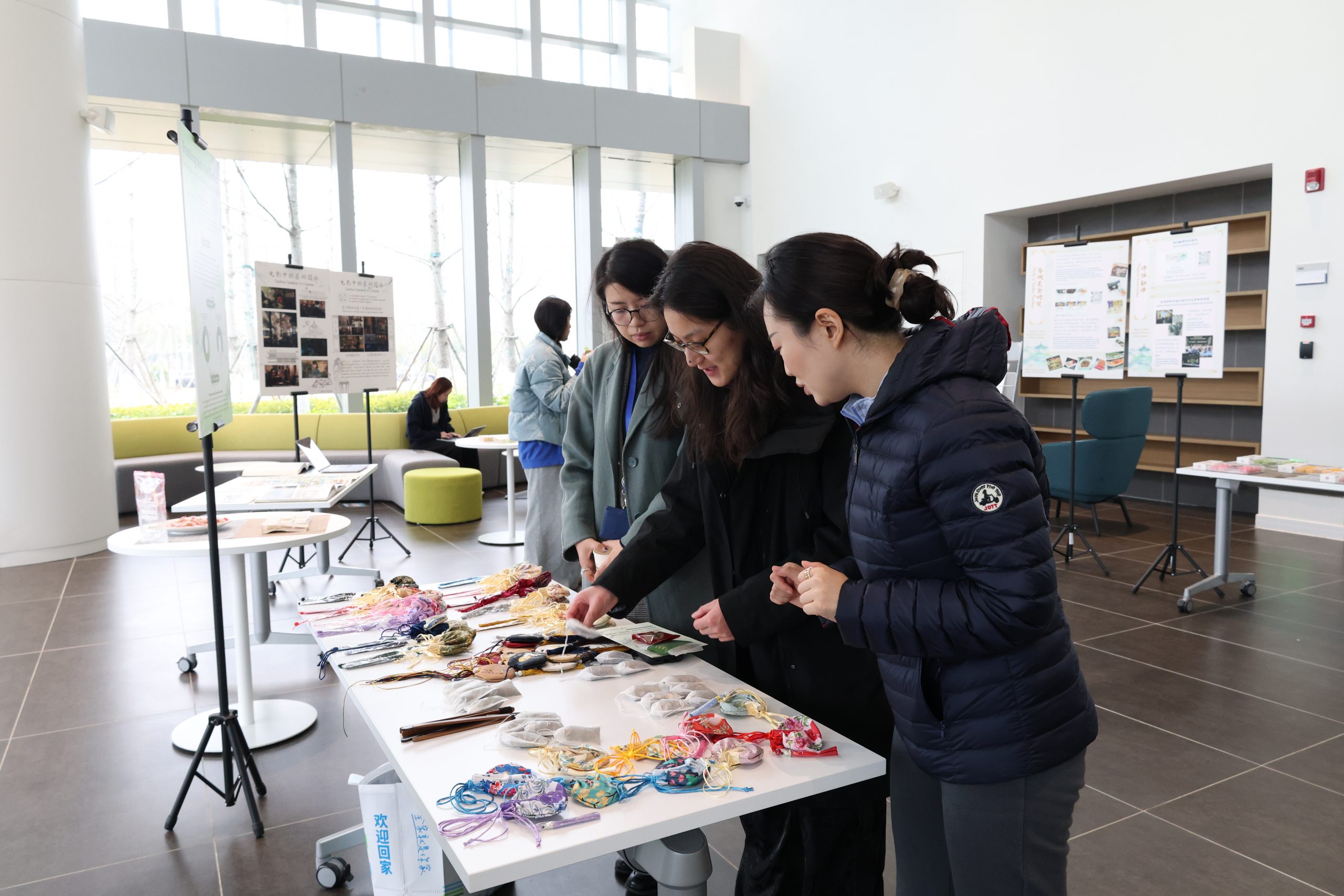
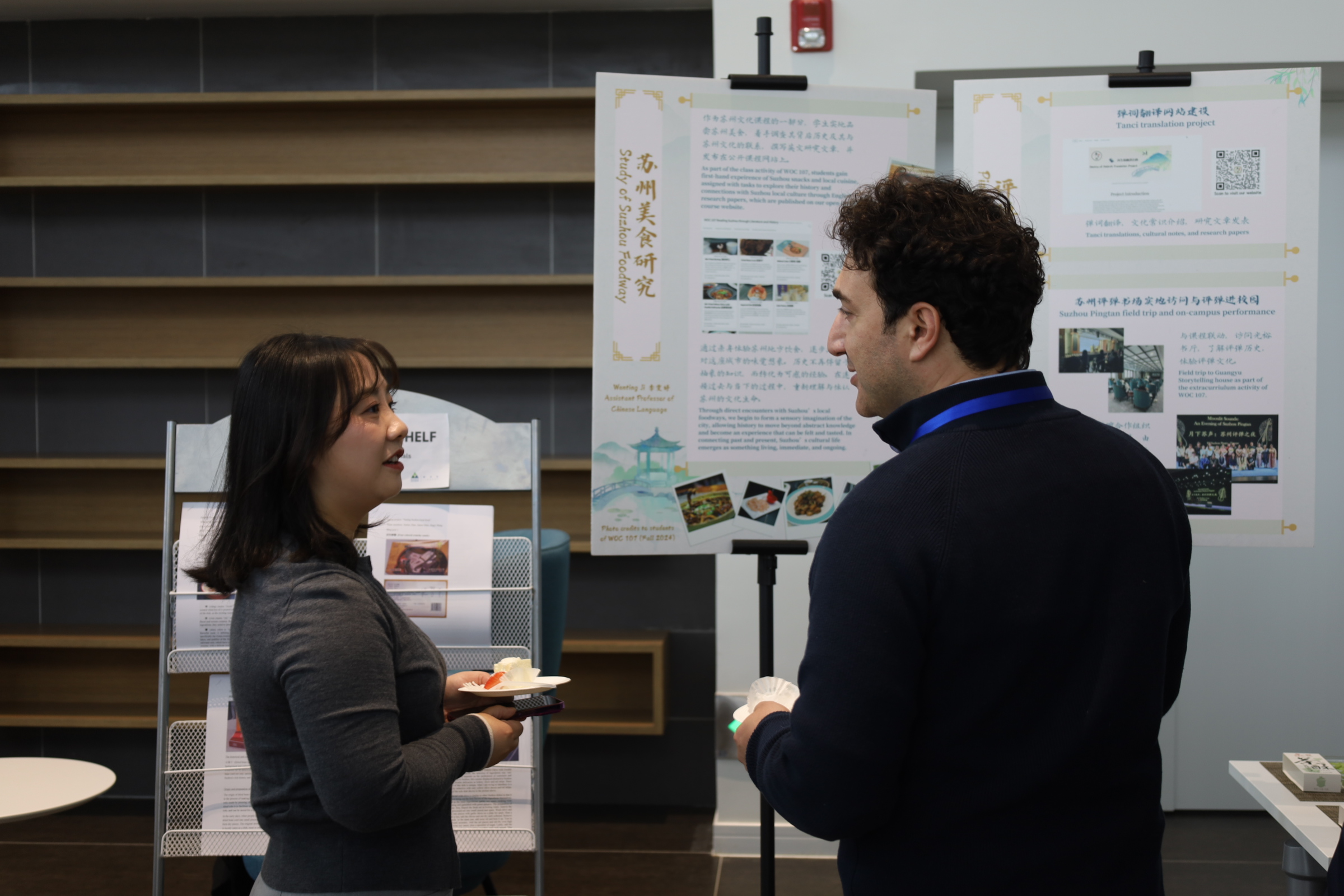
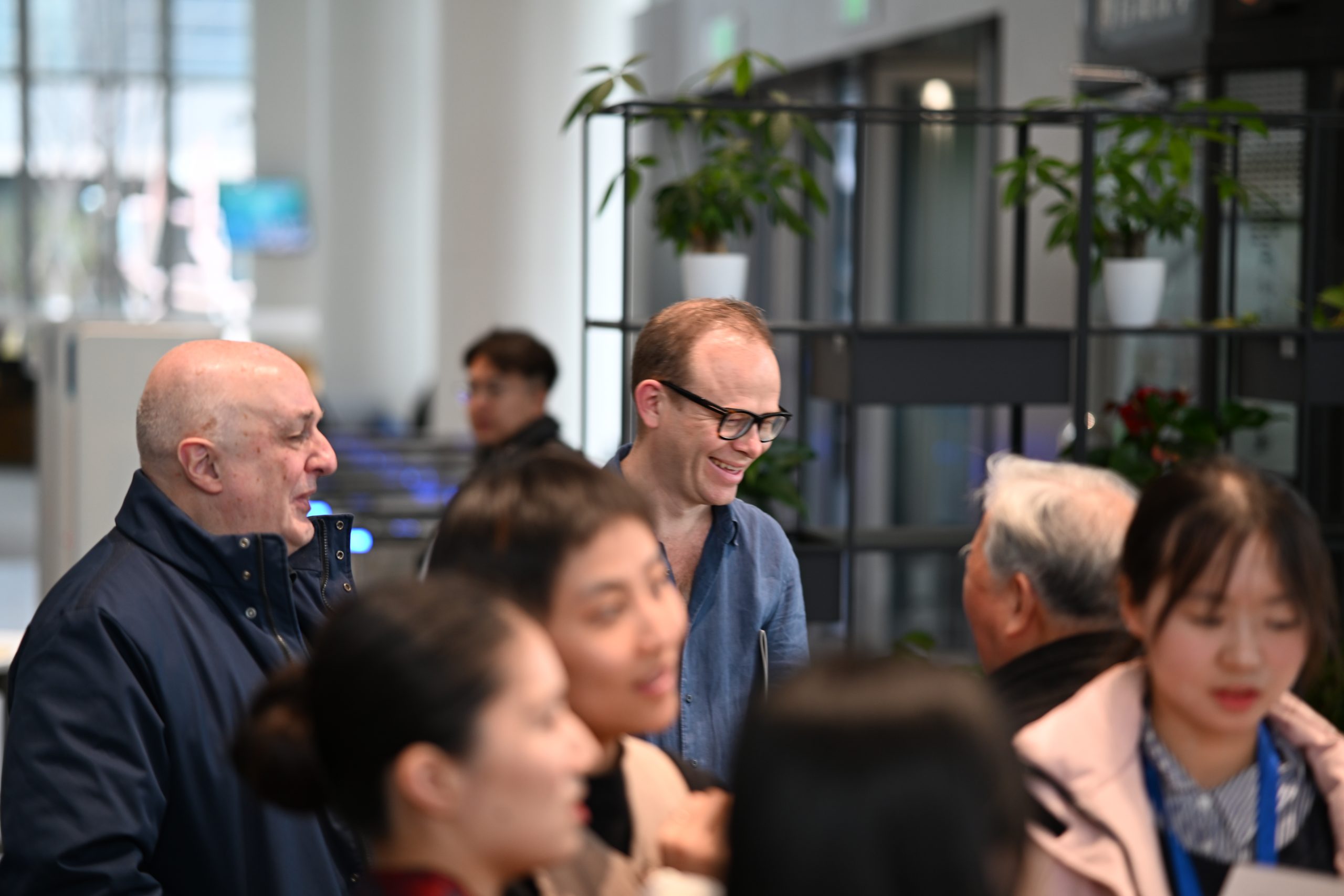
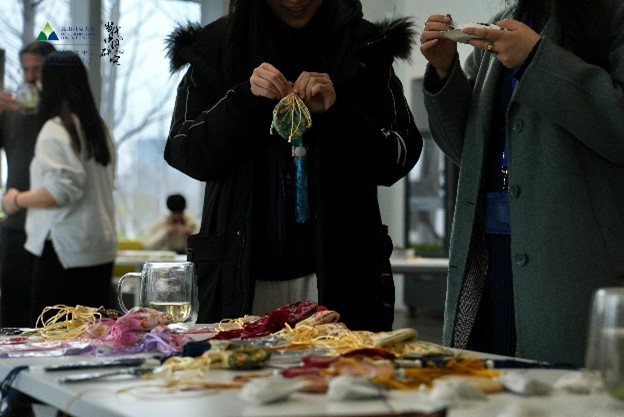
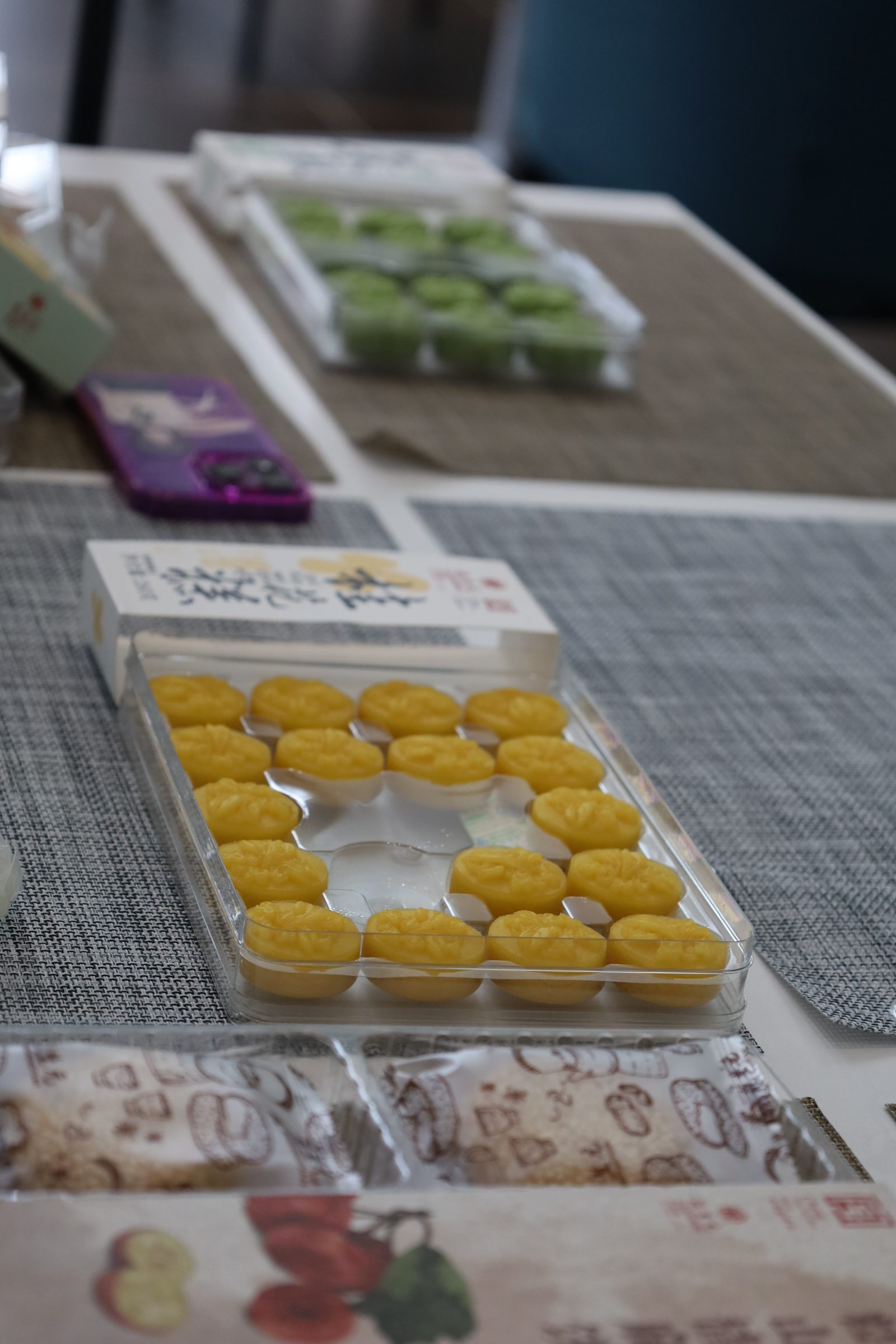
The atmosphere throughout the afternoon was warm and genuinely convivial. Attendees came from across the DKU community and beyond. Undergraduate and graduate students mingled with DKU faculty members, as well as a number of Kunqu Festival guests. Kunqu professors from other universities along with local experts and enthusiasts all brought deep personal connections to the living traditions of Wu cultural heritage on display. Conversations at each booth were lively and unhurried, with presenters sharing their research in both English and Chinese and answering questions that ranged from theoretical methodologies to personal experience. Many attendees paused to taste or discuss the Suzhou food and tea prepared by the presenters. Informal photo-taking became a thread running through the afternoon, with participants and presenters happily posing together, a fitting gesture at an event so concerned with how culture is felt, shared, and remembered.
The Wu Cultural Heritage at the Margins: Voices, Visuals, and the Visceral project will continue with a series of follow-up events. A companion event, Chinese Teatime: Exploring Wu Culture (中文茶憩:吴文化专场), will be held on April 8 from 7:00 to 8:00 pm at the Writing and Language Studio (AB2101).