By Violet Nguyen, Class of 2028
In an age defined by climate anxiety and ecological fragmentation, where do we look for new, or perhaps very old, ways of belonging to the world? As the global community struggles with climate change and biodiversity loss, the quest for new frameworks to understand our relationship with the planet has never been more urgent.
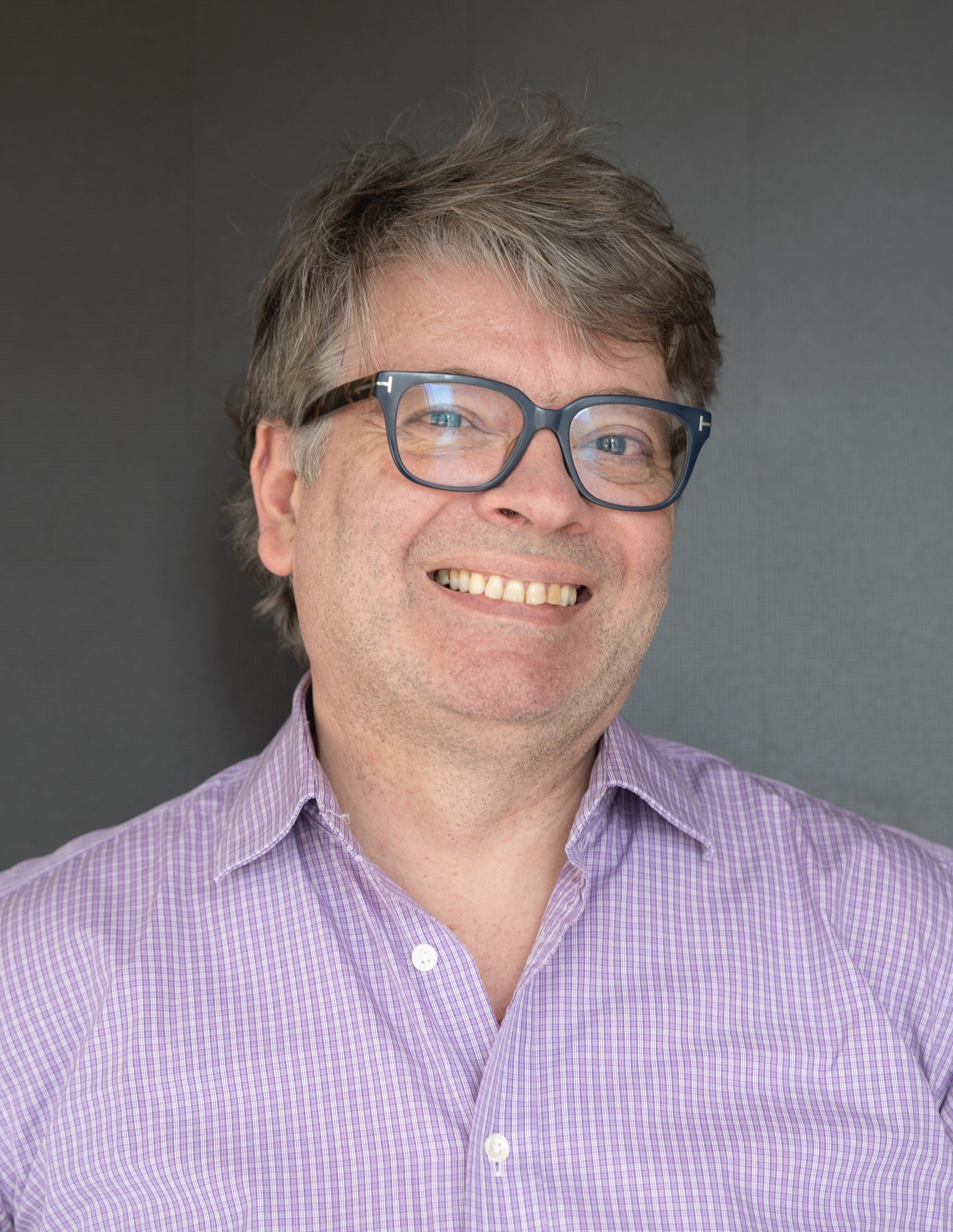
In Session 4, Professor James Miller offers a timely course, GCHINA308 / PHIL308 / RELIG302 Chinese Thought on the Environment. The course explores how classical Chinese philosophy, religion, and cultural traditions have conceptualized nature and the relationship between human beings and the broader environment. We spoke with Prof. Miller to discuss why these ancient ideas are relevant, how they reframe contemporary crises, and why this course is an essential offering for students across disciplines, from environmental science and public policy to philosophy and the arts.
What inspired you to design this specific course?
This course grew directly out of my lifelong research interests. Over the years, what became increasingly clear to me is that ecological problems are not only issues of science, technology, or policy. They are, fundamentally, problems of thinking, about how we understand ourselves as human beings within the natural world.
In much of Western thought, we have historically developed a binary between humans and nature, a perspective I believe is at the root of many environmental crises we face today. If we want real change, we must rethink that basic assumption. Chinese philosophy offers a rich and sophisticated set of concepts that can help us do exactly that. My research focuses on uncovering these key values in Chinese thought and articulating them in ways that speak directly to contemporary challenges such as biodiversity loss, global warming, and environmental degradation.
Do you think Chinese philosophical or religious traditions offer insights that are missing from dominant global environmental debates today?
Absolutely! The dominant Western perspective often sees nature as an object, a resource to be extracted for human benefit. I believe that the way we treat the Earth is a direct reflection of how we understand our place in the universe.
Ancient Chinese thought, on the other hand, sees all forms of life embedded in a fluid network of relationships and vital energy (Qi). Human beings are not separate from the world around them; we are deeply engaged with it and shaped by it. The concept of Qi, the vital energy that constitutes and connects all things, exemplifies this. In this course, we will also look at many other concepts, such as tian ren he yi, or the “unity of nature and humanity.” It’s a holistic worldview where we are integrated into natural cycles, not standing apart from them.
What kinds of assignments or discussions can students expect in this course?
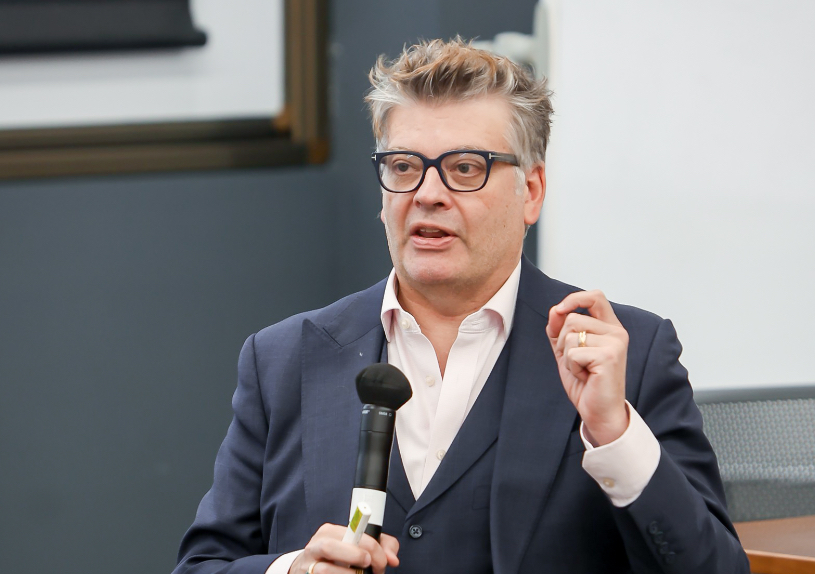
In this course, we explore both classical concepts and their contemporary application. In the first meeting each week we will discuss a key Chinese concept in its original context, reading texts in classical Chinese or in translation, and trying to understand how Chinese thought has conceputalized the place of human beings in the world. In the second meeting we will connect these concepts to contemporary thought in environmental philosophy, anthropology, etc. Through readings, discussions, and reflective assignments, students learn to think critically about how ancient worldviews can inform modern ethical and ecological debates.
How can this course serve as a foundation for students’ future endeavors, whether in academic research, environmental policy, or other fields?
Although the course title refers to “Chinese Thought,” the ideas we explore are universal in scope and highly relevant to the challenges of the 21st century. I strongly encourage students from all disciplines to take part. Each student brings a unique lens to the material. A biology student might see Daoist ideas of Qi as a powerful metaphor for ecosystems and energy flows, while a political science student might gain new perspectives on China’s contemporary environmental policies.
Additionally, climate change is one of the defining issues of our time, and China is currently the world’s largest emitter of greenhouse gases. Therefore, how China understands the environment will have profound consequences for the entire planet. China has developed its own concept of “Ecological Civilization” (shengtai wenming) as not merely a technical or policy solution. It is a call for a change in how we organize economic production and how we live in the world. This vision is deeply rooted in ancient Chinese ideas about harmony between humans and nature, which are frequently cited by President Xi Jinping in his speeches about ecological issues. It is vital for scholars and students to understand the deep philosophical foundations for Chinese environmental thinking, because these have the power to change the world over the next century.