

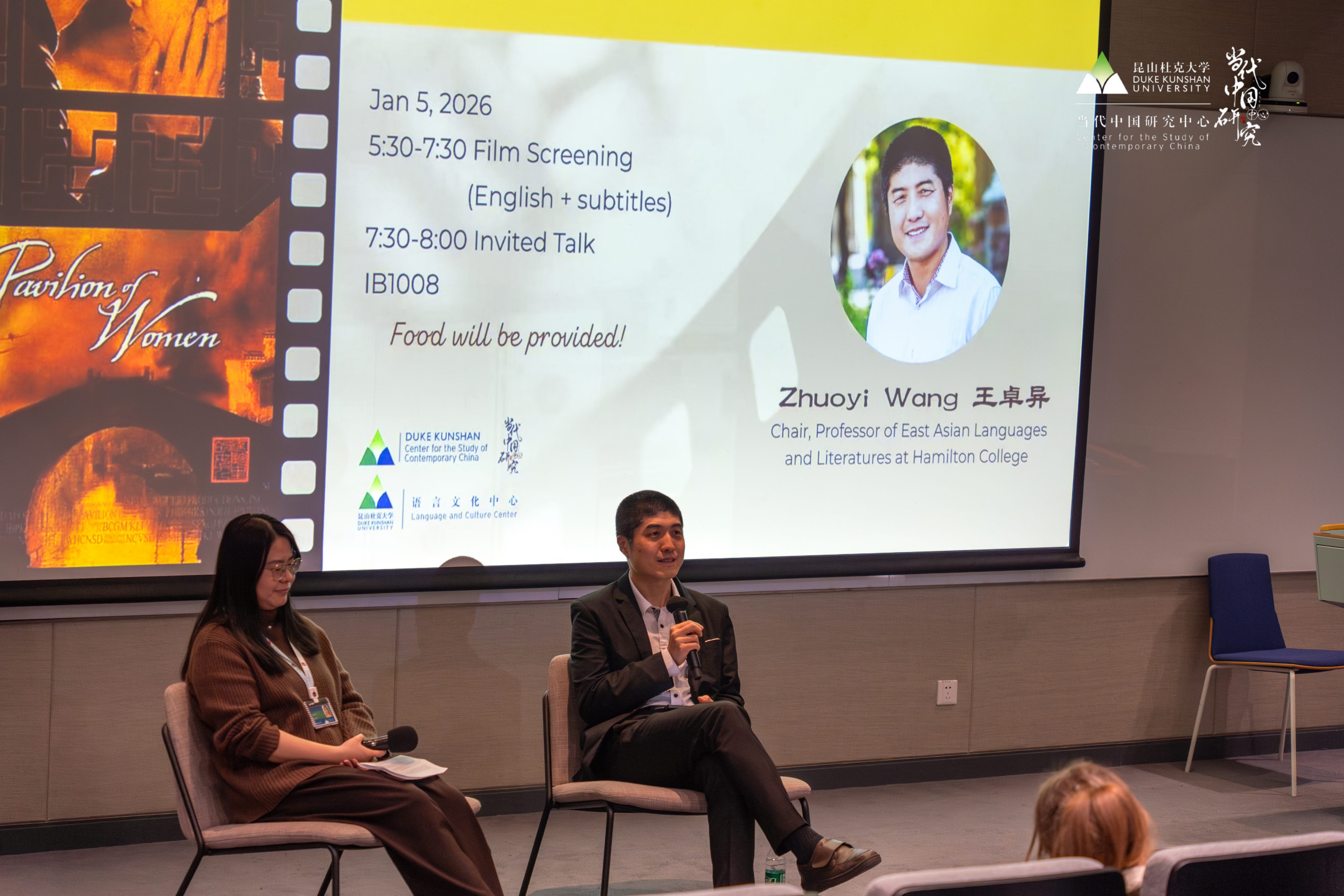
On Monday, January 5, 2026, the Center for the Study of Contemporary China in collaboration with the Language and Culture Center (LCC), presented a screening of the 2001 film Pavilion of Women. The event concluded with an engaging discussion featuring Professor Zhuoyi Wang, Chair of the Department of East Asian Languages and Literatures at Hamilton College and a prominent scholar of Chinese cinema. The event was hosted by Professor Meng Wang with the discussion facilitated by Professor Hui Yao, who are lecturers of Chinese language at LCC and co-organizers of the event.
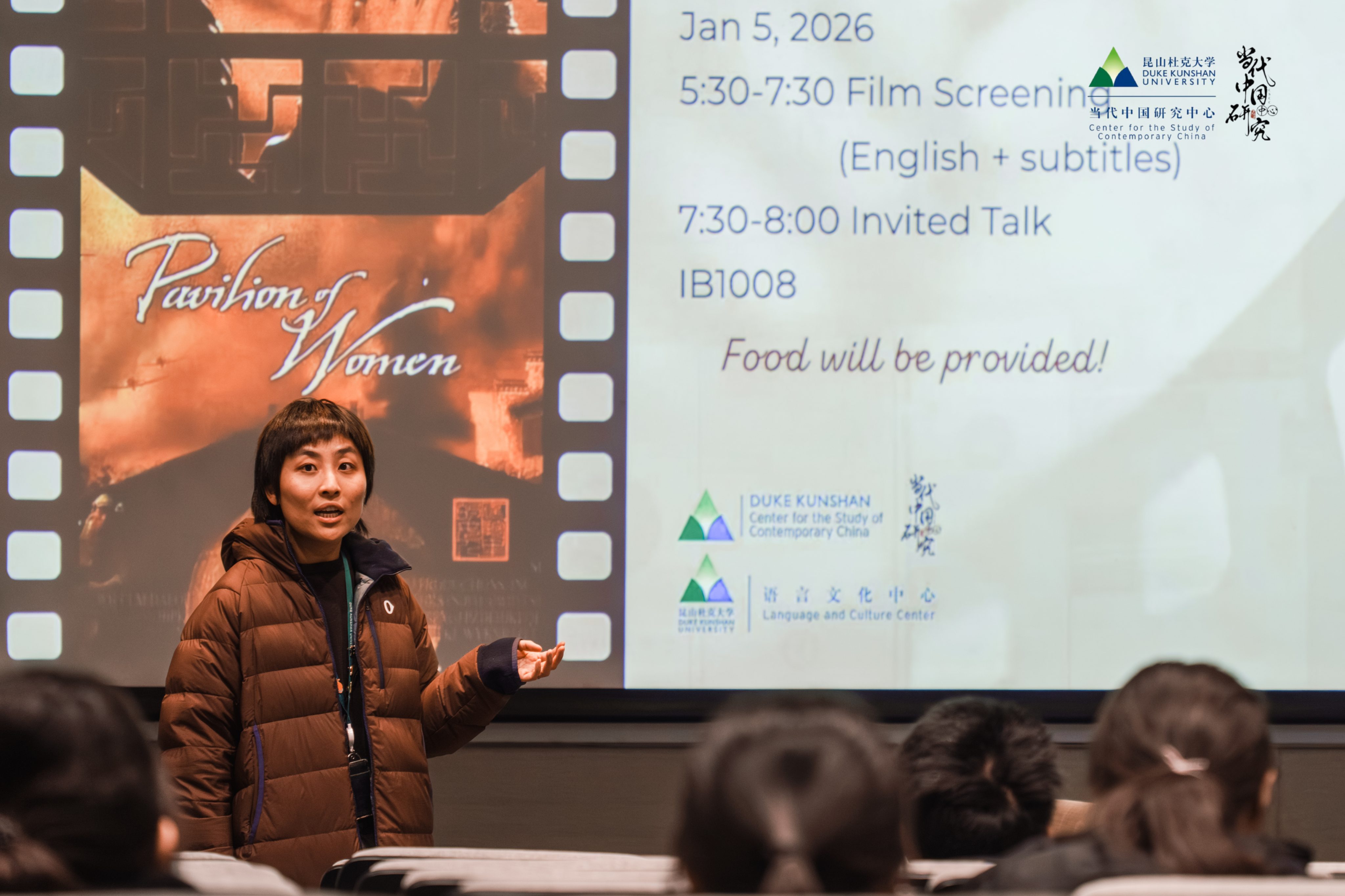
Adapted from Pearl S. Buck’s 1946 novel, Pavilion of Women is set in 1938 China against the backdrop of impending Japanese invasion. The story centers on Madame Wu Ailian (played by Luo Yan), a matriarch of a wealthy landed family. On her 40th birthday, she decides to “retire” from her marital duties and arranges for her husband to take a concubine. The act frees her to pursue intellectual growth and personal liberation. She then hires an idealistic and progressive Western missionary teacher, Father Andre (played by Willem Dafoe), to tutor her youngest son. The arrival of Father Andre, along with the turbulent political background, challenges Madame Wu’s worldview and ignites a complex relationship that explores themes of gender roles, cultural clash, tradition versus modernity, and personal awakening.
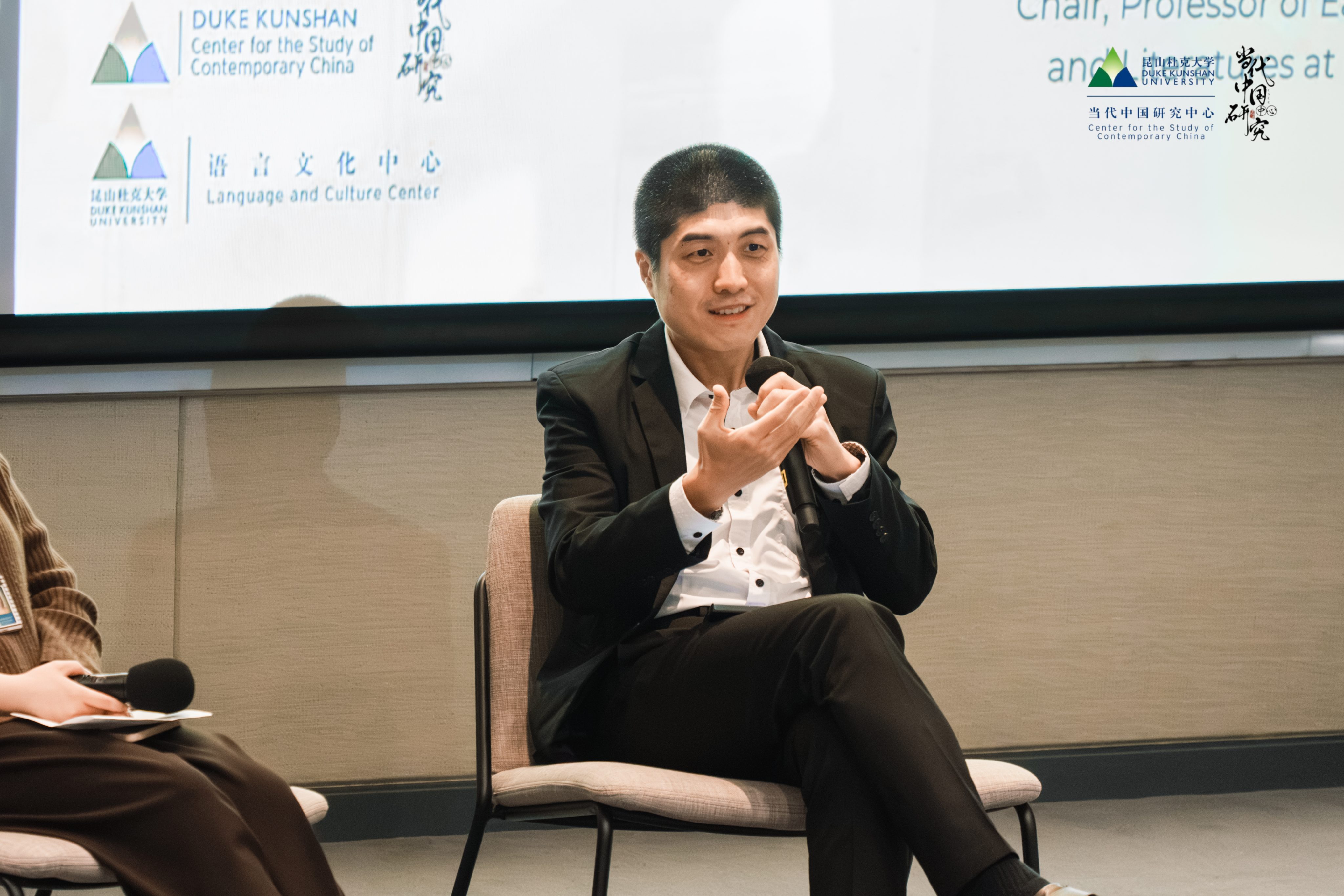
The post-screening discussion, moderated with contributions from faculty and students, explored the film’s complex layers. Professor Wang highlighted its apparent colonial rescue narrative, where a Western male figure appears to “save” local women from local men, while emphasizing the crucial role of Luo Yan. As lead actress and producer, Luo brought her personal history of surviving the Cultural Revolution, achieving success in 1980s Chinese cinema, and rebuilding her career in the United States to the project. Professor Wang argued that the film reflects Luo’s generation’s post-traumatic pessimism toward traditional Chinese culture and a sincere, if romanticized, hope in Western enlightenment as a path to renewal.
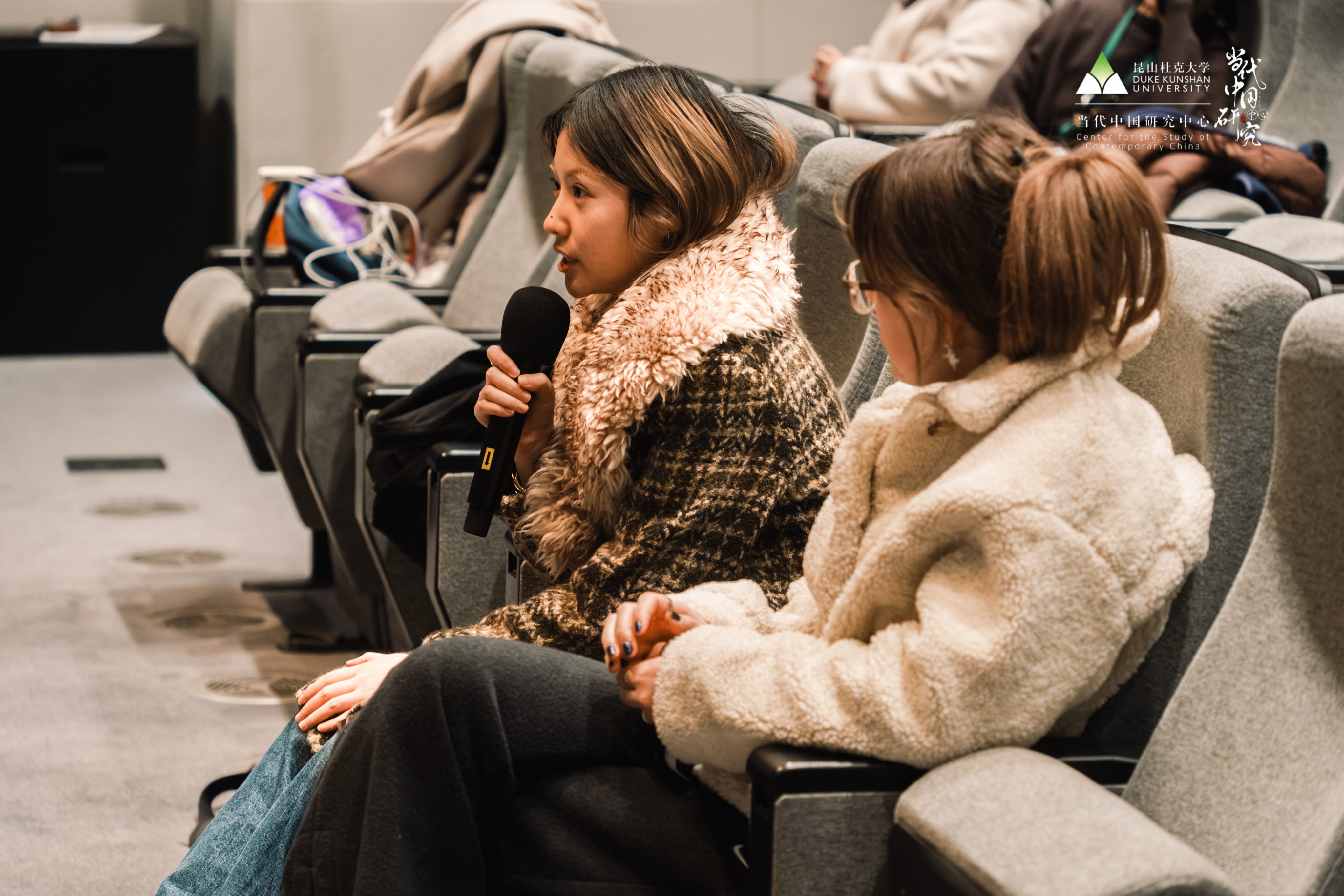
Other points included the film’s use of English dialogue for global accessibility which create a sense of alienation, and the symbolic role of Suzhou gardens and the Jiangnan water town setting as both visual spectacle and spaces of female confinement. Professor Yao highlighted comparison between the film and Buck’s novel, such as the intensified romance as well as the differing portrayals of female subjectivity and self-reflection. Participants also discussed the film’s ending, which adds a concubine’s escape to join the Communist army, the film’s pro-Christian undertones relative to the novel, and its depiction of Chinese women’s agency.
Report: Violet Nguyen
Editing: Hui Yao
Photography: Haozhe Lou