
As part of the 2025 Annual President’s Forum of the Alliance of Asian Liberal Arts Universities, the Digital Technology and Society Cluster at the Center for the Study of Contemporary China organised a panel titled “SocioTech Futures: Interdisciplinary Liberal Arts Cultivating Student Leadership in Advancing Technology for Society.” The panel members, Dongping Liu from Amazon Web Services and DKU Professors Paula Ganga, Fan Liang, and Luyao Zhang, explored how interdisciplinary liberal arts education—through collaboration between academia and industry—can cultivate student leaders who integrate technology with ethics, community engagement, and real-world social impact.
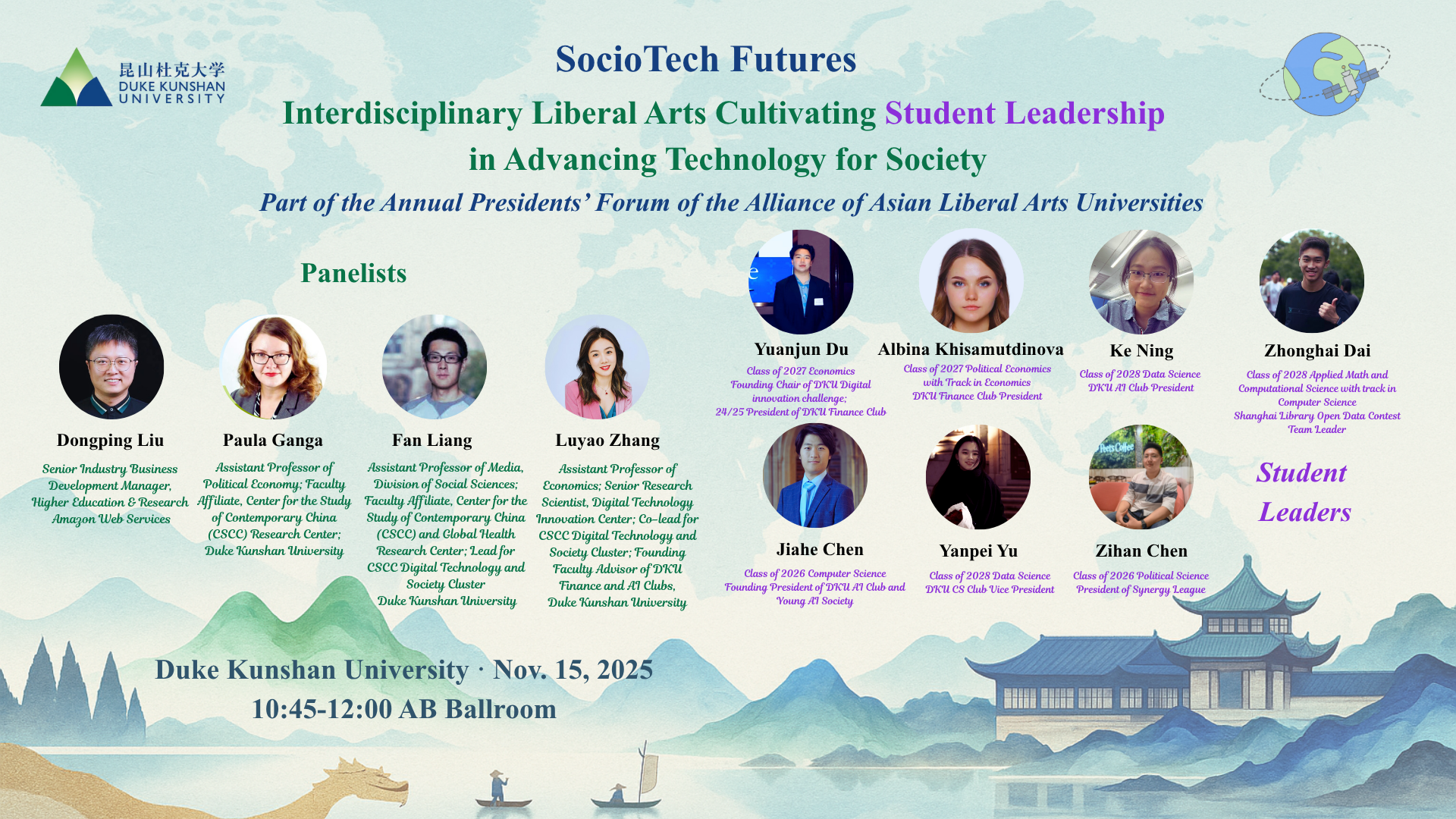
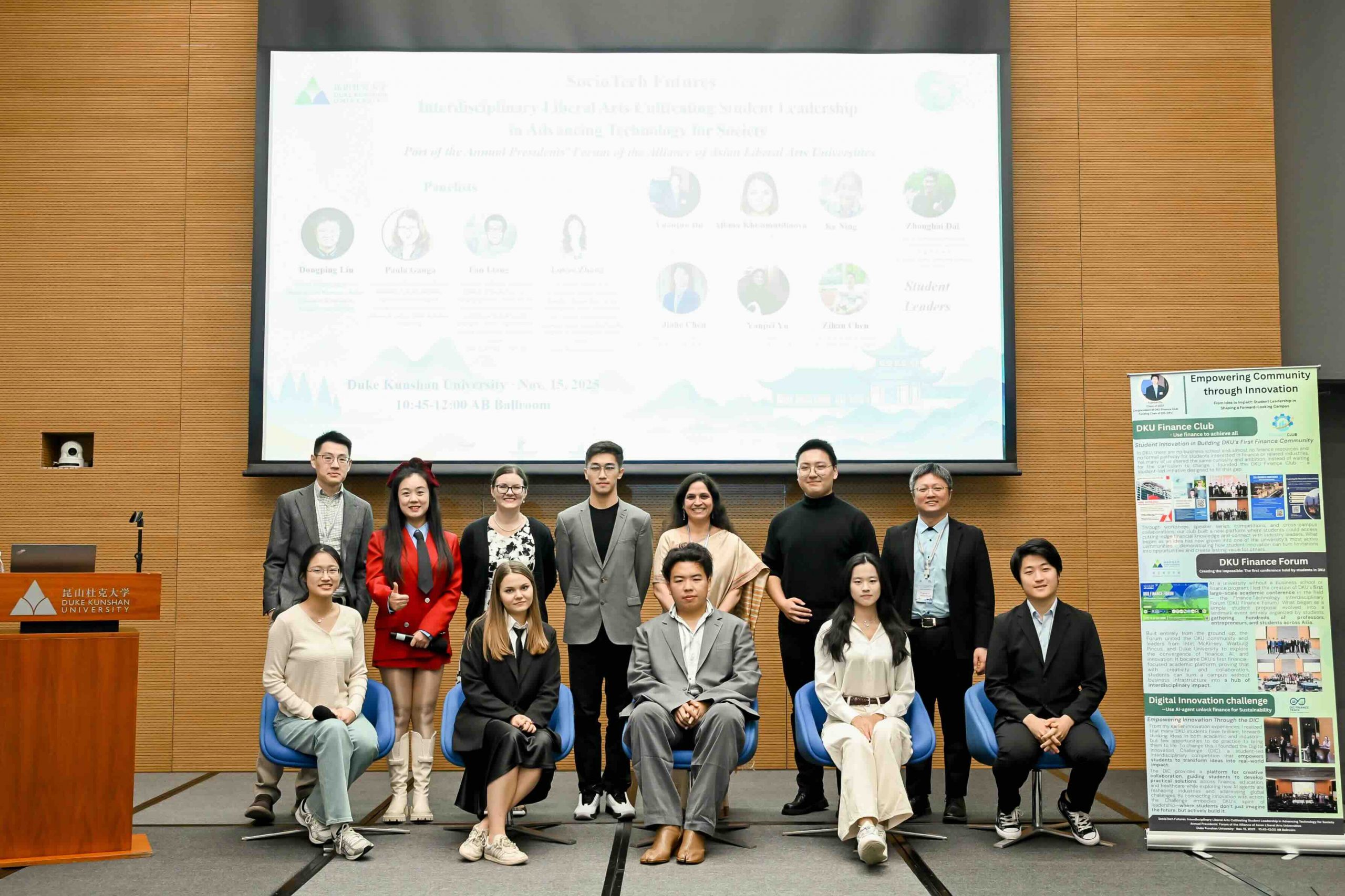
In her opening remarks, Prof. Luyao Zhang framed the panel through a dialogue between Eastern and Western philosophical traditions, invoking Confucius’s ideal of the junzi (君子)—a leader who integrates ethical judgment, social responsibility, and practical action—and Plato’s vision of philosopher-leaders who draw on interdisciplinary knowledge to serve the public good. She emphasized that interdisciplinary liberal arts education carries these shared ideals into today’s technology-driven context by preparing students to connect technical expertise with ethical reflection and social impact. Prof. Zhang then invited students, faculty, and industry representatives to reflect on how such integrative leadership can be cultivated and sustained. The four panelists were joined by seven DKU student leaders—Yuanjun Du and Albina Khisamutdinova from the DKU Finance Club; Ke Ning and Jiahe Che from the DKU AI Club; Yanpei Yu from the DKU CS Club; Zihan Chen from the DKU Synergy League; and Zhonghai Dai, team leader of the Shanghai Library Open Data Contest—who shared their projects, leadership journeys, and, notably, how their initiatives were motivated by identifying and addressing unmet needs within diverse communities.
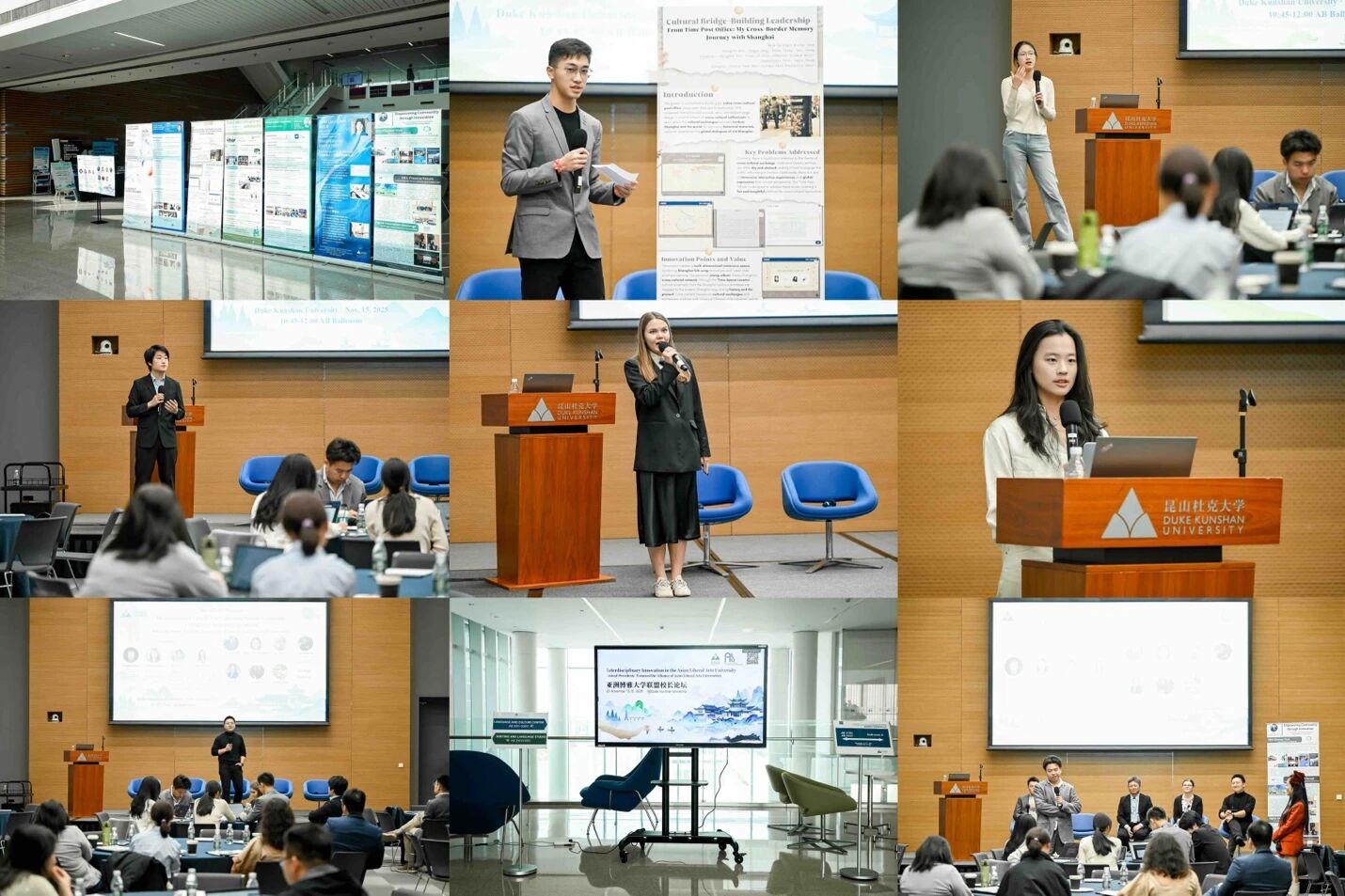
One of the first issues to be discussed was the growing importance of tech-based skills. Dr.Dongping Liu shared that the private sector views young professionals who lack trending technology skills as less competitive job applicants. Ke Ning and the other members of the AI Club had already been aware of the phenomenon, having organised multiple workshops that connect students with the latest innovations and employers. Likewise, Yanpei Yu stressed the importance of technology skills across all majors, not only for Data Science and Computer Science majors.
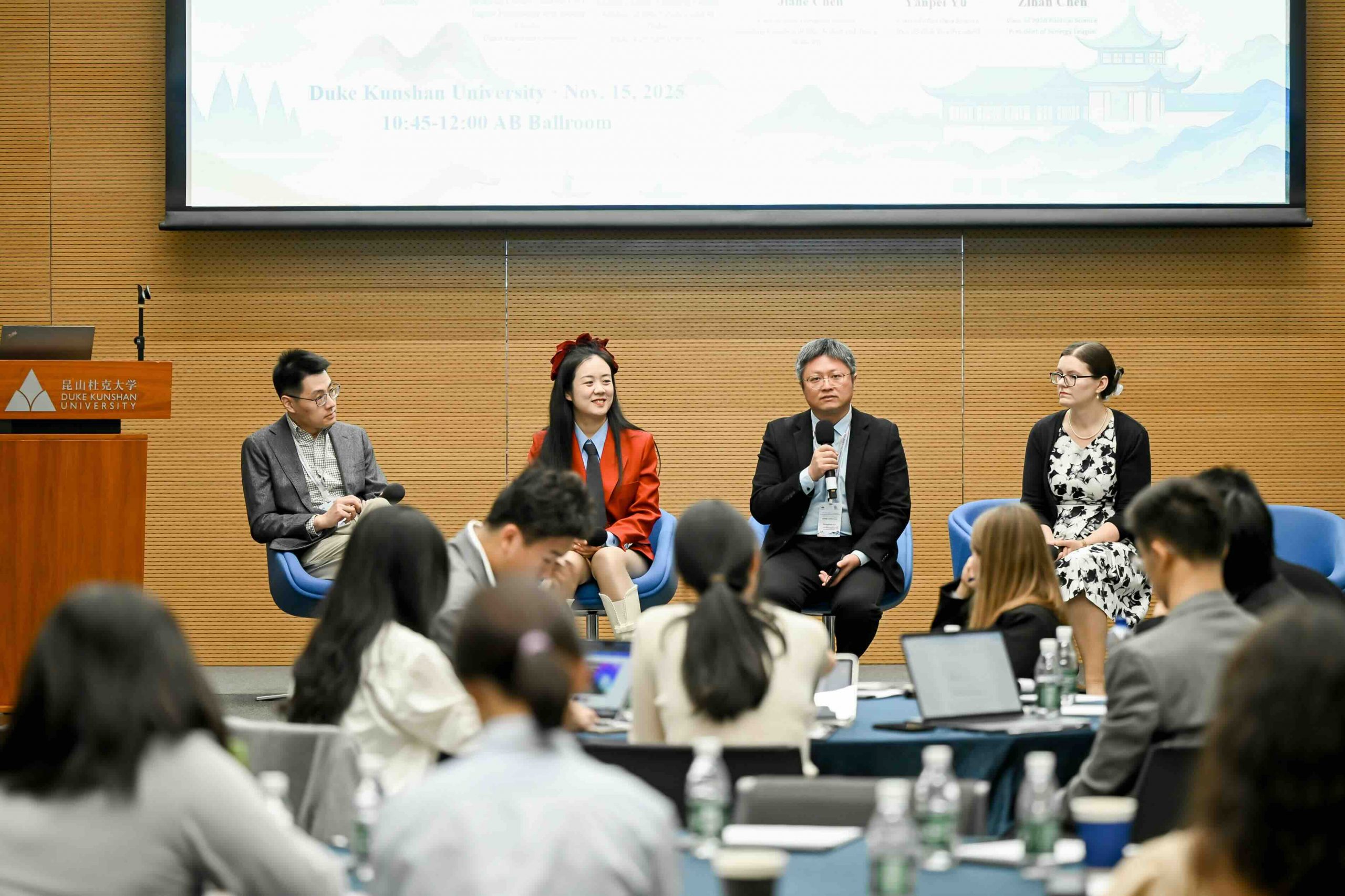
In examining the ethical dimensions of cultivating student leadership in emerging technologies, Prof. Fan Liang highlighted the less visible yet consequential risks associated with artificial intelligence, particularly its capacity to reproduce and amplify social stereotypes. Prof. Luyao Zhang cautioned against the uncritical acceptance of technologies labeled as “ethical,” especially when such claims originate from technology creators who may face inherent conflicts of interest. She argued that ethical leadership in technology must be grounded in evidence-based evaluation, including rigorous assessment of data security and privacy safeguards, transparency from developers, and the ability of future leaders to exercise independent and critical judgment. In this context, interdisciplinarity is essential to leadership development: integrating perspectives from the social sciences, arts, and humanities alongside technical training equips students to identify ethical risks more effectively and to guide technological innovation toward socially responsible outcomes. Complementing these perspectives, Prof. Ganga emphasized that preparing student leaders to address global challenges such as AI ethics requires inclusive and participatory dialogue, ensuring representation across diverse age groups, nationalities, and professional backgrounds.
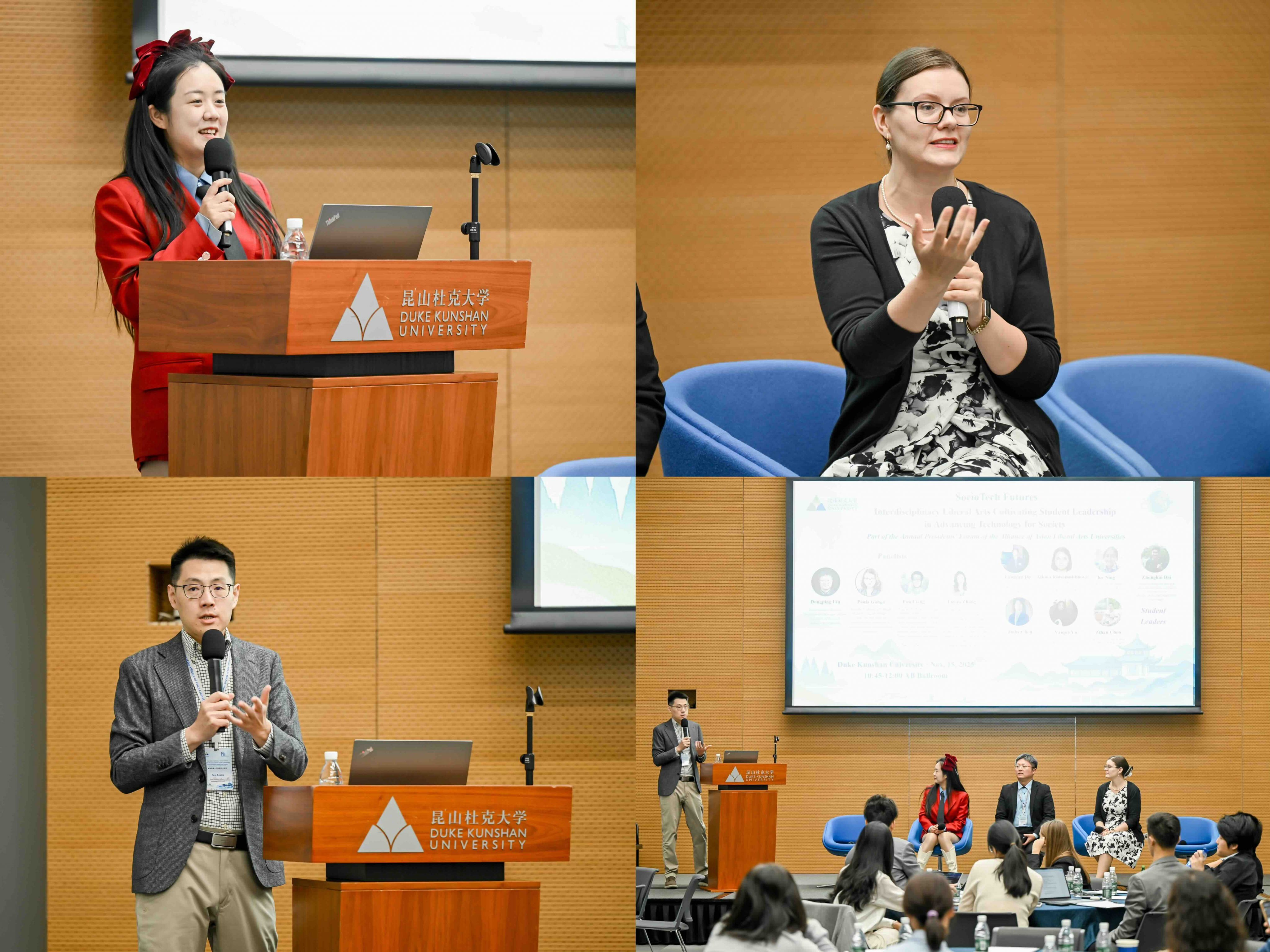
Moreover, Prof. Ganga observed that universities are home to many highly motivated students who aspire to take on leadership roles but often lack clear pathways for initial engagement. She emphasized the critical role of faculty in bridging this gap by providing mentorship, institutional support, and opportunities for student-led initiatives. Both Prof. Ganga and Prof. Fan Liang shared examples of students they had previously mentored who achieved significant milestones through intellectual curiosity, perseverance, and the university’s support for innovative projects at DKU. These reflections resonated with the discussion led by Finance Club representatives Albina Khisamutdinova, Yuanjun Du, and Zihan Chen, who highlighted how the club fosters interdisciplinary leadership through events collaboratively organized with diverse campus offices and academic departments, under the guidance of its founding faculty advisor, Prof. Luyao Zhang.
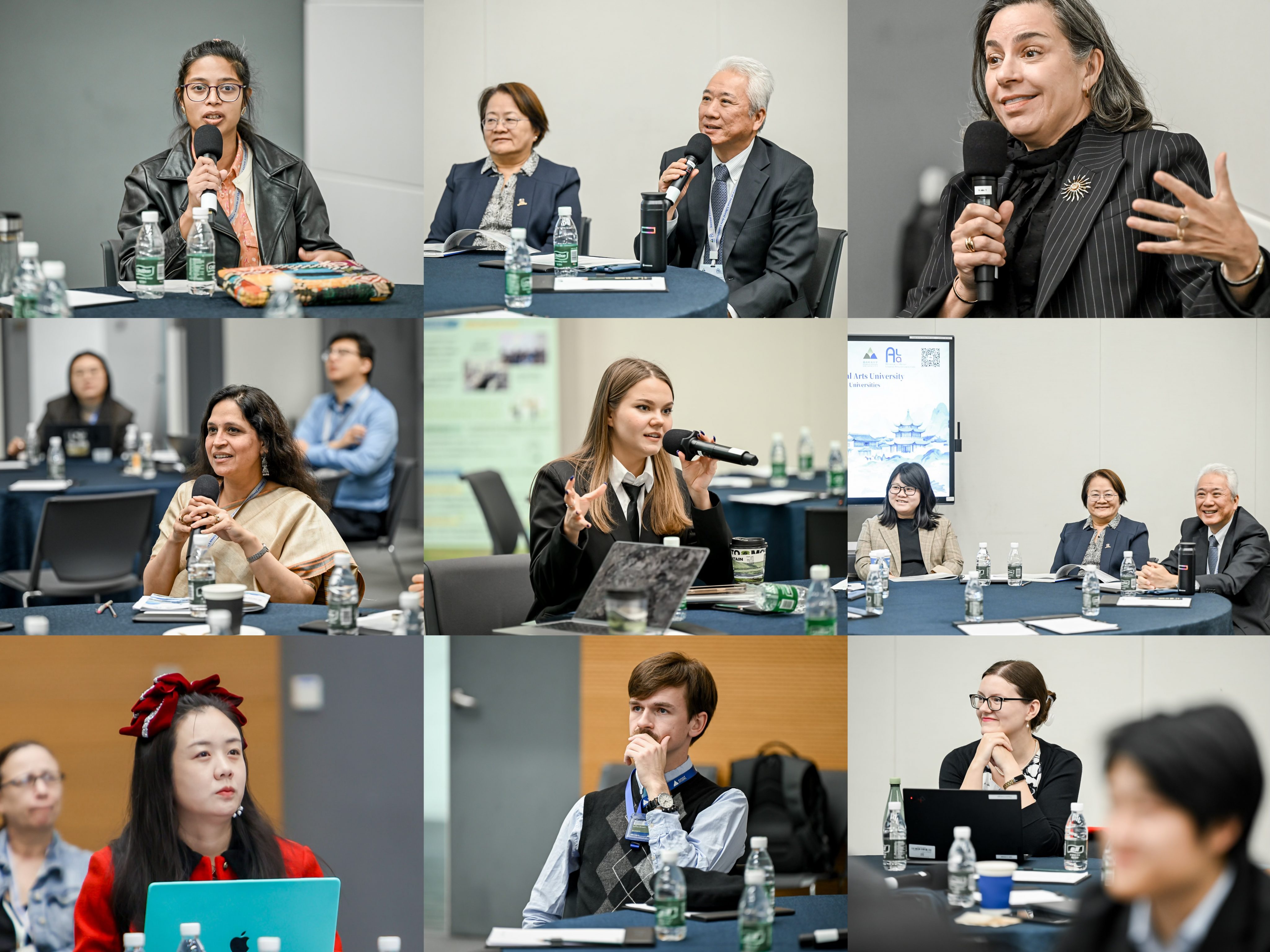
Questions from the audience pushed student leaders to continually challenge themselves and to take initiative in shaping technologies that serve the broader human good. The discussion engaged with pressing issues such as the environmental costs of artificial intelligence, social responsibility, and the ethical burdens passed from older generations to younger ones. These exchanges underscored a core liberal arts commitment—shared across intellectual traditions—to ongoing inquiry, critical reflection, and responsible action. The panel, “SocioTech Futures: Interdisciplinary Liberal Arts Cultivating Student Leadership in Advancing Technology for Society,” exemplified Duke Kunshan University’s capacity to foster interdisciplinary dialogue that not only advances innovation but also encourages students to lead with purpose and to continuously challenges the status quo and advance society. The strong presence of motivated, socially conscious students reflected the university’s success in cultivating leaders who are prepared to question, adapt, and act in the face of evolving global challenges.
Draft by: Eric Duma
Advised by: Prof. Fan Liang and Prof. Luyao Zhang
Supported by: Shuqian Xu